

Biblical Truth About Sacrifice

SHARE
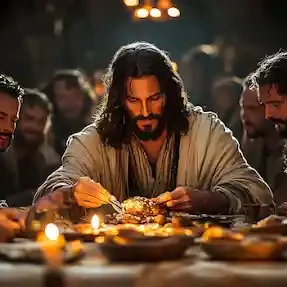
The concept of offering something valuable to God runs deep, revealing both His expectations and His heart toward His people. From the earliest pages of the Bible, we see that God desires more than mere ritual; He seeks hearts aligned with His will. In Genesis, we read about Abel, who brought a sacrifice from the firstborn of his flock, pleasing God (Genesis 4:4). Abel’s offering reflected not just obedience, but a reverence and trust in God’s provision. It teaches that the quality of our giving matters as much as the act itself.

Sacrifices in the Old Testament often involved tangible offerings, whether animals, grain, or other valuable items. However, these were never intended as ends in themselves. They were symbols pointing toward a greater reality—the need for atonement, dedication, and dependence on God. Leviticus 1:4 explains, “He shall lay his hand on the head of the burnt offering, and it shall be accepted for him to make atonement for him.” Here, the act of sacrifice serves as a bridge between humanity and God, emphasizing humility and recognition of His holiness.
Yet God’s desire extends beyond ritualistic obedience. In 1 Samuel 15:22, the prophet Samuel rebukes King Saul: “To obey is better than sacrifice, and to heed than the fat of rams.” This verse reminds believers that God values a willing, obedient heart above mere external acts. Sacrifice without sincerity is empty, but a humble spirit resonates with His purposes.
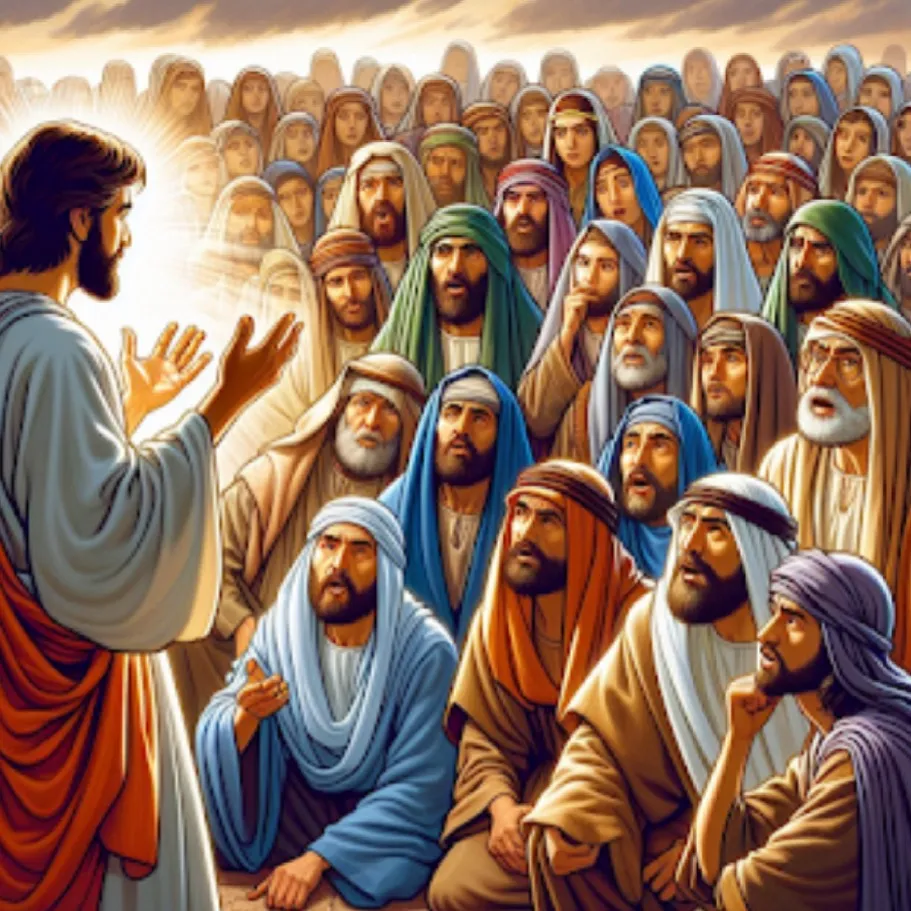
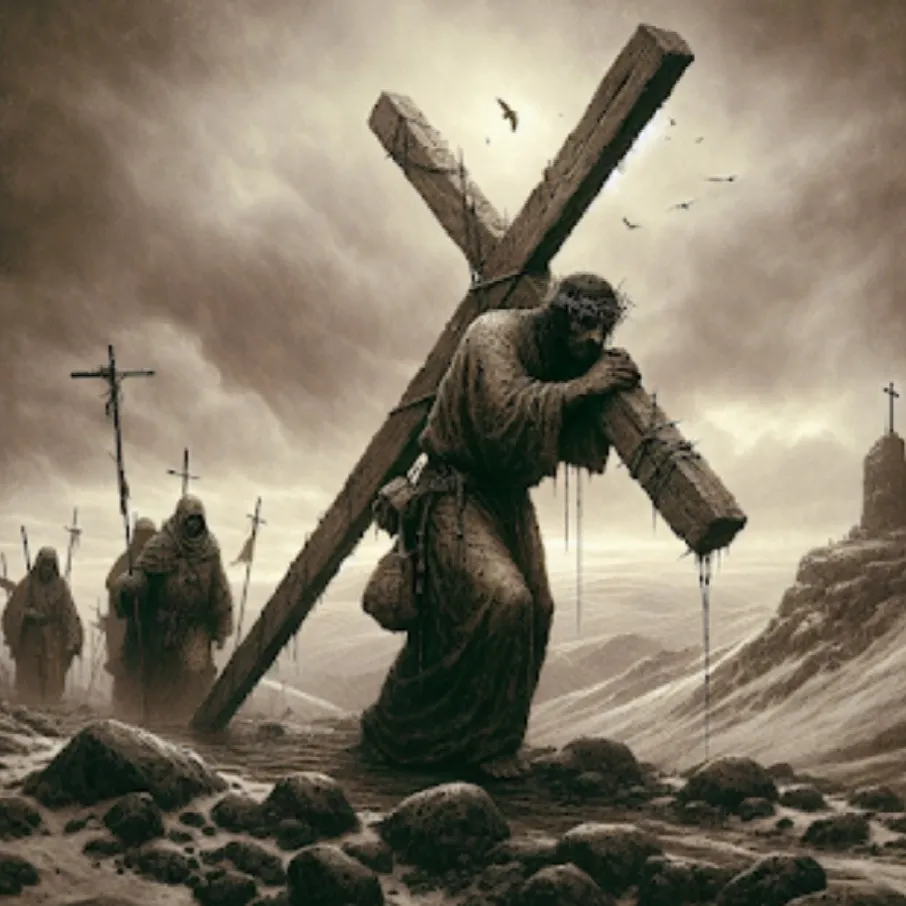
The New Testament expands the understanding of sacrifice by pointing to Jesus as the ultimate offering. Hebrews 10:12 declares, “But this man, after He had offered one sacrifice for sins forever, sat down on the right hand of God.” Jesus’ selfless death fulfilled the requirements of all previous sacrifices, offering forgiveness and reconciliation to all who believe.
As a result, Christians are called to live lives that reflect this same selflessness, dedicating themselves fully to God’s service. Romans 12:1 exhorts believers: “I beseech you therefore, brethren, by the mercies of God, that you present your bodies a living sacrifice, holy, acceptable unto God, which is your reasonable service.” Here, the act of living for God becomes the most profound form of sacrifice—one that involves daily choices, obedience, and surrender.
Sacrifice is not limited to giving animals, money, or material wealth. It includes time, talents, and even comfort. Proverbs 3:9 teaches, “Honor the Lord with thy substance, and with the firstfruits of all thine increase.” Giving God priority in our lives, whether through service, prayer, or stewardship, mirrors the devotion He desires.
The biblical principle of sacrifice centers on a heart transformed by God’s love. It is a tangible expression of faith, trust, and gratitude. From Abel’s first offering to Christ’s ultimate gift, Scripture shows that God delights in those who give with sincerity, humility, and devotion. Living sacrificially is not a burden but a pathway to deeper fellowship with Him, reflecting His grace in our everyday lives.
On the third day, Jesus rose from the dead. The angel proclaimed, “He is not here; he has risen, just as he said” (Matthew 28:6). He ascended into heaven. Scripture affirms, “This Jesus… will come back in the way you have seen him go into heaven” (Acts 1:11) again.
*All Photos from bibleart.com
RELATED ARTICLES

What Easter Sunday Teaches Us About New Beginnings

The Day God Was Silent: What Black Saturday Teaches Us About Waiting

Black Saturday Reflections: What Christians Should Do

Were Michael and Uriel Present at the Crucifixion?