

Christian Responses to Don Lemon and Anti‑ICE Church Intrusion
SHARE
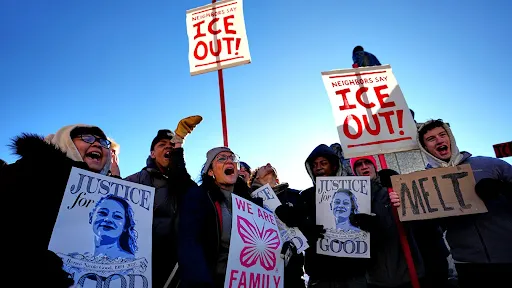
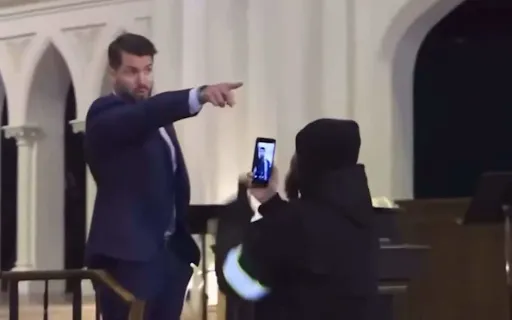
The recent incident involving anti-ICE activists storming a church service, followed by public criticism from media personality Don Lemon, has raised important questions for believers. How should Christians respond when worship is disrupted, emotions run high, and outsiders judge pastoral leadership?Scripture offers guidance that is both firm and gracious, helping the church remain faithful without surrendering order or truth.
First, Christians must affirm the sacred nature of corporate worship. A church gathering is not a political rally or a public forum, but a consecrated time set apart for prayer, preaching, and the sacraments. Jesus Himself demonstrated righteous boundaries when He cleansed the temple, declaring, “My house shall be called a house of prayer, but you have made it a den of robbers” (Matthew 21:13). Protecting worship is not unloving; it is obedience to God’s design for His people.
Second, pastors are called to shepherd their flocks, especially in moments of fear or confusion. When protesters entered the sanctuary shouting slogans, some congregants were visibly distressed. Scripture commands leaders to guard those entrusted to them: “Be shepherds of God’s flock that is under your care, watching over them” (1 Peter 5:2). Calmly restoring order and ensuring safety is not a failure of Christian witness but a fulfillment of pastoral responsibility.
At the same time, Christians are instructed to respond without hatred or vengeance. The Bible is clear that believers must display Christlike character even under provocation. “A gentle answer turns away wrath, but a harsh word stirs up anger” (Proverbs 15:1). This does not require affirming disruptive behavior, but it does mean refusing to respond with cruelty, mockery, or violence. Firmness and gentleness are not opposites in biblical faith.

Don Lemon argued that a pastor should welcome disruption as an expression of dissent. While Christians respect lawful protest in appropriate settings, Scripture distinguishes between public discourse and sacred space. The apostle Paul emphasized that worship should be orderly, writing, “For God is not a God of disorder but of peace” (1 Corinthians 14:33). Disruption that silences prayer and preaching contradicts this principle, regardless of the cause being promoted.
Believers should resist the temptation to seek validation from cultural commentators. Christian leaders are accountable first to God, not media figures. Paul reminds the church, “It is the Lord who judges me” (1 Corinthians 4:4). When criticized, Christians should examine their hearts humbly, correct any genuine wrongdoing, and stand firm where Scripture supports their actions.
Prayer, wisdom, and unity are essential as believers move forward together. “If any of you lacks wisdom, let him ask God” (James 1:5). By seeking God’s counsel first, the church can remain a faithful witness in a divided world while honoring truth, order, and biblical conviction always faithfully.
*Cover Photo/Thumbnail Photo From Abbie Parr
RELATED ARTICLES

Preparing Your Heart Spiritually for Holy Week
![KV - Stop Rabies [3]](https://buzzbeatmedia.com/wp-content/uploads/bb-plugin/cache/KV-Stop-Rabies-3-600x400-landscape-d44233b96c72b0a8d538386ff166f6f4-.webp "KV - Stop Rabies [3]")
Stop Rabies Empowers Communities Toward a Rabies-Free Philippines

The Lost Boys: A New Musical arrives on Broadway tomorrow!

Duolingo Partners with Global Pop Star NIKI to Inspire Language Learning Among Indonesian Gen Z

Tencent Cloud and CGTrader Forge Strategic Partnership to Drive Next Generation AI-Powered 3D Content Creation