

Inside the Jubilee Year
SHARE
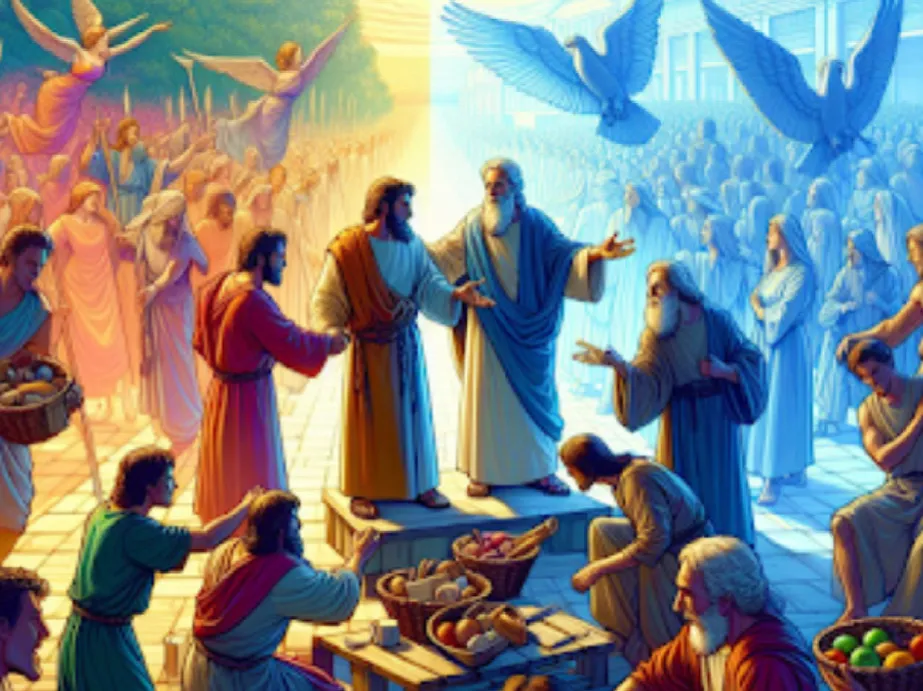
Every fifty years, a sacred rhythm unfolds in God’s plan—a time set apart for restoration, freedom, and renewal. In ancient Israel, this special year carried deep significance, rooted in obedience to God’s law and a reminder of His mercy. The Jubilee was not merely a celebration; it was a divine system designed to bring balance, justice, and hope to the community.
During this time, land that had been sold or lost due to debt was returned to its original owner. Families were given a fresh start, and the economic burdens that weighed heavily on the poor were lifted. Leviticus 25:10 captures this command clearly: “And you shall consecrate the fiftieth year, and proclaim liberty throughout all the land to all its inhabitants. It shall be a jubilee for you, when each of you shall return to his property and each of you shall return to his family.” This was a tangible expression of God’s care for His people and His desire that no one be permanently oppressed.
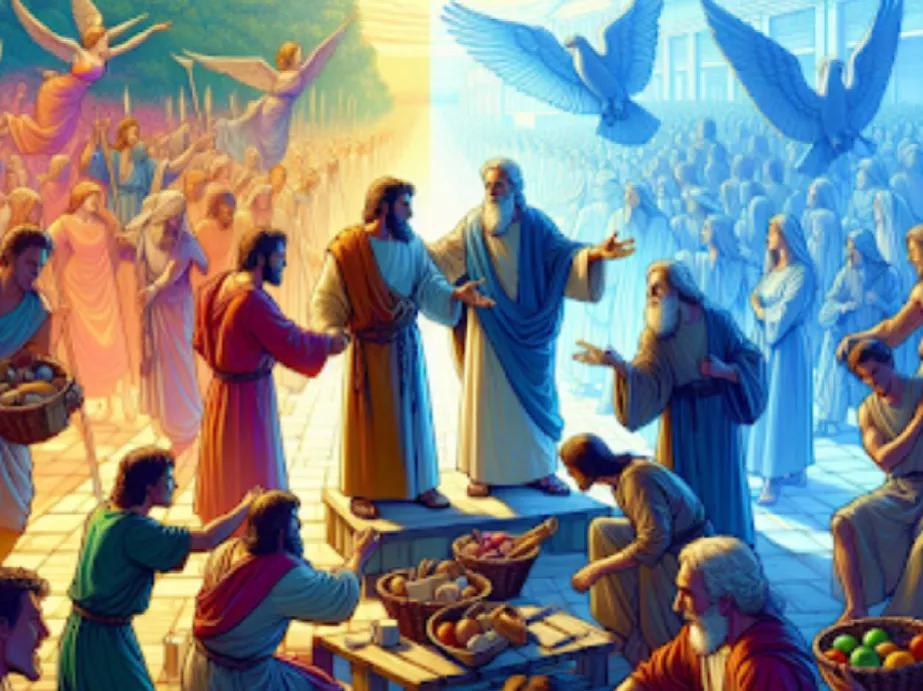
Slavery, another harsh reality of the ancient world, was also affected during this season. Hebrew servants, who had labored for years to repay debts, were released, illustrating God’s heart for freedom. The Jubilee emphasized that human worth cannot be measured by wealth or social status. As Galatians 5:1 reminds believers today, “For freedom Christ has set us free; stand firm therefore, and do not submit again to a yoke of slavery.” Though written centuries later, the principle of liberation resonates across time.
In addition to social and economic restoration, the land itself enjoyed a period of rest. Fields were left fallow, crops were not sown for personal gain, and the earth experienced a pause. Leviticus 25:11-12 explains: “In this year of Jubilee, each of you shall return to your property. And you shall eat what is taken directly from the field.” This enforced rest underscored the spiritual truth that God provides and sustains, teaching reliance on Him rather than human effort alone.
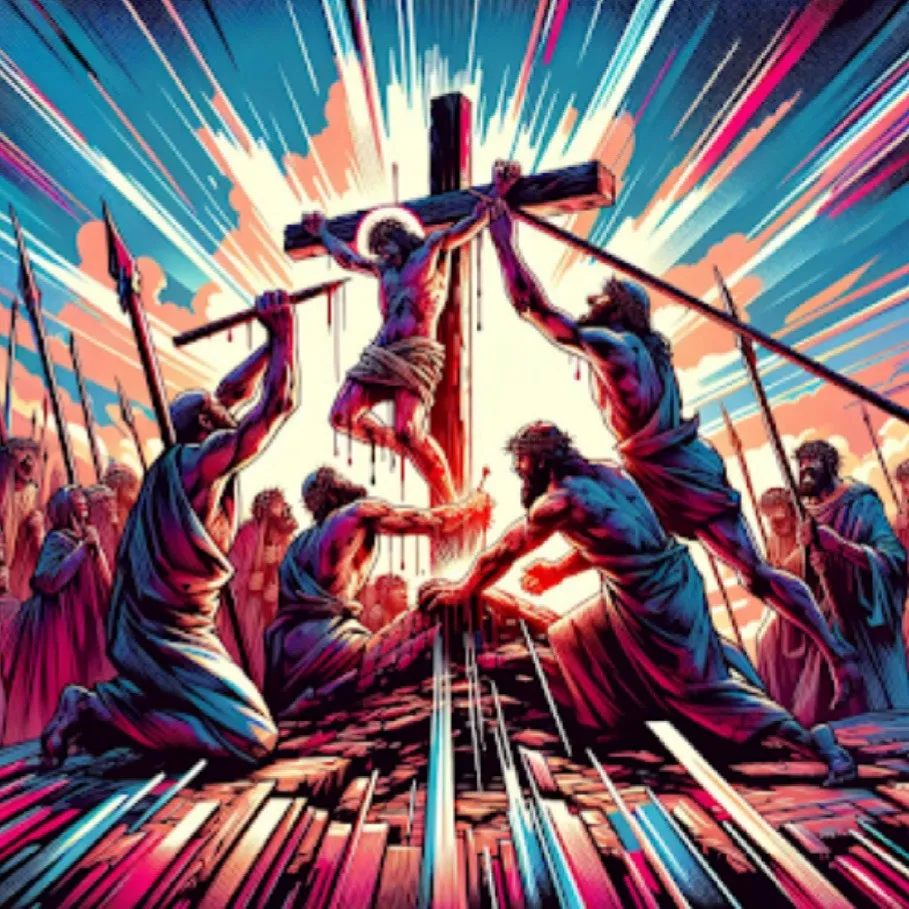
Spiritually, the Jubilee carried a powerful message of forgiveness and renewal. Debts—both literal and symbolic—were canceled, pointing forward to the ultimate redemption found in JesusChrist. Colossians 2:13-14 reflects this fulfillment: “He forgave us all our trespasses, by canceling the record of debt that stood against us with its legal demands. This He set aside, nailing it to the cross.” Just as the land and families were restored in the Jubilee, believers are restored to God through grace.
The lessons from this sacred cycle extend beyond a historical mandate. They remind the modern Christianity of the importance of justice, mercy, and Sabbath rest. They call us to care for our neighbors, to advocate for the oppressed, and to trust in God’s provision. Observing periods of spiritual reflection and renewal can become our personal “jubilee,” a time to realign with God’s purposes, release burdens, and embrace freedom in Him.
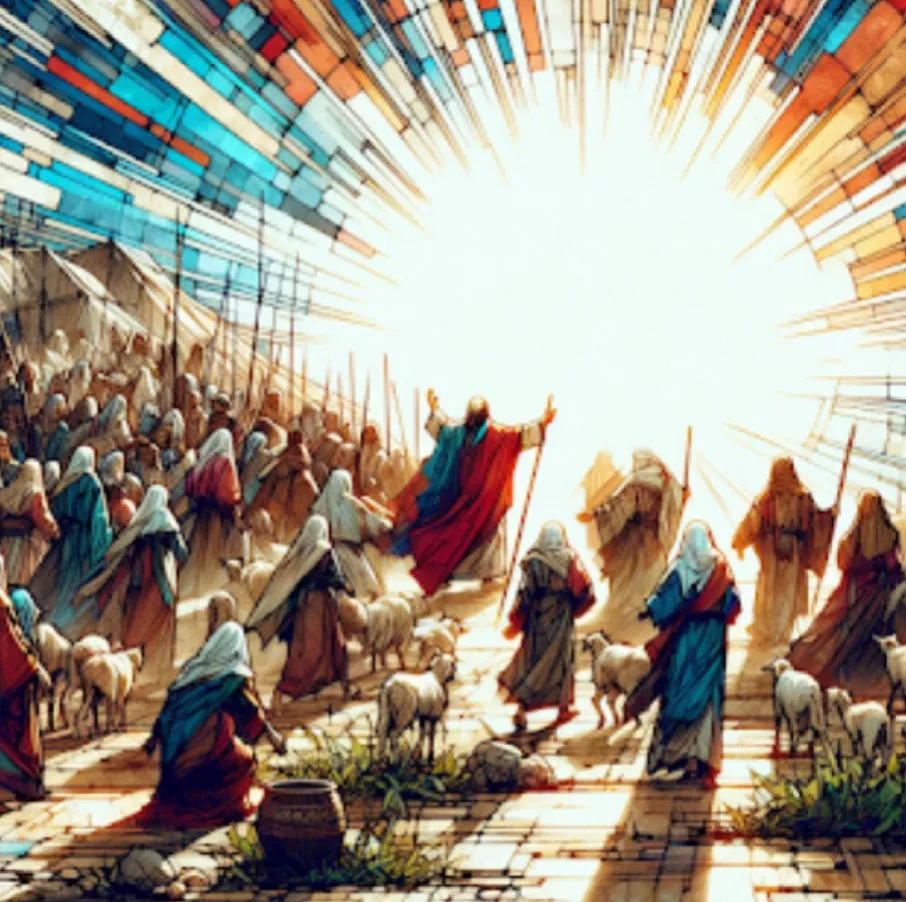
This sacred rhythm points us to the heart of God—a God who redeems, restores, and renews. By understanding and reflecting on these principles, we not only honor the ancient tradition but also experience the eternal truths that continue to shape lives today.
*All Photos from bibleart.com
RELATED ARTICLES

Kid Rock’s Jesus Moment on TPUSA Super Bowl Halftime Tour

Koon Man Space’s Chuen Lung Visual Research Archive Finale Flow with Big Mountain opens

Auspicious New Year greetings from The Peninsula

Christians, Beware Secret Societies After Epstein Revelations