


Jairus’ Daughter and the Woman Who Touched Jesus’ cloak

SHARE
Two people approached Jesus with impossible situations. Discover how their stories reveal powerful lessons about faith, prayer, and God’s mercy.

The story of Jairus’ daughter and the woman who touched Jesus’ cloak is one of the most powerful accounts of faith, healing, and hope in the Bible. Found in the Gospels of Matthew, Mark, and Luke, these two miracles happened within the same moment, revealing how Jesus responds to people in desperate situations.
Both stories show that no circumstance is beyond God’s reach. Whether someone is facing a long season of suffering or an impossible loss, Jesus demonstrates compassion, authority, and a willingness to restore lives. For Christians, this passage remains a reminder that faith is not simply believing in an outcome but trusting in the character and power of Jesus.
Faith That Reaches Out to Jesus
The woman who touched Jesus’ cloak had suffered from a bleeding condition for twelve years. She had spent everything seeking healing, yet nothing changed. When she heard that Jesus was nearby, she believed that even touching His clothing would bring healing.
In Mark 5:34, Jesus said to her, “Daughter, your faith has healed you. Go in peace and be freed from your suffering.” This moment reveals that Jesus recognized not only her physical pain but also her deep desire for restoration.
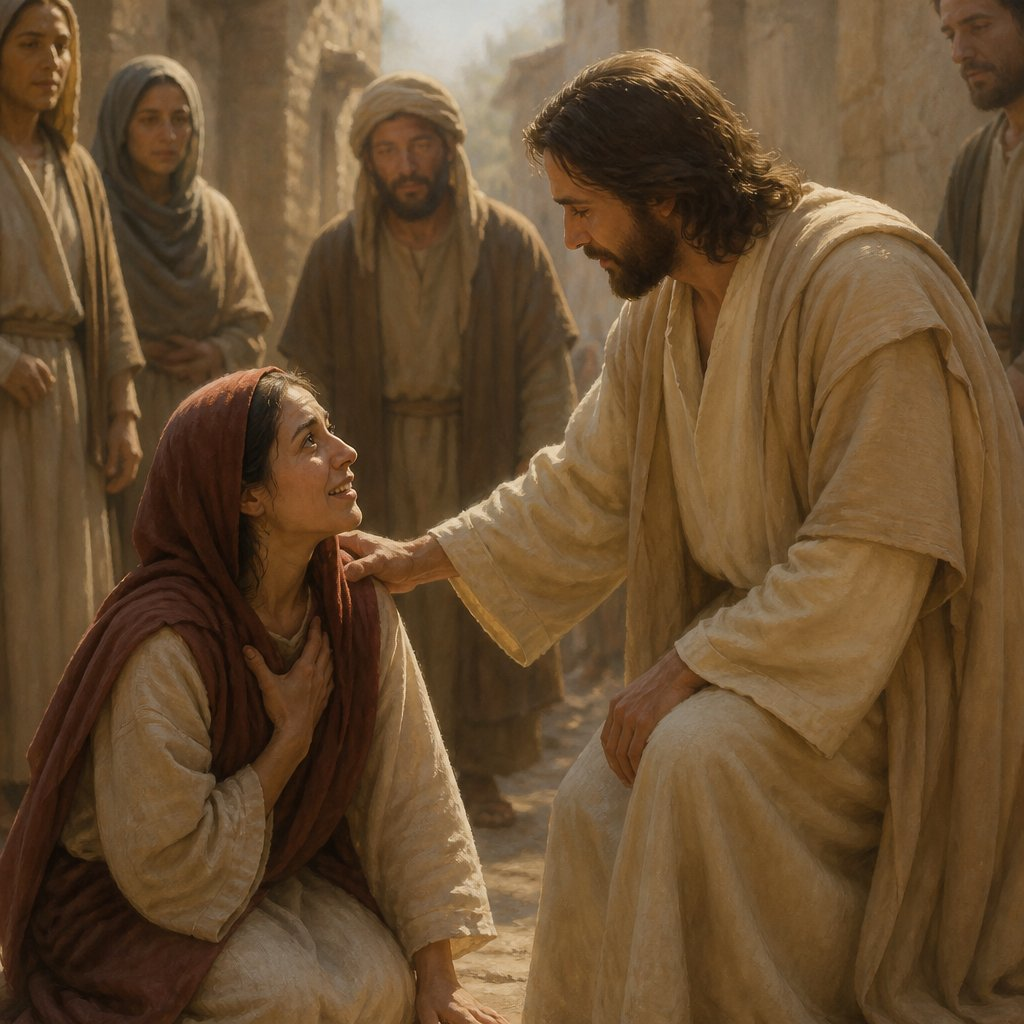
Her faith was expressed through action. She did not allow fear, shame, or years of disappointment to stop her from approaching Jesus. Her story teaches that prayer and faith involve coming to God with honesty and trust, even when circumstances seem hopeless.
This does not mean every prayer will be answered exactly as expected. Instead, this account reminds Christians that Jesus sees every struggle and responds with compassion according to His perfect will.
Trusting Jesus When Hope Seems Lost
Jairus, a synagogue leader, approached Jesus because his young daughter was dying. Despite his position and influence, he found himself in a situation where he could not save the person he loved. His response was to seek Jesus.
While Jesus was on the way to Jairus’ home, messengers arrived with devastating news: the girl had died. Yet Jesus encouraged him in Mark 5:36, saying, “Don’t be afraid; just believe.”
These words highlight an important lesson about faith. Jairus had to trust Jesus even when the situation appeared impossible. When Jesus arrived, He took the girl’s hand and brought her back to life, showing His authority over sickness and even death.

For Christians, this miracle points to the hope found in Jesus’ promise of eternal life and Heaven. It reflects the message of the gospel that Jesus brings restoration beyond what human strength can achieve.
Lessons About God’s Timing and Presence
The connected stories of Jairus’ daughter and the woman who touched Jesus’ cloak show that Jesus responds to different needs in different ways. One person received immediate healing after reaching out in faith, while another had to wait through a painful delay before seeing a miracle.
These accounts teach that God’s timing may not always match our expectations, but His presence remains constant. Through the guidance of the Holy Spirit, Christians can find strength to continue trusting Him during uncertain seasons.
The story also reminds the church that every person matters to Jesus. Whether someone approaches Him with a quiet prayer or a desperate cry for help, Jesus listens with compassion.
Like the disciples who witnessed these miracles, we are invited to recognize Jesus’ power and place our faith in Him. The stories of Jairus’ daughter and the woman who touched His cloak continue to show that no situation is beyond God’s ability to redeem.
*Cover Photo/Thumbnail Photo from: Bible Art
RELATED ARTICLES

Two Theme Parks, One Ocean Adventure at Hengqin Chimelong Resort

Klook Celebrates Champions of Philippine Tourism

Gear Up for Year-End Wellness: iHerb Spotlights 4 Everyday Health Essentials and Kicks Off 11.11 Early Access Sale with Up to 40% Off Sitewide
RCU launches 2026-2027 Archaeology Season across AlUla and Khaybar

THE REPULSE BAY TO HOST PREMIER AUTOMOTIVE GARDEN PARTY IN HONG KONG ON 7 NOVEMBER

Travelers from Japan, South Korea, and Hong Kong Invited to Explore Qixingtan with An Ji-Hyun and Experience Hualien, Eastern Taiwan’s “City of Healing”
Two Theme Parks, One Ocean Adventure at Hengqin Chimelong Resort
Klook Celebrates Champions of Philippine Tourism