
Lamb Sacrifices in Jewish Tradition
SHARE
Long before temples rose and priests stood at altars, God established a way for sinful people to approach Him with reverence and humility. In the pages of Scripture, blood offerings appear as solemn acts of obedience, gratitude, and repentance. These practices were never random rituals, but carefully instructed signs pointing to holiness, justice, and mercy.
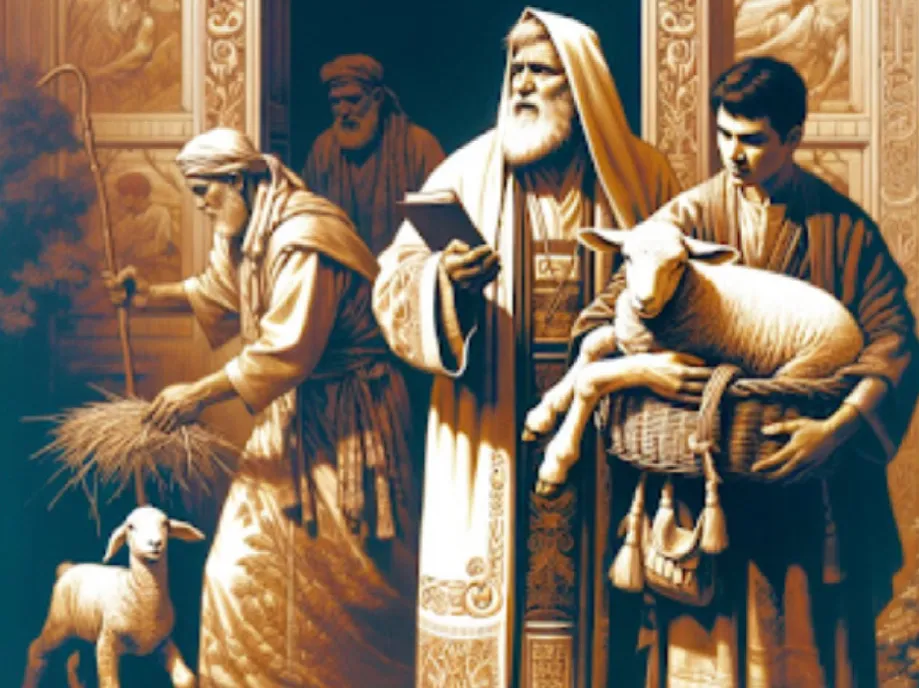
One of the most significant observances occurred during Passover. On the night of Israel‘s deliverance from Egypt, families were commanded to place blood on their doorposts. “When I see the blood, I will pass over you” (Exodus 12:13). This act symbolized protection from judgment and obedience rooted in faith. Life was spared not by strength or merit, but by trust in God’s word.
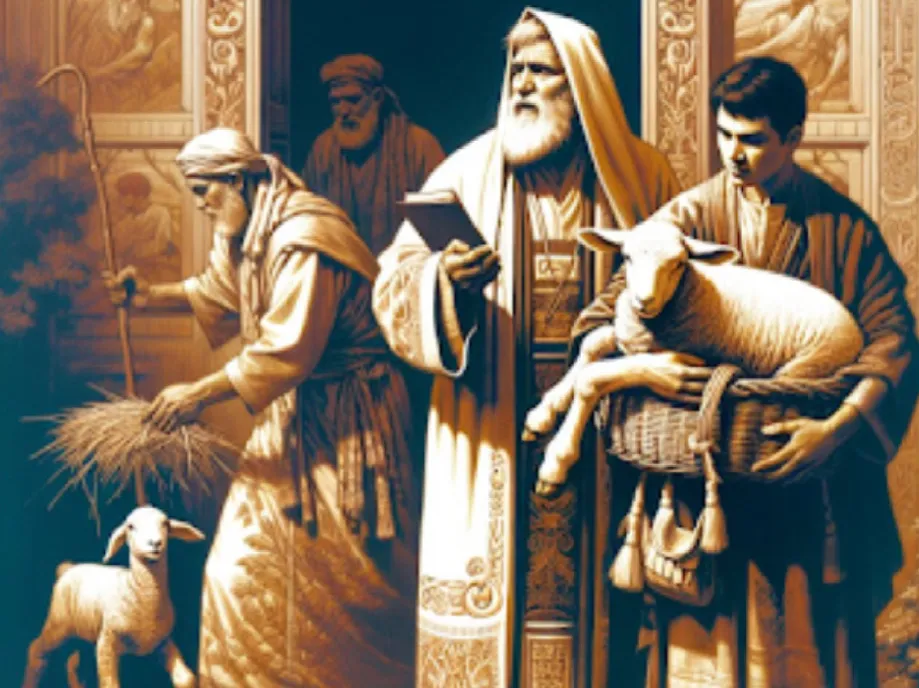
Daily worship also included burnt offerings, where an animal was given entirely to the Lord. “This is the offering made by fire, a sweet aroma to the Lord” (Leviticus 1:9). The rising smoke represented devotion and surrender, teaching the people that atonement involved both sacrifice and submission. Sin carried consequences, and forgiveness required life to be given.
Over time, prophets reminded Israel that these acts were not meant to replace sincere hearts. “I desire mercy and not sacrifice, and the knowledge of God more than burnt offerings” (Hosea 6:6). God’s concern was never mere ceremony, but repentance, obedience, and covenant faithfulness. The outward act was meant to reflect inward devotion.

For Christian readers, these ancient practices carry deeper meaning when viewed through the New Testament. John the Baptist proclaimed, “Behold! The Lamb of God who takes away the sin of the world!” (John 1:29). What was once repeated year after year found fulfillment in Jesus‘s once-for-all offering.
Understanding these early forms of worship helps believers appreciate the seriousness of sin and the greatness of grace. They reveal a God who requires holiness, yet lovingly provides a way for reconciliation. Through these shadows of redemption, Scripture points to God’s ultimate plan to restore humanity to Himself.
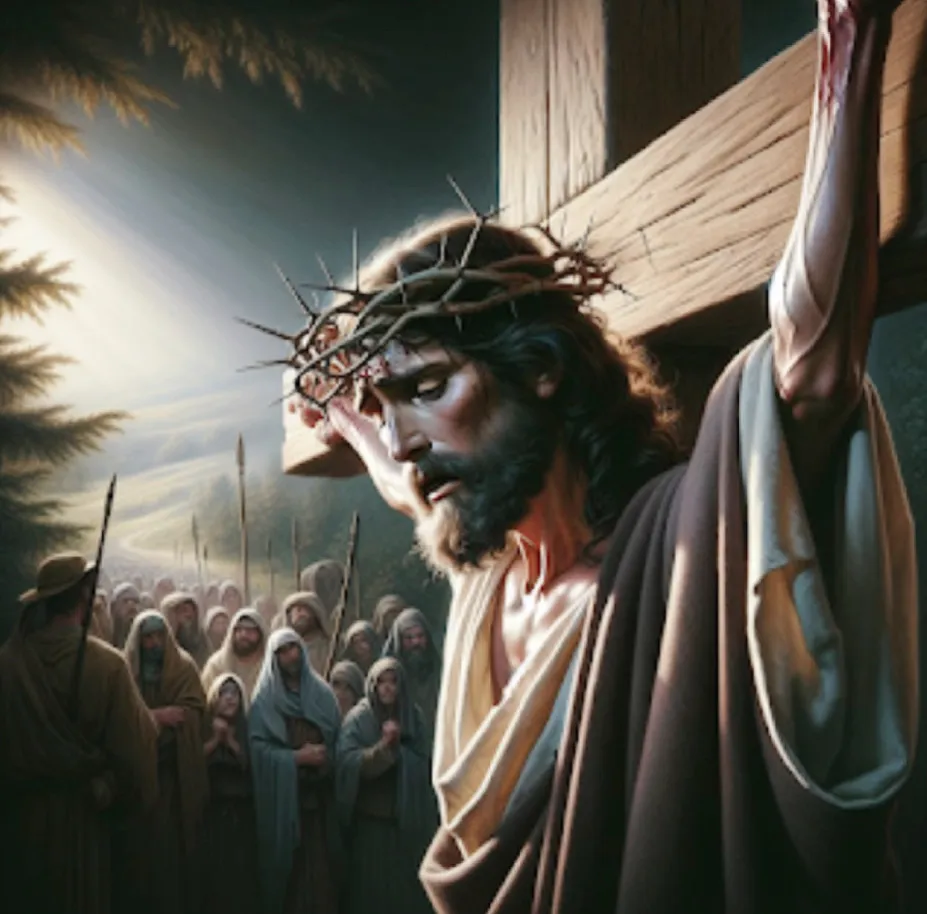
By reflecting on these commanded acts, modern believers gain perspective on worship, obedience, and gratitude. They remind the church that faith is not casual, but reverent, intentional, and responsive to God’s instruction. While the forms have changed, the call to offer our best remains. “Present your bodies a living sacrifice, holy, acceptable to God, which is your reasonable service” (Romans 12:1).
In remembering these ancient patterns, Christians are encouraged to live lives marked by surrender, holiness, and thankful trust in the saving work God has accomplished. This reflection deepens awe, strengthens devotion, and points hearts continually toward Christ’s redemptive purpose, shaping daily obedience, humble worship, and enduring hope grounded firmly in Scripture for believers seeking faithful Christian living.
*All Photos from bibleart.com
RELATED ARTICLES
Why Fasting Is Encouraged During Holy Week for Christians

Tencent Cloud Partners with ComfyUI to Transform 3D Workflows in Open‑Source AI

Prayer Over Travel: The True Meaning of Holy Week
Why Holy Week Matters for Christians Today and Forever