

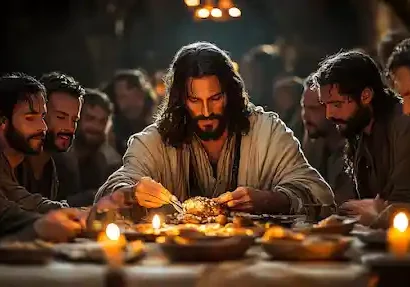
Lessons from Jesus Healing the Soldier’s Ear at Gethsemane

SHARE
Meta Description (160 characters):
Discover what Christians can learn from Jesus healing the soldier’s ear in the Garden of Gethsemane and how it reveals faith, mercy, and God’s greater plan.

One of the most remarkable moments in the Bible occurs during the arrest of Jesus in the Garden of Gethsemane. As Roman authorities and temple guards came to take Him away, one of His disciples reacted with violence. In a sudden act of defense, the disciple struck a servant of the high priest and cut off his ear. Instead of encouraging retaliation, Jesus performed a miracle by healing the injured man.
This brief yet powerful moment reveals deep truths about the character of Jesus, the nature of the gospel, and the kind of response Christians are called to demonstrate when facing conflict or injustice.
A Lesson in Mercy Over Violence
According to the Gospel of Luke, Jesus immediately responded to the violent act by restoring the soldier’s ear, “but Jesus answered and said, ‘Permit even this.’ And He touched his ear and healed him.” (Luke 22:51)
The servant, traditionally identified as Malchus, was part of the group sent to arrest Him. In human terms, he was an enemy. Yet Jesus chose compassion instead of revenge. This moment shows that the mission of Jesus Christ was never about conquering opponents through force. Instead, His life consistently reflected the mercy of God, even toward those who opposed Him.

For Christians, this example challenges a natural instinct to fight back when wronged. The miracle reminds Christians that responding with grace can reflect the heart of God more clearly than retaliation ever could.
Trusting God’s Plan Even in Crisis
Another lesson from this event is the importance of trusting faith in God’s larger plan. When the disciple attempted to defend Jesus with a sword, it seemed logical. After all, the arrest appeared unjust. However, Jesus corrected that reaction. He said, “Put your sword back in its place… for all who take the sword will perish by the sword.” (Matthew 26:52)
This statement, recorded in the Gospel of Matthew, reveals that the events unfolding were part of God’s redemptive plan described throughout the Bible. Jesus knew that His arrest would lead to the crucifixion and ultimately the fulfillment of the gospel message. Instead of resisting, He surrendered to God’s purpose.
For Christians today, this teaches that moments of crisis can still fall within God’s sovereign design. Through prayer, Christians are reminded to trust that God may be working through circumstances that initially seem painful or unfair.
A Picture of the Heart of the Gospel
The miracle in the garden also reflects the heart of what the gospel represents: restoration.
In the darkness of betrayal and violence, Jesus chose to heal. Even while being taken away, He extended compassion to someone aligned with His captors. This act symbolizes the broader message of the gospel—that God restores what is broken.
For followers of Christ, this moment encourages a life shaped by humility, mercy, and trust. Just as Jesus healed His enemy in that garden in Israel, we are invited to respond to the world not with hostility but with grace.
Ultimately, the miracle reminds Christians that the power of God is often revealed not through force, but through love that restores even in the most difficult moments.
*Cover Photo/Thumbnail Photo from Bible Meadow
RELATED ARTICLES

What Happened to Jesus at Gethsemane? Meaning and Lessons

What Makes Jesus So Special in Christian Faith Today

Why Fasting Is Encouraged During Holy Week for Christians

Tencent Cloud Partners with ComfyUI to Transform 3D Workflows in Open‑Source AI