

Leviathan: Its Nature and Supposed Location
SHARE
Few creatures in Scripture capture the imagination of Christians quite like Leviathan. Described with awe and mystery, this fearsome being appears in several biblical passages, most notably in Job 41, Psalm 74, and Isaiah 27. Rather than being a mere mythological beast, Leviathan represents something far greater—a testament to God’s unmatched power and sovereignty over creation, even over forces that seem uncontrollable to humanity.
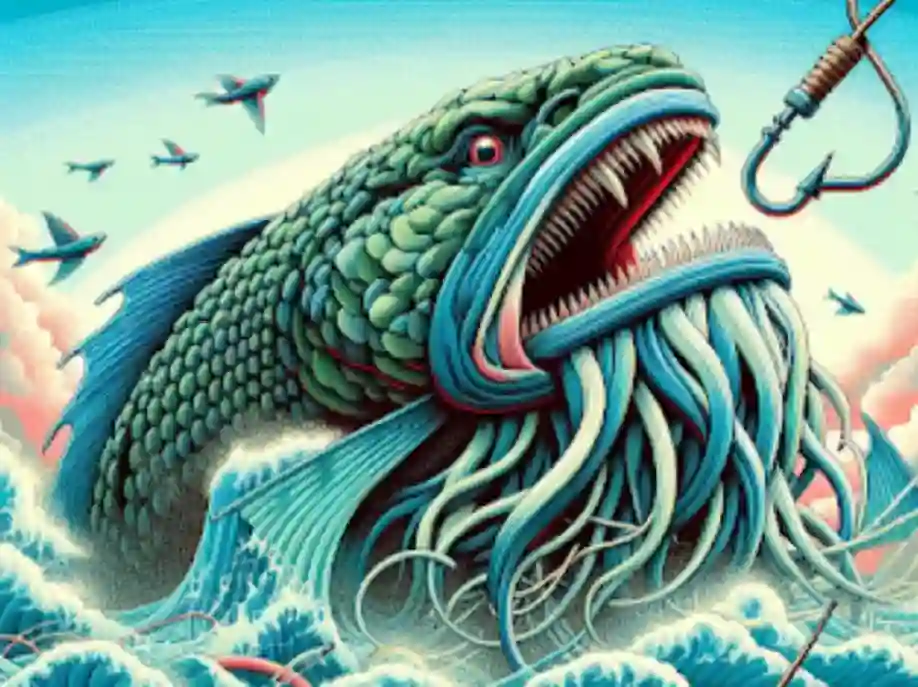
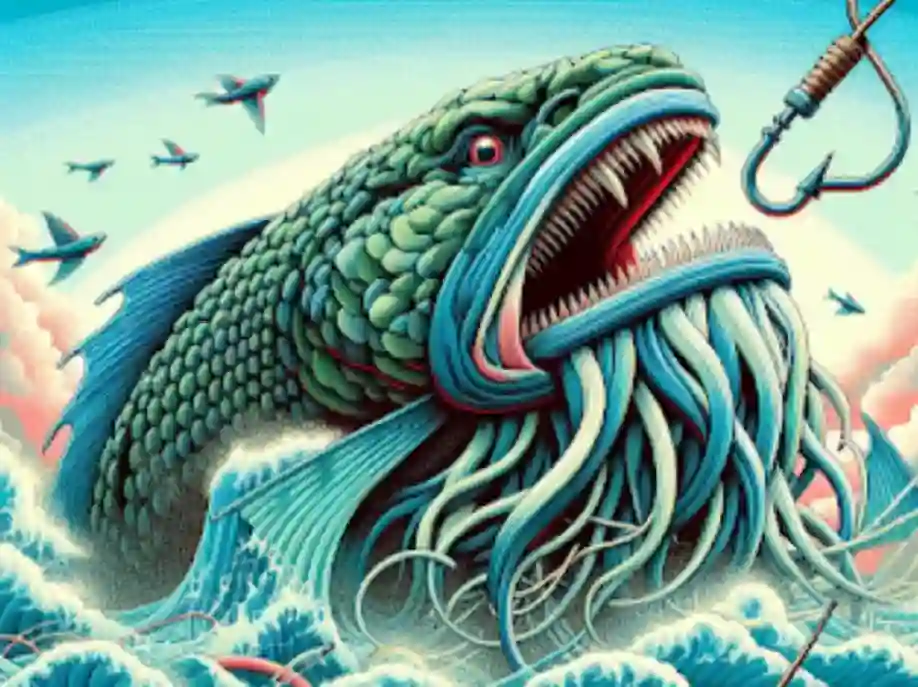
In Job 41, God challenges Job by describing Leviathan as a creature beyond human mastery: “Can you draw out Leviathan with a hook?” (Job 41:1). The vivid imagery of its scales, terrifying snorts, and invincible strength reminds readers that some aspects of creation exist solely to magnify the Lord’s greatness. Human skill, courage, and tools fail utterly before Leviathan, underscoring that God alone rules over all powers.
Psalm 74:14 offers another perspective, portraying God as the conqueror of Leviathan: “You broke the heads of Leviathan in pieces.” Here Leviathan symbolizes chaos and hostile forces that oppose God’s people. The psalmist recalls God’s past deliverance to encourage trust in His continuing protection. Whether Leviathan is taken as literal or symbolic, the message remains the same—God is not threatened by anything that threatens us.
The question of Leviathan’s nature has sparked debate among scholars and believers. Some view it as a large aquatic creature, perhaps akin to a crocodile or whale. Others see it as a supernatural sea monster associated with ancient Near Eastern imagery of chaos. Scripture itself blends both natural and symbolic language, making Leviathan a creature that defies simple categorization.
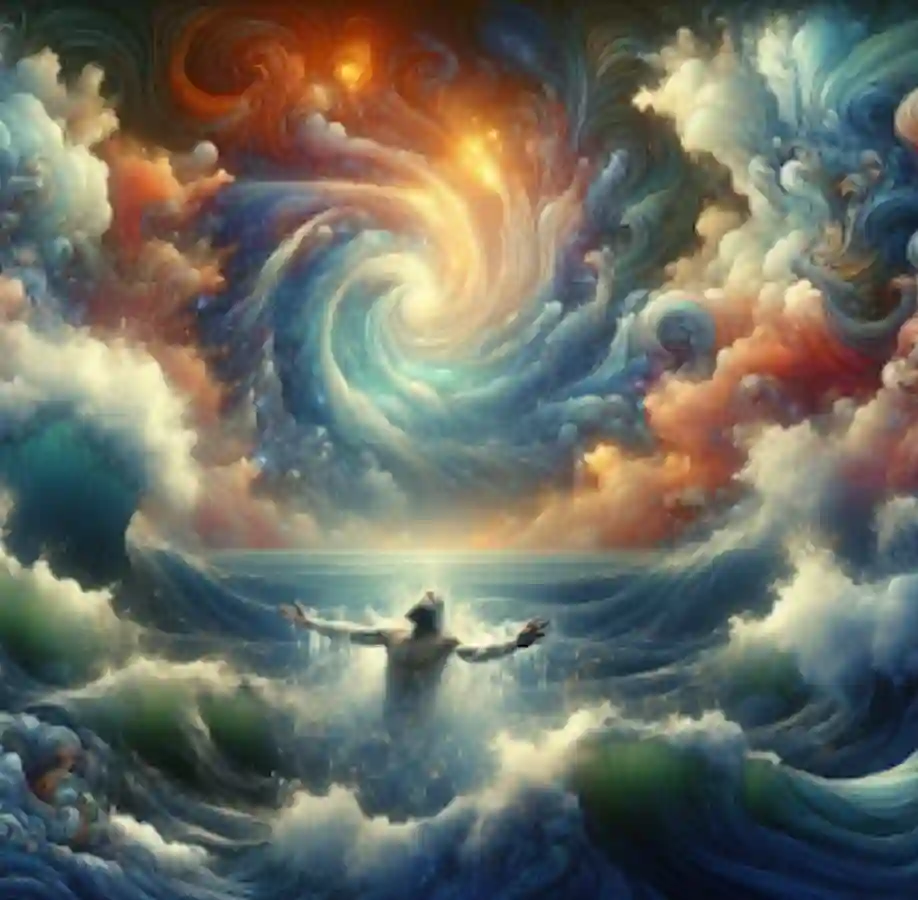
Its supposed location is equally intriguing. Because Leviathan is connected to the sea, many assume it inhabits the depths of the oceans. Job 41 references it churning the water into a boiling cauldron, suggesting deep, turbulent regions far beyond human reach. Psalm 104:25–26 speaks of the “great and wide sea” where numerous creatures play, including Leviathan, which God made to “frolic” there. The picture is not of a lurking terror but of a creature thriving exactly where God placed it.
Spiritually, Leviathan also represents the unseen forces of turmoil that stir beneath the surface of human life. Isaiah 27:1 speaks of God punishing “Leviathan the fleeing serpent,” portraying the creature as a symbol of evil nations or spiritual opposition. Its location, then, is not only in the sea but in the metaphorical depths where disorder and rebellion reside.
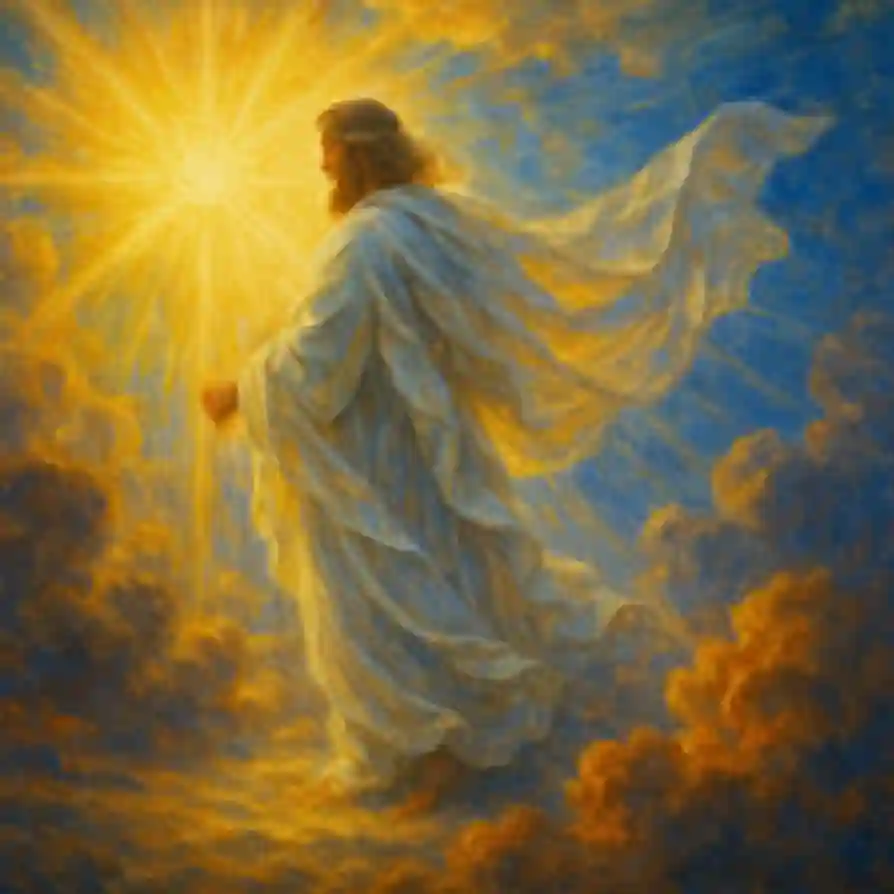
Ultimately, Leviathan points us back to God’s authority. Whether dwelling in the ocean’s abyss or serving as a symbol of chaos, Leviathan belongs to the Lord. Nothing escapes His dominion. For believers today, the passages about this mysterious creature encourage humility, trust, and worship.
The world may feel stormy and unpredictable, yet the God who made Leviathan still reigns over every depth and every force that seems beyond our understanding. As we meditate on these truths, we are reminded that the God who governs the seas governs our days, inviting us to rest in His strength, walk in His wisdom, and find peace in His unchanging faithfulness.
*All Photos from bibleart.com
RELATED ARTICLES

Leading Asian DMC Discova to Attend ITB Asia 2026

Qatar Airways Group Signs Inaugural Japanese Financing Agreement with Partners HSBC and JP Lease

WORLD WATERPARK ASSOCIATION AWARD CELEBRATES VIETNAM’S AQUATIC ENTERTAINMENT RISE

‘NBA Cares x Sands Cares Community Impact Week 2026’ Attracts Over 2,900 Participants Across Five Days