


‘Nuremberg’ on Holocaust Reflection Amid Rising Antisemitism

SHARE
History can serve as both a mirror and a warning, reflecting humanity’s capacity for cruelty while urging vigilance against its return. Recent cinematic portrayals of postwar justice have reminded audiences of the devastating consequences when prejudice, propaganda, and power converge unchecked. One such portrayal has stirred renewed conversations about the responsibilities of memory and education in shaping our moral compass.

The film Nuremberg brings to life the trials that exposed the horrors of the Nazis’ systematic campaign of extermination. By focusing on figures like Hermann Göring, the movie offers audiences a stark window into both the scale of the atrocities and the deliberate mechanisms behind them. The courtroom scenes, meticulously reconstructed, demonstrate how law and evidence confronted ideology and deception. Audiences have responded with both shock and reflection, noting that even with years of formal education about this history, the visceral depiction leaves an enduring impression.
For viewers in Israel, the film resonates on an especially personal level. It reinforces lessons learned in school and during visits to historical sites like Poland, yet presents a perspective rarely emphasized: the mindset of perpetrators and enablers. Seeing this dimension allows audiences to confront the uncomfortable reality that genocide was not a spontaneous outbreak of violence but a systematic, bureaucratic, and ideologically driven campaign. This insight encourages viewers to recognize early signs of hatred and to consider the moral responsibility of society to resist them.
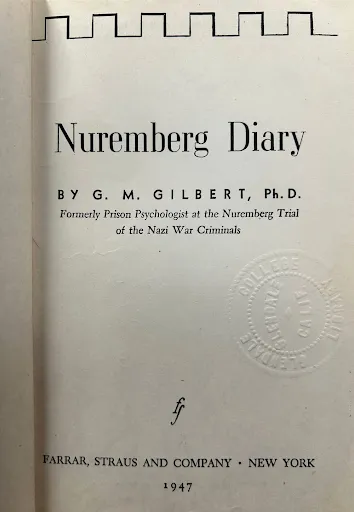
Experts emphasize that remembering these events is not merely an academic exercise. Dr. Charles Asher Small, founder of the Institute for the Study of Global Antisemitism and Policy, notes that the Nuremberg trials were pivotal in creating a framework for international law, human rights, and the defense of democracy itself. He stresses that the trials’ legacy underscores the importance of vigilance: understanding the mechanisms of oppression, prosecuting injustice, and reinforcing values that protect human dignity.
Institutions like Yad Vashem, Israel’s Holocaust memorial, continue this work daily. By preserving records, testimonies, and artifacts, the memorial ensures that the reality of genocide remains accessible to future generations. Visitors are confronted not only with numbers and dates but with the lived experiences of those who suffered. Guides like Malky Weisburg highlight how hatred escalates gradually—through language, stereotypes, and the denial of humanity—before it manifests in violence. This perspective underscores the need for both education and moral awareness as defenses against repeating history.
Embed from Getty ImagesAs antisemitism and other forms of prejudice rise again in different parts of the world, films like Nuremberg serve a dual purpose: they entertain and inform, but more critically, they challenge viewers to act as witnesses to history. By confronting the past honestly and fully, society can cultivate empathy, resist indifference, and safeguard against ideologies that dehumanize others. The hope is that cinematic reflection, paired with robust education, will inspire a generation committed to upholding justice and human dignity, ensuring that the lessons of history remain alive and urgent.
*Cover Photo/Thumbnail Photo by Sony Pictures
RELATED ARTICLES

Called to Heal, But How Far? Doctors, Faith, Abortion

Why Easter Sunday Should Center on Jesus, Not the Bunny

What Easter Sunday Teaches Us About New Beginnings

The Day God Was Silent: What Black Saturday Teaches Us About Waiting