

Roots and the Rise of Idolatry
SHARE
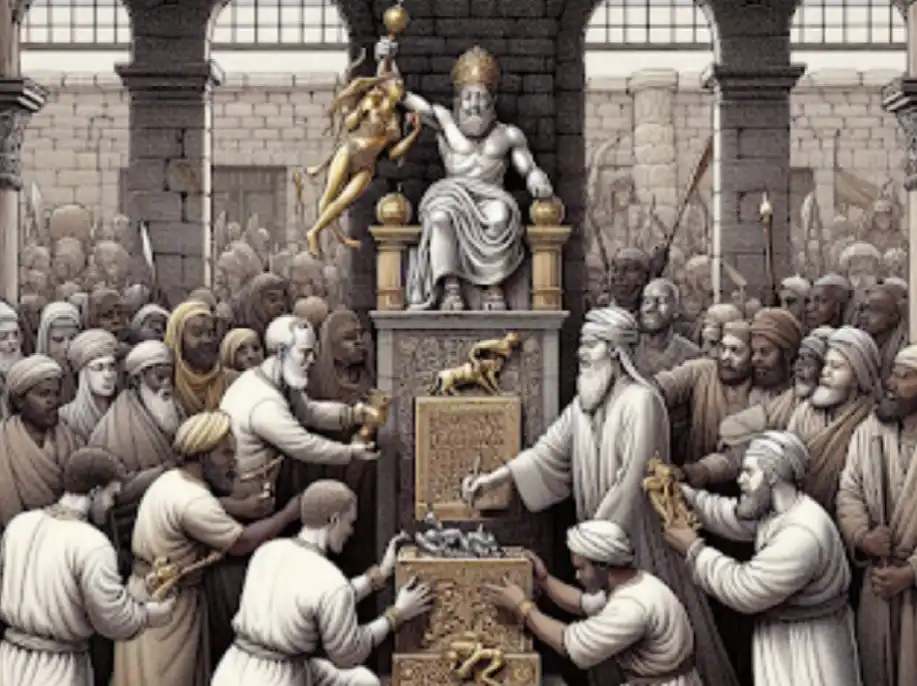
Idolatry did not appear suddenly in human history; it grew from subtle shifts of the heart long before statues were carved or rituals were practiced. Its earliest roots can be traced back to humanity’s first turning away from God’s command.
When Adam and Eve chose their own judgment over obedience (Genesis 3:6), the seed of idolatry was planted: the elevation of the self above the Creator. From that moment on, people became prone to exchanging the truth for appealing illusions. As Paul later wrote, “they exchanged the glory of the incorruptible God for images” (Romans 1:23). Idolatry began as an inward drift long before it became an outward practice.
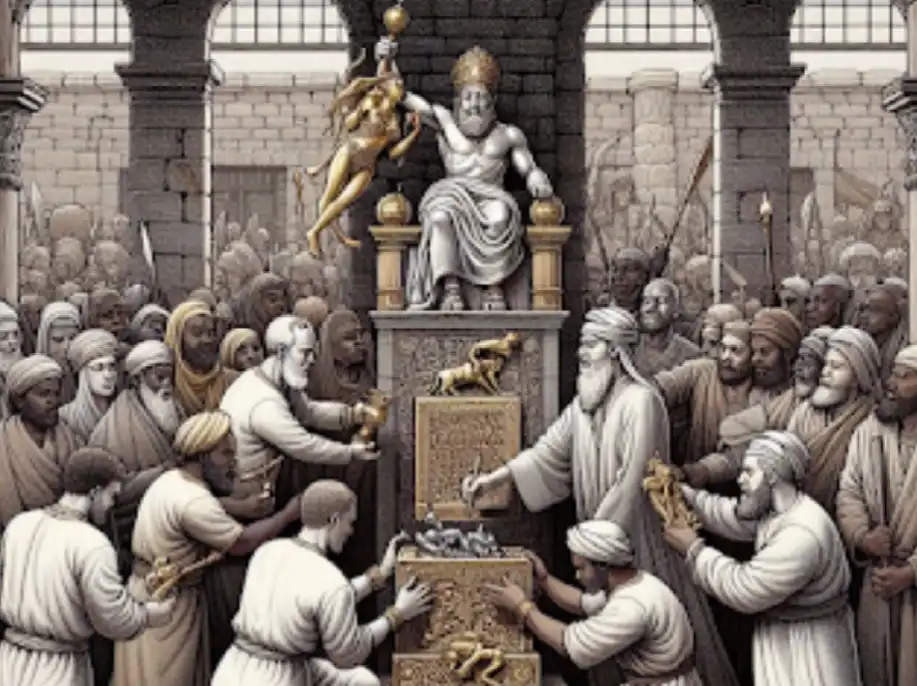
Early generations after Eden struggled continually with this tendency. Cain’s descent into jealousy and murder revealed a heart no longer aligned with God. Even after Eden, people still called on the name of the Lord (Genesis 4:26), yet a competing desire was rising—an attraction to human invention, visible objects, or practices that gave the illusion of control. By the time of Noah, the world was so corrupt that “every intent of the thoughts of his heart was only evil continually” (Genesis 6:5). This spiritual decay laid the groundwork for idolatry’s emergence in its many forms.
After the flood, the Tower of Babel showed how humans began glorifying themselves rather than honoring God. They said, “Let us make a name for ourselves” (Genesis 11:4), revealing the essence of idolatry: worship directed toward human achievement instead of divine authority. This prideful mindset eventually developed into structured belief systems centered on created things—sun, moon, stars, animals, and even powerful rulers.

When God called Abraham, the world was already filled with pagan cultures and idol-worshiping practices. Joshua later reminded Israel, “Your fathers… served other gods” (Joshua 24:2). Abraham’s obedience marked a return to true worship, but his descendants would still battle the pull of idolatry for generations. Even after witnessing miracles in Egypt, the Israelites crafted a golden calf at Sinai (Exodus 32:4). Their impatience and insecurity led them to create something visible, something they could control. This moment exposed a crucial truth: idolatry rises whenever trust in God weakens.
The Bible’s prophets repeatedly warned Israel about this danger. Isaiah mocked the absurdity of carving a god from the same wood used for fire (Isaiah 44:14–17), while Jeremiah cried out against the folly of decorating idols with silver and gold (Jeremiah 10:3–5). Their messages were clear—idolatry is not only a spiritual error but also a tragic exchange of the living God for lifeless substitutes. Still, people clung to idols because these false gods demanded less, promised control, and appealed to human desires.
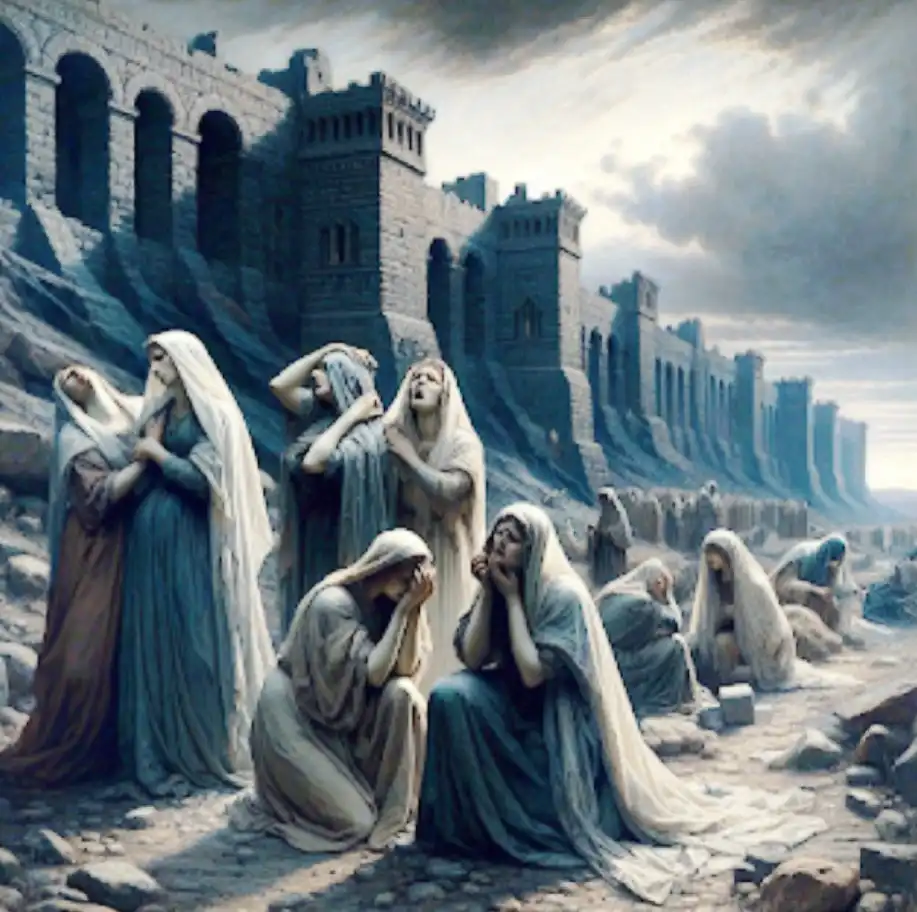
Even the New Testament continues this warning. Paul urged believers, “Flee from idolatry” (1 Corinthians 10:14), because idolatry’s battle is not ancient—it is ongoing. Today’s idols may not be carved images, but anything that captures the heart more than God becomes a modern altar. Whether success, comfort, power, or personal agendas, anything placed above obedience to the Lord becomes a spiritual threat.
Understanding the roots and rise of idolatry reminds us that the greatest safeguard is a heart anchored in devotion. The call remains the same: “You shall have no other gods before Me” (Exodus 20:3). When God alone holds first place, every counterfeit loses its power.
*All Photos from bibleart.com
RELATED ARTICLES

Robi Domingo, Mikee Cojuangco-Jaworski, Lola Amour Lead Star-Studded Earth Hour 2026 for 20th Global Switch-off

Phuket Getaway: Up to 50% Off – This Month!

A Sensational New Art Exhibition Arrives at The Peninsula Hong Kong

Why God’s Early Discipline Is Better for Our Growth