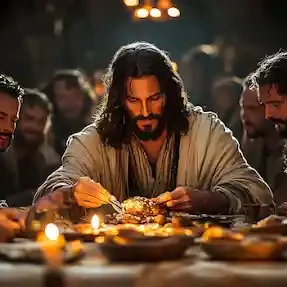


Scriptures on Murder and Its Consequences

SHARE
The act of taking another life is not merely a legal offense; it is a profound violation of God‘s design for humanity. From the earliest pages of Scripture, the gravity of murder is emphasized, reminding believers that every human life bears divine value. The Bible consistently portrays murder as an offense not only against the victim but against God Himself, and it underscores the serious consequences that follow.
In Genesis 4, we encounter the tragic story of Cain and Abel. Cain’s jealousy led him to commit the first recorded murder, and God’s response was both swift and severe. Genesis 4:10-11 records, “The Lord said, ‘What have you done? Listen! Your brother’s blood cries out to me from the ground. Now you are under a curse and driven from the ground, which opened its mouth to receive your brother’s blood from your hand.’” Here, Scripture communicates that murder disrupts the moral and spiritual order God has established, and consequences extend beyond earthly punishment to spiritual estrangement.

The Ten Commandments further reinforce the sanctity of life. Exodus 20:13 plainly states, “You shall not murder.” This commandment is concise yet powerful, illustrating that life is sacred and that the intentional taking of it directly violates God’s law. It is a principle repeated and expanded upon throughout Scripture, underscoring a divine expectation for justice, repentance, and accountability.
Proverbs 6:16-19 lists behaviors detestable to the Lord, including hands that shed innocent blood, noting that such acts are part of the things God hates. This passage reminds believers that murder is not only socially destructive but spiritually offensive, placing the perpetrator in opposition to God’s heart and holiness.

The New Testament also addresses the consequences of violence and murder. In 1 John 3:15, it is written, “Anyone who hates a brother or sister is a murderer, and you know that no murderer has eternal life residing in him.” Jesus expands the understanding of murder beyond physical acts to include anger and hatred in the heart, signaling that the seeds of violence begin internally and require spiritual vigilance and repentance.
Scripture assures that justice and divine judgment follow those who commit murder. Romans 12:19 instructs, “Do not take revenge, my dear friends, but leave room for God’s wrath, for it is written: ‘It is mine to avenge; I will repay,’ says the Lord.” Believers are called to trust God’s righteous judgment rather than exacting vengeance themselves.
The Bible presents a clear, unyielding perspective on murder: it is a sin with consequences that reverberate through spiritual, moral, and social dimensions. From Cain’s tragic example to the teachings of Jesus, Scripture calls all believers to honor life, reject hatred, and seek reconciliation rather than violence. By heeding God’s word, Christians uphold the sacredness of life and walk in alignment with divine justice and mercy.
*Cover Photo/Thumbnail Photo from bibleart.com
RELATED ARTICLES

Called to Heal, But How Far? Doctors, Faith, Abortion

Why Easter Sunday Should Center on Jesus, Not the Bunny

What Easter Sunday Teaches Us About New Beginnings

The Day God Was Silent: What Black Saturday Teaches Us About Waiting