

The Cost of False Worship

SHARE
Idolatry has always been more than a harmless tradition or cultural practice; it is a direct offense against the Creator. From the earliest chapters of Scripture, we see that the Lord desires exclusive devotion. In Exodus 20:3, God commands, “You shall have no other gods before Me.” This isn’t merely a suggestion—it is a boundary meant to protect His people from spiritual harm and moral ruin.
When humans turn their hearts toward other gods, it is not simply a harmless choice; it provokes God’s righteous judgment. In Deuteronomy 8:19, the warning is clear: “If you ever forget the LORD your God and follow other gods…you will certainly perish.” Worshiping idols—or anything that replaces God’s rightful place in our hearts—invites consequences because it undermines the covenant relationship God establishes with His people.

Image: bibleart.com
The danger of false worship is illustrated repeatedly in Israel’s history. The Israelites, despite witnessing God’s mighty works, repeatedly fell into the temptation of Baal and other pagan gods. In 1 Kings 16:32-33, King Ahab “did more evil in the eyes of the LORD than all who were before him. He not only considered it trivial to commit the sins of Jeroboam son of Nebat, but he also married Jezebel and began to serve Baal and worship him.” The result? God allowed calamity to follow, demonstrating that idolatry carries tangible consequences.
God’s punishment is not arbitrary; it is corrective and protective. False gods cannot save, guide, or sustain life. Jeremiah 2:11-13 illustrates this, saying, “Has a nation ever changed its gods?… My people have exchanged their glorious God for worthless idols. Be appalled at this, O heavens, and shudder with great horror—declares the LORD. My people have committed two sins: They have forsaken Me, the spring of living water, and have dug their own cisterns, broken cisterns that cannot hold water.” By pursuing worthless substitutes, people not only dishonor God but also expose themselves to spiritual emptiness and destruction.
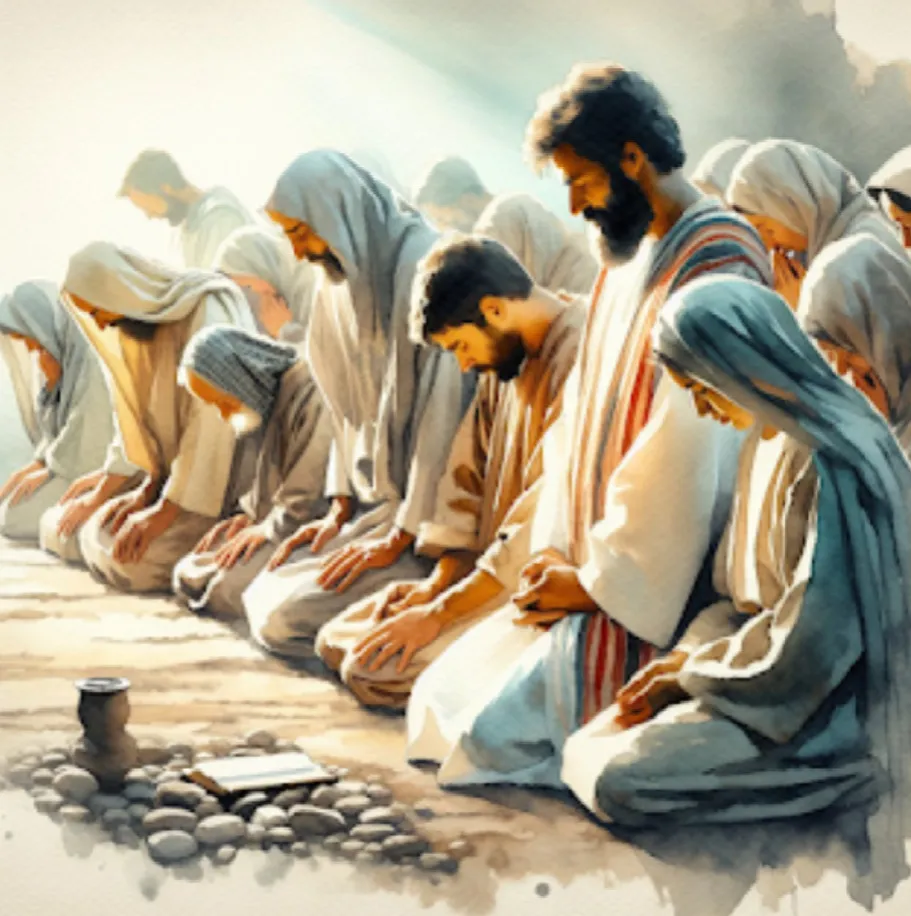
Even today, modern distractions can become idols—money, power, or personal pleasure. While these things are not inherently evil, prioritizing them above God is a form of false worship, and the principle remains: God is jealous for His people’s hearts (Exodus 34:14). The discipline He allows is a reminder of His holiness and the seriousness of turning away from Him.
However, Scripture also offers hope. Those who repent from idolatry find restoration. In 2 Chronicles 7:14, God promises, “If My people, who are called by My name, will humble themselves and pray and seek My face and turn from their wicked ways, then I will hear from heaven, and I will forgive their sin and will heal their land.” God’s desire is never to destroy without purpose; His discipline aims to bring hearts back to Him.
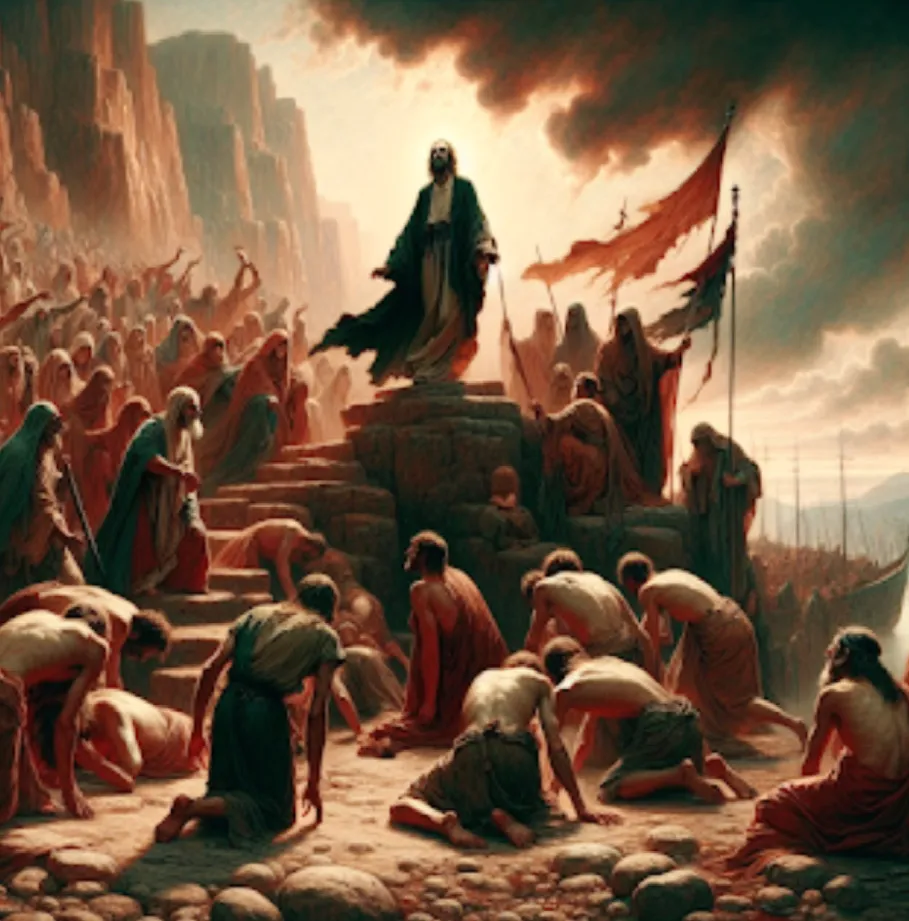
The cost of false worship is high—spiritual loss, moral decay, and divine discipline. Yet, God’s mercy is greater. By keeping Him first, believers not only avoid the judgment that comes with idolatry but also enjoy the fullness of life He intends. Let our hearts remain steadfast, for the Lord alone is worthy of all worship.
*All Photos from bibleart.com
RELATED ARTICLES

5 Reasons Why the HUAWEI FreeClip 2 is Your Go-To Functional Tech Accessory for Everyday Life

Celebrities Are Embracing Lent Prayer Challenges Through Hallow

Never Worship These False Gods from the Bible

Janine Gutierrez spotlights gifting with impact through WWF-Philippines’ Adopt a Species