

What Zachariah’s Prophecy Reveals About God’s Faithfulness
SHARE
What did Zachariah’s prophecy mean? Explore the story behind his powerful words and the lessons it offers Christians about faith, hope, and God.

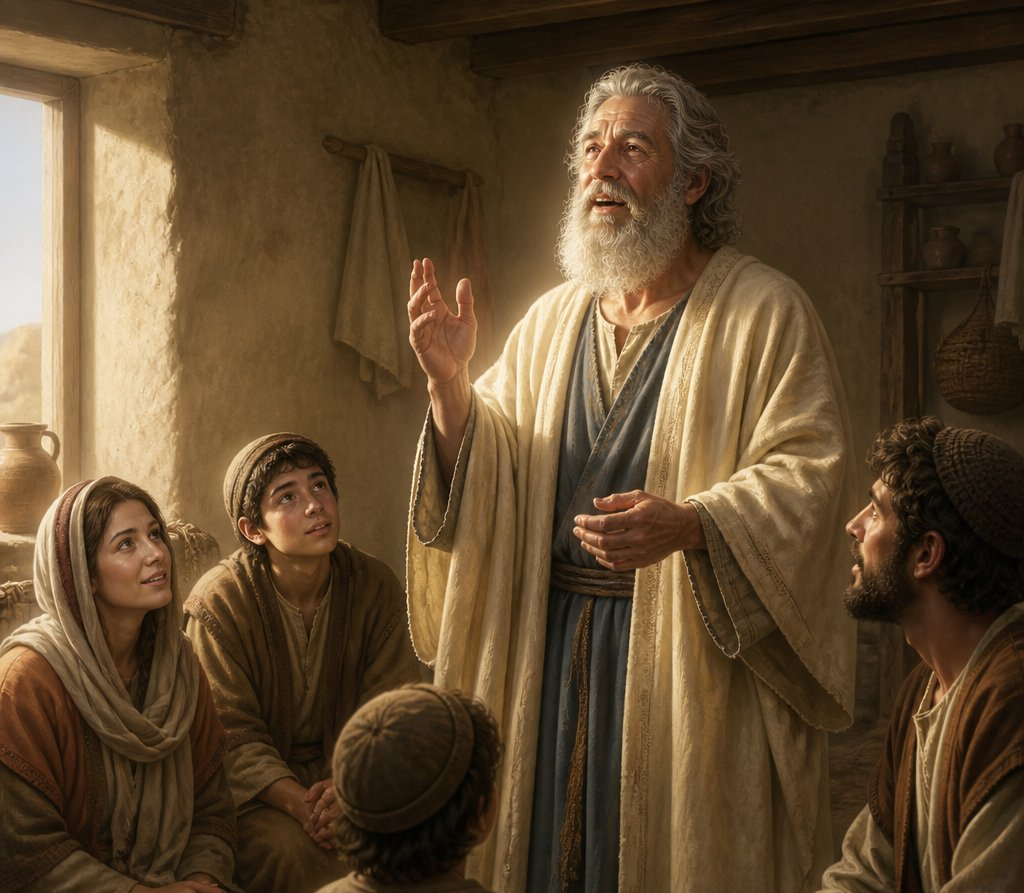
When Zachariah finally spoke after months of silence, his first words were not about himself. They were a song of praise to God.
The priest had been unable to speak since the angel Gabriel announced that his wife, Elizabeth, would have a son named John. After John’s birth, Zachariah’s speech returned, and he was filled with the Holy Spirit. His prophecy pointed beyond his newborn son to the greater work God was preparing through Jesus.
Recorded in Luke 1:67–79, Zachariah’s prophecy is more than a celebration of a miraculous birth. It is a reminder that God keeps His promises, even when His timing is difficult to understand.
God’s Promises Can Take Time to Unfold
Zachariah’s story begins with a promise that seemed impossible. He and Elizabeth were advanced in age and had no children. Yet God answered their prayer and gave them John, who would prepare the way for the Messiah.
Zachariah’s response reflects a deep understanding of Israel’s history. He spoke about God remembering His covenant and raising up a Savior for His people.
This is one of the most meaningful lessons from his prophecy: God’s apparent silence does not mean He has forgotten His promises.
The Bible repeatedly shows that God works according to His purposes and timing. For Christians, this can provide reassurance when prayers seem unanswered or circumstances appear unchanged. Faith does not require knowing exactly when God will act. It means trusting that His promises remain true.
John’s Purpose Was to Point to Jesus
Zachariah understood that his son had a specific mission. John would be called the prophet of the Most High and would prepare people for the coming of the Lord.
As written in Luke 1:76, “And you, child, will be called the prophet of the Most High; for you will go on before the Lord to prepare the way for him.”

John’s ministry would ultimately direct attention away from himself and toward Jesus. His role reminds the church that Christian faith is not centered on personal recognition but on making the gospel known.
Zachariah also connected salvation with forgiveness. The coming Messiah would bring “the knowledge of salvation” through the forgiveness of sins. The prophecy therefore points toward the heart of the gospel: humanity’s deepest need is not simply better circumstances, but reconciliation with God.
Hope Can Shine Even in Dark Seasons
One of the most powerful images in Zachariah’s prophecy is the coming light.
Luke 1:78–79 describes God’s mercy through “the rising sun” that will shine on those living in darkness and guide their feet into the way of peace.

The imagery would have carried profound meaning for people longing for redemption. Yet it remains meaningful for Christians today. Life can bring uncertainty, grief, disappointment, and seasons when Heaven seems distant. Zachariah’s prophecy reminds us that God’s light is not overcome by darkness.
His song ultimately points to Jesus, the fulfillment of God’s redemptive plan. John would prepare the way, but Jesus would bring salvation.
Zachariah’s prophecy therefore invites us to live with patience, faith, and hope. Like Zachariah, we may not see the whole picture when God makes a promise. But we can trust the One who does. His story encourages us to remember what God has done, recognize the work He is doing, and remain hopeful about what He has promised yet to fulfill.
*Cover Photo/Thumbnail Photo from: Bible Art
RELATED ARTICLES

One Journey, Two Experiences: Heal And Explore In Selangor

MHTC AND MAYBANK PARTNER TO BRING MALAYSIA HEALTHCARE CLOSER TO ASEAN CUSTOMERS

It’s Back: LEGO Certified Store Reopens at TriNoma This October

Comarch Loyalty Transforms Azerbaijan Airlines’ Loyalty Program into a Fintech Ecosystem