

Why Holy Week Matters for Christians Today and Forever
SHARE
Discover why Holy Week is important to Christians, its biblical meaning, and how it deepens faith through reflection, prayer, and the promise of Heaven.

For millions of Christians around the world, Holy Week is the most sacred time of the year. It marks the final days of Jesus Christ’s earthly ministry—His suffering, death, and resurrection. More than a historical remembrance, this week invites Christians to reflect deeply on the foundation of their faith and the promise of salvation described in the Bible.
From Palm Sunday to Easter Sunday, the events remembered during this week remind Christians of God’s love and the sacrifice that opened the way to redemption and eternal life.
As Scripture says, “For God so loved the world that He gave His one and only Son, that whoever believes in Him shall not perish but have eternal life.” (John 3:16). This verse captures the heart of what Holy Week represents.
At its core, Holy Week focuses on the suffering and sacrifice of Jesus. Christians recall the Last Supper, the agony in Gethsemane, the crucifixion on Good Friday, and finally the resurrection on Easter Sunday.
These moments are not simply traditions remembered in a church service. They are central events in the Christian understanding of salvation. According to the Bible, Jesus willingly gave His life to pay the penalty for humanity’s sins.
The apostle Paul explained this significance clearly, “But God demonstrates His own love for us in this: While we were still sinners, Christ died for us.” (Romans 5:8). Holy Week reminds us that redemption was not achieved through human effort, but through divine grace. The cross represents both justice and mercy—God confronting sin while extending forgiveness.
A Time for Reflection, Prayer, and Renewal
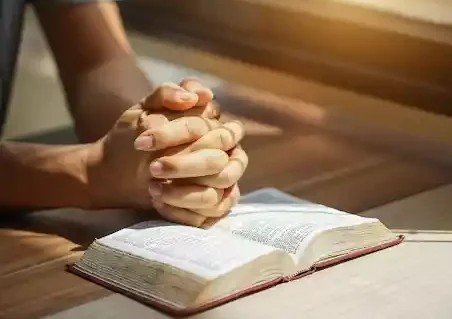
Beyond remembering history, Holy Week encourages spiritual reflection. Many Christians dedicate more time to prayer, scripture reading, and worship during this season.
This intentional pause allows us to examine their lives and reconnect with God. In a fast-paced world filled with distractions, the week provides space to meditate on Christ’s teachings and the meaning of discipleship.
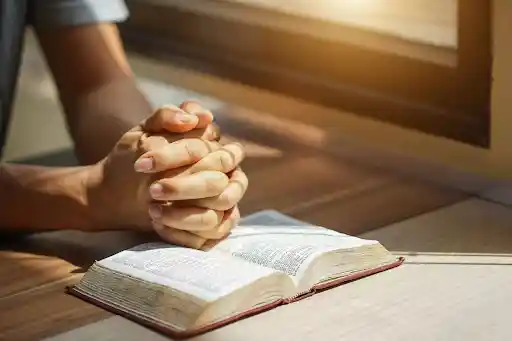
It is also a time when Christians seek the guidance of the Holy Spirit, asking for renewed faith and strength to live according to God’s will. The quiet reflection of Holy Week often leads to personal spiritual renewal, helping us refocus their priorities on what truly matters.
The Hope of Resurrection and Heaven
While Holy Week begins with sorrow and sacrifice, it ends with victory. Easter Sunday celebrates the resurrection of Jesus—a cornerstone of Christian belief.
The resurrection is not merely symbolic; it represents the promise that death is not the end. Because Christ rose from the grave, Christians believe that eternal life in Heaven is available to those who trust in Him.
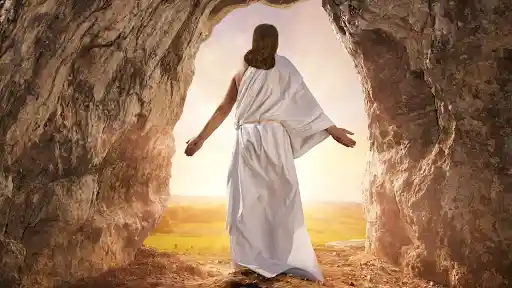
The resurrection assures us that suffering and injustice will ultimately be overcome. It reinforces the Christian hope that God’s plan is greater than the struggles of the present world.
In this way, Holy Week moves from darkness to light, from sacrifice to triumph.
Why Holy Week Still Matters Today
Even centuries later, Holy Week continues to hold deep meaning for Christians. It reminds us of the cost of grace, the depth of God’s love, and the hope of redemption.
Through worship, reflection, and fellowship in the church, Christians remember that the story of Holy Week is not just about the past—it is about the ongoing relationship between God and humanity.
Ultimately, Holy Week invites every Christian to pause, reflect, and rediscover the transformative message at the heart of the faith.
*Cover Photo/Thumbnail Photo from Learn Religions
RELATED ARTICLES
Lent vs Holy Week: Understanding the Key Differences
Most Popular Churches To Visit In The Philippines During Holy Week
Palm Sunday Meaning: Why It Matters to Christians Today
Preparing Your Heart Spiritually for Holy Week
![KV - Stop Rabies [3]](https://buzzbeatmedia.com/wp-content/uploads/bb-plugin/cache/KV-Stop-Rabies-3-600x400-landscape-d44233b96c72b0a8d538386ff166f6f4-.webp "KV - Stop Rabies [3]")