
Are “The Elite” Controlling Secret Societies?

SHARE
Throughout history, whispers have circulated about secret societies—groups like the Freemasons, the Knights Templar, Skull and Bones, and the Illuminati—operating behind closed doors with hidden knowledge and influence. These organizations, often populated by society’s wealthy and powerful, spark curiosity, fascination, and sometimes fear. Are these “elite” networks shaping our world in ways we cannot see?
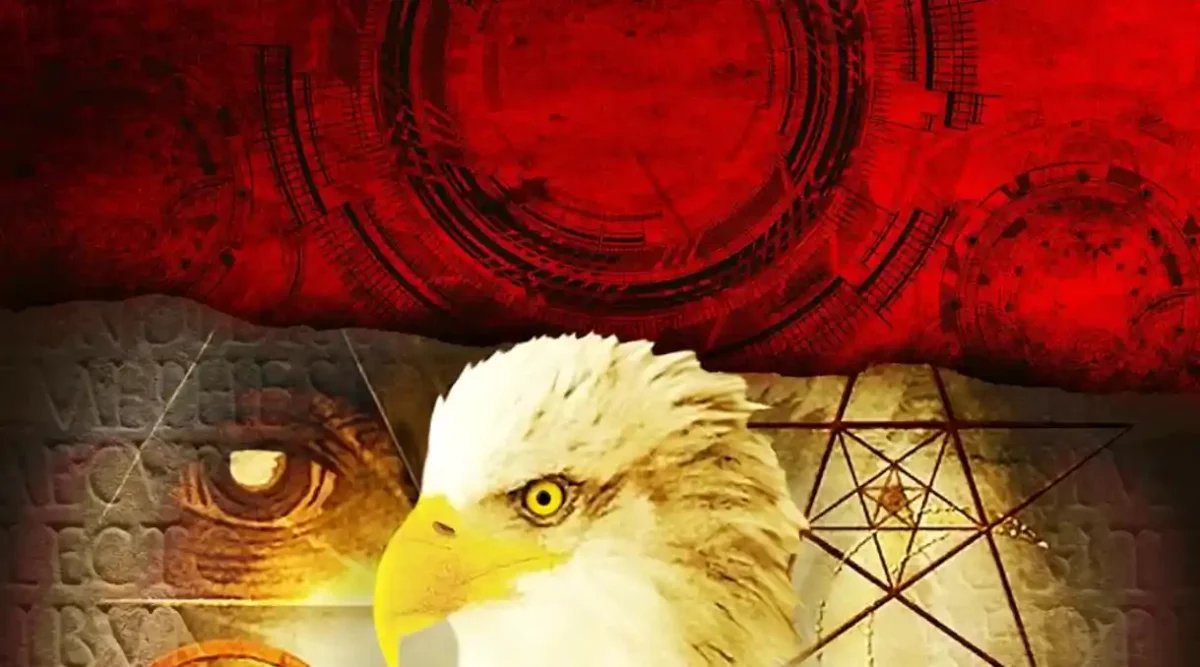
The Bible reminds us that earthly power is often veiled and deceptive. Proverbs 21:1 tells us, “The king’s heart is in the hand of the Lord; he directs it like a watercourse wherever he pleases.” Even those who seem to wield influence behind closed doors are ultimately under God’s sovereign hand. The concern arises when human ambition seeks control apart from God, potentially leading people into pride, manipulation, or secretive dealings that undermine justice and truth.
Historically, secret societies have attracted influential figures, from kings and politicians to businessmen and scholars. The Knights Templar, for instance, were both warriors and financiers, managing wealth across Europe while claiming religious devotion. Freemasons have included notable leaders of nations and culture. The Bavarian Illuminati sought to spread Enlightenment ideals among intellectual elites. Skull and Bones, founded at Yale, counted presidents among its members. Such groups often fostered networks that extended far beyond their original mission, creating channels of influence that ordinary citizens rarely see.

The question is not whether influence exists—of course it does—but whether such influence aligns with God’s justice and wisdom. Matthew 6:33 instructs, “But seek first the kingdom of God and His righteousness, and all these things shall be added to you.” God calls His people to discernment, not fear. Wealth, secrecy, and power are not inherently evil, but Scripture warns of the dangers when they become idols: “For the love of money is a root of all kinds of evil” (1 Timothy 6:10).
Christian reflection on secret societies should center on vigilance and prayer rather than paranoia. We are encouraged to “test all things; hold fast what is good” (1 Thessalonians 5:21). Secret societies may operate, but they cannot escape God’s ultimate authority. His plans surpass human scheming, and no amount of hidden meetings or elite gatherings can thwart His purposes.

As believers, our calling is to live transparently, with integrity and wisdom, rather than seeking hidden power or succumbing to fear of unseen elites. Psalm 33:12 reminds us, “Blessed is the nation whose God is the Lord, the people He has chosen for His own inheritance.” True influence comes not from secretive societies or exclusive networks but from alignment with God’s kingdom.
In the end, while secret societies may intrigue us and stir curiosity about the world’s hidden workings, Christians are guided by Scripture to trust God above human schemes, to pray for wisdom in leadership, and to pursue righteousness openly. The ultimate truth is this: nothing is hidden from God, and His purposes will prevail.
*Cover Photo/Thumbnail Photo from bibleart.com
RELATED ARTICLES
Called to Heal, But How Far? Doctors, Faith, Abortion
Why Easter Sunday Should Center on Jesus, Not the Bunny
What Easter Sunday Teaches Us About New Beginnings

The Day God Was Silent: What Black Saturday Teaches Us About Waiting