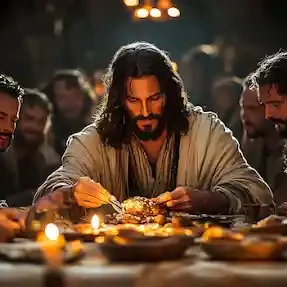

Black Saturday Reflections: What Christians Should Do

SHARE
Discover meaningful ways Christians and others can observe Black Saturday through reflection, prayer, and hope during Holy Week.

Black Saturday, nestled between Good Friday and Easter Sunday, is often the quietest day of Holy Week. It marks the time when Jesus lay in the tomb—a moment that can feel uncertain, even heavy. For Christians, this day is not just about waiting; it is about understanding what it means to trust God in silence.
The Bible gives us a glimpse of this stillness, “He was buried, and on the third day he rose again according to the Scriptures.” (1 Corinthians 15:4)
While the resurrection is promised, Black Saturday reminds us that there is a space between promise and fulfillment. It is a day that reflects real human experiences—moments when answers seem delayed and hope feels distant.
A Day for Reflection and Prayer

For Christians, one of the most meaningful things to do on Black Saturday is to pause. In a fast-moving world, this day invites a slower, more intentional rhythm. Spending time in prayer allows us to reflect on the sacrifice of Jesus and the depth of His love.
This is also a time to revisit the gospel story—not just its triumphant ending, but its difficult middle. Black Saturday challenges Christians to sit with the reality of loss before celebrating victory. It is in this tension that faith deepens.
Psalm 46:10 offers guidance for this posture, “Be still, and know that I am God.” Stillness is not inactivity—it is a spiritual discipline. It creates space to listen, to process, and to trust that God is working even when nothing seems to be happening.
For those who may not actively participate in church traditions, Black Saturday can still be a meaningful opportunity for quiet reflection. Whether through journaling, reading, or simply unplugging from daily distractions, the day offers a chance to think about life, purpose, and hope.
Living in Hope Before the Resurrection
Black Saturday ultimately points to a powerful truth: hope often exists before we can see it. For Christians, the resurrection of Jesus is certain, even if the disciples did not yet understand it on that day.
This has practical implications. It encourages us to trust God during uncertain seasons. It reminds them that silence does not mean absence, and waiting does not mean abandonment.
In many churches, Black Saturday is observed with quiet gatherings or prayer vigils. These practices reflect a shared anticipation—a community holding onto faith together. Even outside formal settings, individuals can embody this spirit by extending kindness, practicing patience, and choosing hope over despair.
For everyone, regardless of belief, Black Saturday offers a universal message: not every chapter is loud or clear, but it still matters. Growth often happens in unseen moments, and transformation can begin in silence.
As Easter approaches, Black Saturday stands as a bridge—a reminder that before joy comes waiting, and before light, there is stillness. For Christians, it is an invitation to trust the unfolding story of God, even when the ending has not yet arrived.
*Cover Photo/Thumbnail Photo from Crosswalk.com
RELATED ARTICLES
Why Didn’t Jesus Call On The Legions Of Angels During His Crucifixion

Were Michael and Uriel Present at the Crucifixion?
What Happened During the Last Supper? Meaning Explained

What Happened to Jesus at Gethsemane? Meaning and Lessons