


Christian Game Claims Ad Ban While Occult Game Allowed

SHARE
The tension between faith-based creativity and mainstream tech rules came to a head recently as TruPlay Games, a Christian entertainment platform, shared that its ads were repeatedly blocked while an occult-themed title continued to be widely promoted. It was a moment that felt a bit like watching two very different stories unfold on the same stage—one quietly pushed to the wings, the other spotlighted without question.

According to TruPlay, every attempt to advertise its Bible-centered, family-friendly games on platforms like Google and TikTok was met with violation notices. The reason? “You’re running religious content.” The message hit hard, especially coming from companies that routinely claim to champion openness and creativity. Founder Brent Dusing detailed the issue in a video that quickly made the rounds—his tone steady, but the frustration unmistakable as he emphasized how often the team had been flagged.
And yet, right beside these rejected ads, Dusing pointed out something that sparked even more conversation: promotions for “Diablo,” a game openly themed around dark, occult imagery, were running freely. For TruPlay, the contrast couldn’t have been more stark. A platform created to give children wholesome alternatives was being shut out, while a game soaked in demonic motifs was being ushered in without roadblocks. The irony wasn’t lost on anyone.
TruPlay’s mission feels almost handcrafted for today’s digital world. The platform offers games, comics, and videos filled with biblical truth, thoughtfully designed to help kids grow in their faith while navigating a screen-heavy culture. Dusing has often spoken about the reality that children spend nearly 50 hours a week on devices—time that can either build them up or expose them to harmful spaces. TruPlay aims squarely for the former. It’s gentle, imaginative, and anchored in values parents long to share with their kids.

That contrast becomes even more striking when held up against the documented problems in other child-oriented gaming platforms. Reports from watchdog groups like the National Center on Sexual Exploitation have repeatedly warned that popular online games leave young users vulnerable to predators, explicit content, and unfiltered communication with adults. Stories of grooming incidents, assault cases, and unsafe “condo experiences” in virtual worlds have only grown in number—an alarming trend that underscores why safe digital spaces matter.
Through all this, TruPlay stands as a kind of counter-movement: bright, intentional, and protective. Dusing describes the platform as “a faith-forward solution” created to help reverse troubling trends—everything from rising anxiety among kids to a sharp drop in belief in God across the younger generation. His hope is bold: to shape a generation by meeting children where they already are, inside their screens.

So when ads for this mission get repeatedly shut down, while occult-themed games are given a green light, it raises real questions about how tech policies are applied—and who gets caught in the crossfire. The debate isn’t just about ads; it’s about what kind of stories get to shine, and which ones are quietly told to step back.
For TruPlay, the fight isn’t over. And for families watching closely, the conversation feels more important than ever.
*Cover Photo/Thumbnail Photo from TruPlay
RELATED ARTICLES

Preparing Your Heart Spiritually for Holy Week
![KV - Stop Rabies [3]](https://buzzbeatmedia.com/wp-content/uploads/bb-plugin/cache/KV-Stop-Rabies-3-600x400-landscape-d44233b96c72b0a8d538386ff166f6f4-.webp "KV - Stop Rabies [3]")
Stop Rabies Empowers Communities Toward a Rabies-Free Philippines
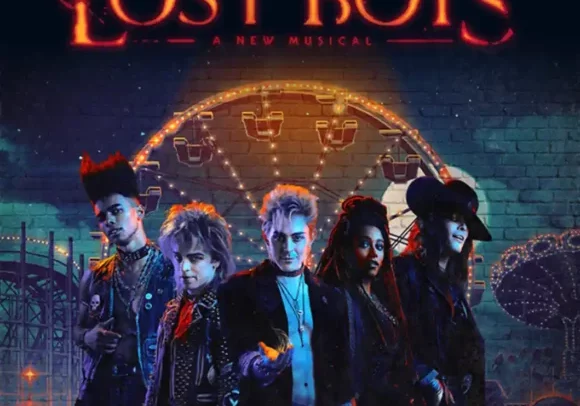
The Lost Boys: A New Musical arrives on Broadway tomorrow!

Duolingo Partners with Global Pop Star NIKI to Inspire Language Learning Among Indonesian Gen Z

Tencent Cloud and CGTrader Forge Strategic Partnership to Drive Next Generation AI-Powered 3D Content Creation