
Christianity in Iran: Churches, Converts, Population (Updated 2026)
SHARE
Christianity in Iran exists under strict regulation, yet it continues to grow in ways that are largely hidden from public view. Iran officially recognizes Christianity as a minority religion, but only within tightly controlled boundaries. State policy allows historic Christian communities to function while actively restricting evangelism and conversion from Islam. As of 2026, the landscape of Christian institutions in Iran reflects both institutional decline and underground expansion.
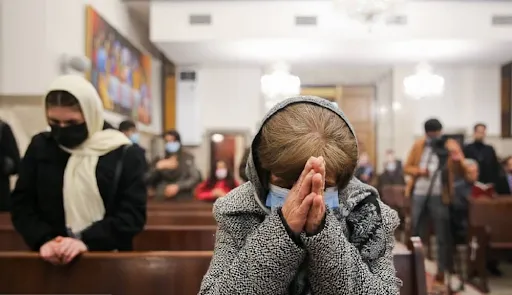
Iran’s legally recognized churches belong mainly to ethnic Christian groups, including Armenian Apostolic, Assyrian Church of the East, and Chaldean Catholic communities. According to U.S. State Department reporting, there are approximately 250 to 300 officially registered church buildings in Iran, concentrated primarily in Tehran, Isfahan, Urmia, and Tabriz. These churches are permitted to operate only for their own ethnic members. Services are conducted in Armenian or Assyrian languages, and Persian-language worship is generally prohibited. Muslim Iranians are not legally allowed to attend these churches, and security surveillance is common.
The population of officially recognized Christians has steadily declined over the past several decades due to emigration. Current estimates place the number of ethnic Christians between 250,000 and 300,000 people nationwide, down significantly from pre-1979 levels. Many families have left Iran for Europe or North America, citing economic pressure, political uncertainty, and religious restrictions. Despite this decline, historic churches continue to function, though under constant oversight.
In contrast, the most dramatic growth within Iranian Christianity is occurring outside official institutions. Independent house churches—unregistered gatherings meeting in private homes—form the core of the country’s evangelical movement. These churches are illegal under Iranian law, and participants face arrest, imprisonment, and charges related to national security. Nonetheless, house churches continue to multiply, particularly in urban areas.
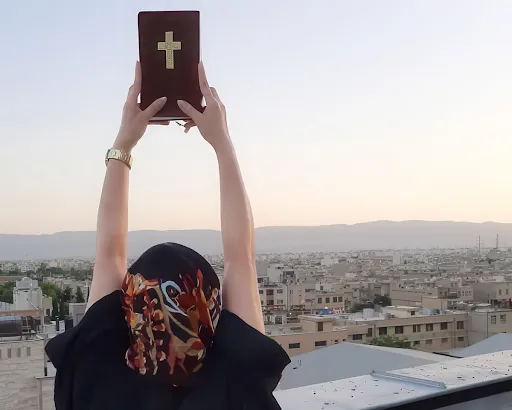
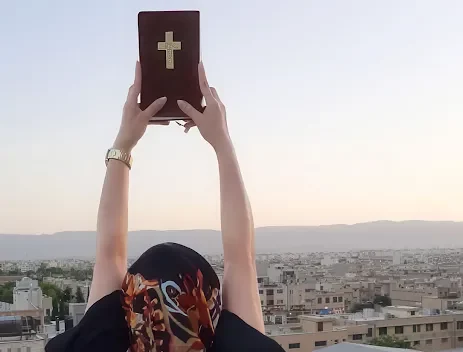
Estimating the number of converts from Islam to Christianity is difficult due to the clandestine nature of these communities. However, multiple academic and governmental assessments estimate that between 300,000 and 1,000,000 Iranians may now identify as Christian converts, making Iran home to one of the fastest-growing Christian movements in the Middle East . Many converts report encountering Christianity through satellite television, online media, or personal networks rather than traditional church structures.
When combining ethnic Christians and converts, the total Christian population in Iran is commonly estimated to range from 500,000 to over 1.2 million people. While exact figures remain impossible to verify, the trend is clear: institutional Christianity faces restriction and decline, while informal Christian belief continues to expand beneath the surface. As of 2026, Christianity in Iran survives through resilience rather than recognition, shaped by pressure, secrecy, and enduring faith under constraint.
*Cover Photo/Thumbnail Photo from persecution.com
RELATED ARTICLES

WORLD WATERPARK ASSOCIATION AWARD CELEBRATES VIETNAM’S AQUATIC ENTERTAINMENT RISE

‘NBA Cares x Sands Cares Community Impact Week 2026’ Attracts Over 2,900 Participants Across Five Days

QR Ph and InstaPay payments nearly triple, but cash-on-delivery remains highest in PH

NOVI Health expands its longevity offering and grows its physician-led team