

Jesus Set Boundaries. But Why?

SHARE
Many Christians admire Jesus for His compassion, miracles, and unwavering love. Yet, few stop to notice that Jesus also set clear boundaries—choices that were intentional, purposeful, and necessary. These boundaries weren’t selfish; they served safety, effectiveness, and spiritual clarity. Understanding why Jesus set limits can guide us in living balanced, faithful lives today.
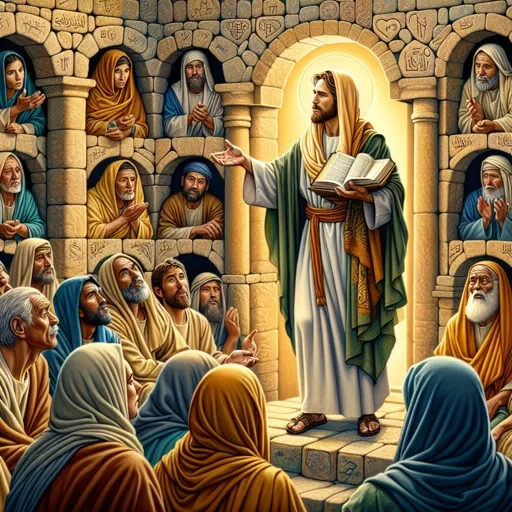
One of the first examples comes in Matthew 4:23–25. Jesus traveled from town to town, teaching, healing, and ministering to the crowds. Despite the large multitudes seeking Him, He often withdrew to pray alone (Mark 1:35). Here, Jesus set a boundary for spiritual renewal. Even the Son of God needed intentional time with the Father, modeling for us the importance of personal devotion and prayer. This boundary ensured His ministry remained effective and aligned with God’s will.
Boundaries also protected His safety and mission. When the crowds sought to make Him king after the feeding of the 5,000, Jesus withdrew to the mountains (John 6:15). He refused political or earthly power because it was not His God-given mission. By saying “no” to the immediate pressure of the crowd, Jesus maintained focus on the eternal purpose God assigned Him. Sometimes, saying no isn’t rejection—it’s protection for what God has entrusted us to do.
Jesus also set relational boundaries. In Matthew 10:5–8, He instructed His disciples to limit their ministry to specific areas and to avoid unnecessary conflicts. By defining where and how His disciples should work, Jesus ensured their efforts were both safe and spiritually fruitful. Boundaries can prevent burnout and distraction, guiding believers toward meaningful impact rather than chaotic activity.

Even in personal relationships, Jesus knew when to set limits. When Mary and Martha were distracted by household concerns, Jesus gently reminded Martha of what was most important: spending time at His feet in learning and devotion (Luke 10:41–42). Here, a boundary wasn’t about avoidance; it was about prioritization. Setting boundaries helps us focus on God’s mission rather than being consumed by lesser demands.
Finally, Jesus set boundaries in His confrontation with sin. He did not tolerate hypocrisy, false teaching, or evil influences (Matthew 23:13–36). By setting these spiritual boundaries, Jesus protected His followers and revealed God’s holiness. Boundaries can sometimes feel uncomfortable to others, but they honor God and safeguard the integrity of His work.
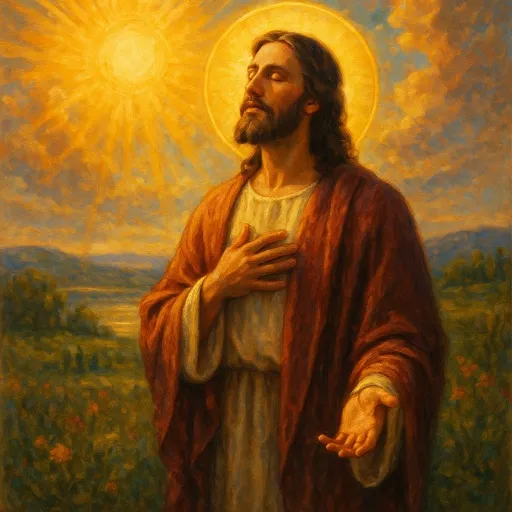
Amid constant demands and endless expectations, Jesus’ example teaches us that setting boundaries is an act of wisdom, not weakness. They protect, guide, and preserve spiritual vitality. By following Christ’s example, we can learn to say “no” when necessary, step back for renewal, and focus on the tasks God has entrusted to us.
Jesus’ boundaries were intentional, loving, and powerful. They show us that setting limits isn’t about selfishness—it’s about faithfully living out God’s purpose.
*All Photos from bibleart.com
RELATED ARTICLES

Called to Heal, But How Far? Doctors, Faith, Abortion

Why Easter Sunday Should Center on Jesus, Not the Bunny

What Easter Sunday Teaches Us About New Beginnings

The Day God Was Silent: What Black Saturday Teaches Us About Waiting