
Lessons from the Parable of the Wedding Feast
SHARE
Discover key lessons from the Parable of the Wedding Feast and how it reveals God’s invitation, faith, and readiness for Heaven.
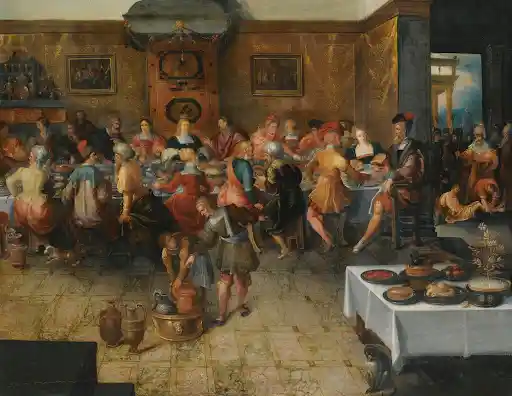
The Parable of the Wedding Feast, found in the Bible (Matthew 22:1–14), is one of the most thought-provoking teachings of Jesus. At first glance, it appears to be a simple story about a king hosting a wedding banquet. But when examined closely, it reveals deep spiritual truths about God, His invitation to humanity, and the nature of true faith. For Christians, this parable is not just a story—it’s a call to reflect on our response to God’s grace. As stated in Matthew 22:2, “The kingdom of heaven is like a king who prepared a wedding banquet for his son.”
God’s Invitation Is Open to All
One of the clearest lessons from the parable is that God’s invitation is extended to everyone. In the story, the king initially invites specific guests, but they refuse to come. As a result, he sends his servants to invite anyone they can find—both good and bad.

This reflects the inclusive nature of God’s kingdom. Heaven is not reserved for a select few based on status or background. Instead, God invites all people into a relationship with Him. Through the message of the gospel, the church continues to share this invitation today.
However, the parable also shows that not everyone accepts this offer. Some ignore it, while others reject it outright. This reminds us that while God’s grace is freely given, it still requires a response. Accepting His invitation involves humility, repentance, and a genuine turning toward Him through faith.
The Importance of Spiritual Readiness
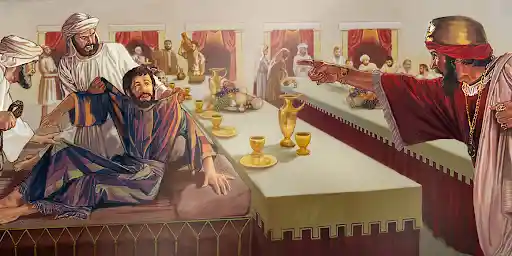
The most striking part of the parable comes when a guest is found without proper wedding attire. Despite being invited, he is cast out because he was not prepared.
In Matthew 22:14, it states that, “For many are invited, but few are chosen.” This detail emphasizes that accepting God’s invitation is not enough—we must also be spiritually ready. The “wedding garment” is often understood as righteousness, symbolizing a transformed life through the work of the Holy Spirit. It reflects a heart that has been changed, not just outward participation.
In practical terms, this means living out our beliefs daily. Regular prayer, obedience, and a sincere relationship with God are essential. It’s not about perfection, but about authenticity and a willingness to grow in spiritual maturity.
Responding with Genuine Faith
Ultimately, the Parable of the Wedding Feast challenges us to examine our response to God’s call. Are we ignoring it, taking it lightly, or fully embracing it with genuine commitment?
The parable highlights a key truth: being associated with the church or identifying as a Christian is not enough. What matters is a sincere relationship with God, rooted in faith and demonstrated through a transformed life.
This story also serves as encouragement. God continually reaches out, inviting us into something greater—a place in His eternal kingdom. His desire is not exclusion, but relationship. Through Jesus, the door to Heaven is open, but it is up to each individual to step through it.
In the end, the Parable of the Wedding Feast reminds us that God’s invitation is both a gift and a responsibility. It calls us to respond, prepare, and live in a way that reflects His grace.
*Cover Photo/Thumbnail Photo Word on Fire
RELATED ARTICLES
Questions About the Messiah: Meaning and Biblical Truth

History Lovers and Foodies, This Is Where Your Binondo Trip Starts
How Many Witnesses Saw Jesus’ Greatest Miracles?

Perez Hilton Tearfully Shares Encounter With God