
Nicaragua Blocks Tourists from Bringing Bibles Inside Borders
SHARE
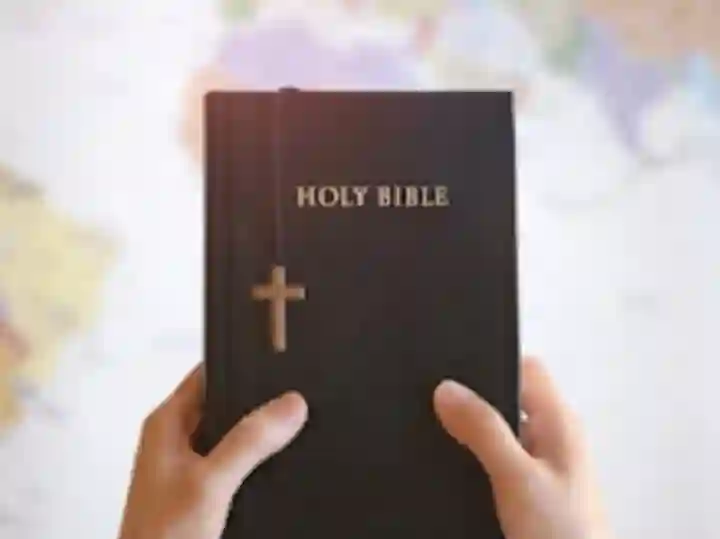
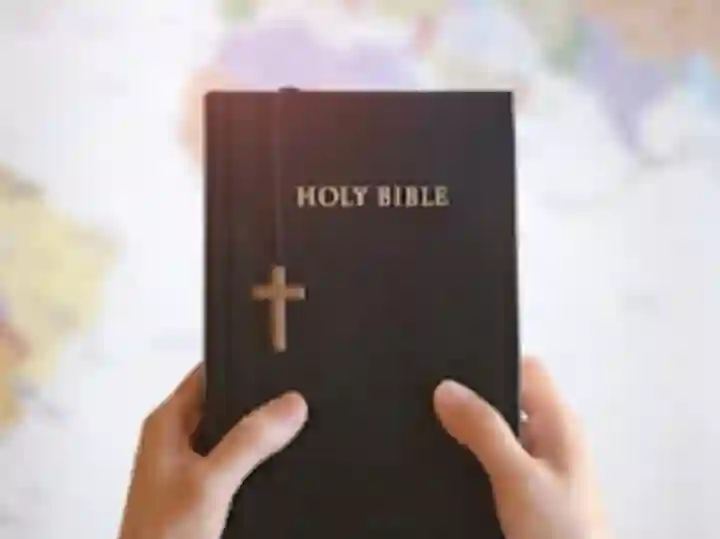
Reports that Nicaragua is preventing tourists from carrying bibles into the country have alarmed Christians around the world and raised serious concerns about religious freedom. According to Christian Solidarity Worldwide, notices posted at Tica Bus terminals in Costa Rica warn travelers that books, magazines, newspapers, and even the Bible are prohibited items when entering Nicaragua. What should be an ordinary journey has become a stark reminder that scripture itself is now treated as a threat by the state.
The ban, reportedly enforced for about six months, places the Bible alongside knives, perishable foods, cameras, and drones on a list of forbidden items. While governments have the authority to regulate borders, restricting the entry of God‘s Word crosses a moral and spiritual line. Hebrews 4:12 declares that “the word of God is living and active,” and history repeatedly shows that oppressive regimes fear its power to convict hearts and inspire truth.
Anna Lee Stangl of Christian Solidarity Worldwide has urged President Daniel Ortega and his government to lift the ban immediately, calling it deeply troubling in the context of ongoing repression. Her warning echoes the reality faced by believers within Nicaragua, where churches and ministries have endured closures, surveillance, and intimidation. When access to scripture is limited, it is not merely paper being blocked, but hope, guidance, and comfort for God’s people.
This action fits a broader pattern. Since 2018, thousands of independent organizations, including more than a thousand religious groups, have lost their legal status. Pastors have been jailed, ministries shut down, and public Christian expression curtailed. Nicaragua’s withdrawal from the U.N. Human Rights Council following international condemnation further underscores its resistance to accountability. The church, once one of the few institutions willing to speak against injustice, has been deliberately weakened.
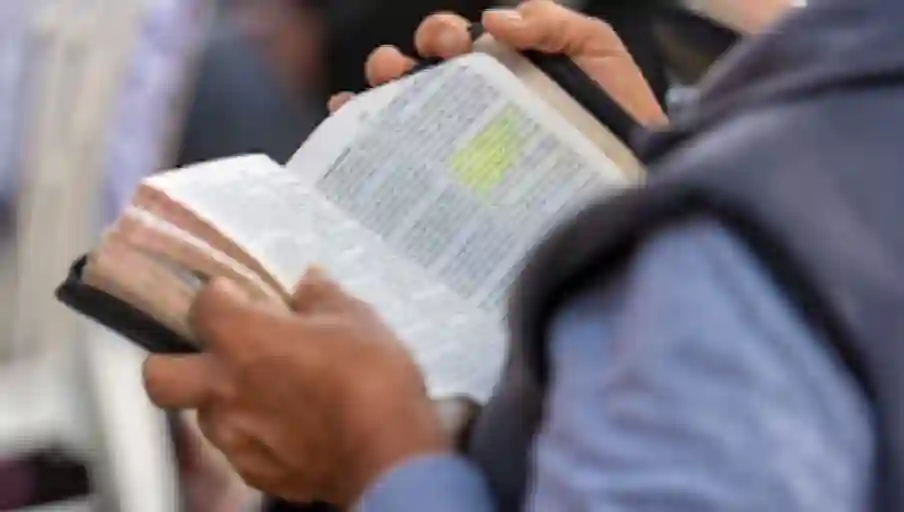
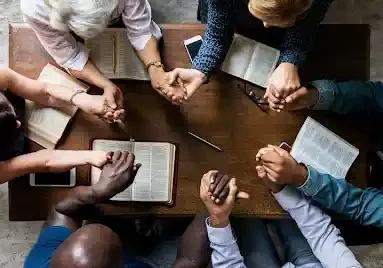
For Christians, this moment calls for discernment and prayer rather than despair. Scripture reminds us that “the grass withers, the flower fades, but the word of our God will stand forever” (Isaiah 40:8). Governments may attempt to confiscate physical bibles, but they cannot erase the gospel written on believing hearts. Throughout history, persecution has often strengthened faith rather than extinguished it.
Believers outside Nicaragua also have a responsibility. Prayer, advocacy, and support for persecuted Christians are not optional acts of compassion; they are biblical mandates. Proverbs 31:8 urges God’s people to “speak up for those who cannot speak for themselves.” International pressure and creative support for independent Christian voices, both inside Nicaragua and in exile, remain essential.
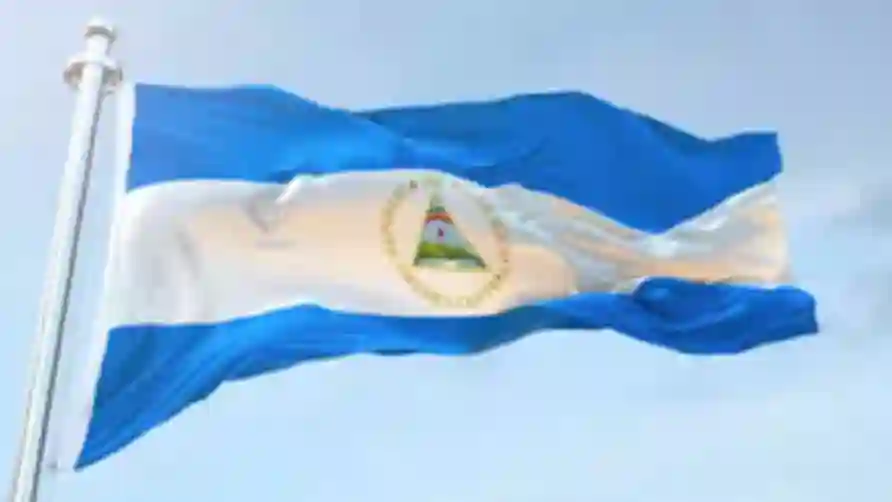
Banning Bibles at the border reveals a deeper spiritual conflict. Ephesians 6:12 reminds us that our struggle is not merely against flesh and blood. While policies may change and regimes rise and fall,
Christ‘s church endures. The attempt to silence Scripture only confirms its enduring power and the urgent need to stand firm in faith, truth, and prayer.
May the global church remain vigilant, united, compassionate, courageous, and unwavering, trusting God to open doors no authority can permanently close or seal by force.
*Cover Photo/Thumbnail Photo from istockphoto.com
RELATED ARTICLES

Called to Heal, But How Far? Doctors, Faith, Abortion
Why Easter Sunday Should Center on Jesus, Not the Bunny
What Easter Sunday Teaches Us About New Beginnings

The Day God Was Silent: What Black Saturday Teaches Us About Waiting