

Palm Sunday Meaning: Why It Matters to Christians Today
SHARE
Discover the significance of Palm Sunday, its meaning in the Bible, and why Christians see it as the beginning of Holy Week and a reminder of Jesus’ mission.
For many Christians around the world, Palm Sunday marks the beginning of Holy Week, one of the most meaningful periods in the Christian calendar. It commemorates the moment when Jesus entered Jerusalem before His crucifixion, an event recorded in the Bible and remembered as both a celebration and a solemn reminder of what was to come.
Palm Sunday is significant not only because of what happened historically, but also because of the deeper message it communicates about faith, humility, and the fulfillment of God’s promises. The story reminds Christians of how the gospel began to unfold in a powerful way during the final days of Jesus’ earthly ministry.
The Triumphal Entry of Jesus
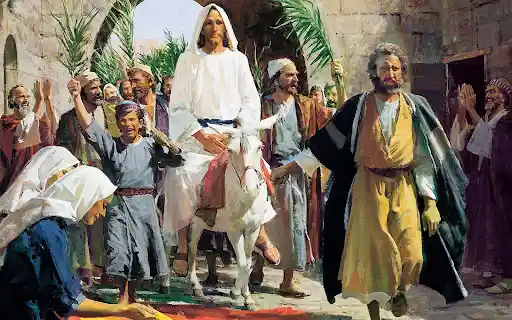
The significance of Palm Sunday comes from the event often called the Triumphal Entry. According to the Bible, Jesus rode into Jerusalem on a donkey while crowds welcomed Him with palm branches and joyful praise. The people believed He was the promised King who would bring deliverance.
One of the clearest descriptions appears in Matthew 21:8–9, “A very large crowd spread their cloaks on the road, while others cut branches from the trees and spread them on the road. The crowds that went ahead of Him and those that followed shouted, ‘Hosanna to the Son of David! Blessed is He who comes in the name of the Lord! Hosanna in the highest heaven!’”
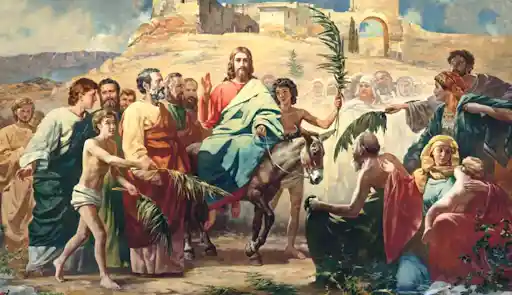
Palm branches were symbols of victory and celebration in ancient Jewish culture. By waving them and laying them on the road, the crowd was publicly honoring Jesus as a royal figure. Yet, the way He entered the city revealed something deeper about His mission.
Instead of arriving with political power or military strength, Jesus came riding on a humble donkey—fulfilling the prophecy found in Zechariah 9:9, “See, your king comes to you, righteous and victorious, lowly and riding on a donkey.” This moment demonstrated that God’s kingdom operates differently from worldly expectations.
A Turning Point in Holy Week
Palm Sunday is significant because it begins the sequence of events that lead to the crucifixion and resurrection of Jesus. What started as a joyful welcome would soon turn into rejection and suffering.
Within just a few days, many of the same voices that cried “Hosanna” would call for His crucifixion. This contrast reveals an important lesson for Christians: human expectations often misunderstand God’s greater plan.
Rather than establishing an earthly kingdom, Jesus came to accomplish something far more significant—bringing salvation through His sacrifice. Palm Sunday therefore reminds us that the path to redemption involved humility, obedience, and ultimately the cross.
What Palm Sunday Means for Christians Today
For modern Christians, Palm Sunday is more than a historical remembrance. It is an invitation to reflect on how people respond to Jesus in their own lives.

The crowds welcomed Him enthusiastically, but many did not fully understand His purpose. Today, we are encouraged to examine their own faith and commitment to following Christ beyond moments of celebration.
Palm Sunday also prepares the church to enter Holy Week with the right perspective. It begins with praise but leads toward reflection on sacrifice, grace, and the hope found in the resurrection.
Ultimately, the significance of Palm Sunday lies in its reminder that God’s plan unfolds in ways that may seem unexpected. Through the humble entrance of Jesus into Jerusalem, the gospel story moved closer to its central message—that through Christ’s love and sacrifice, humanity can be restored to God.
*Cover Photo/Thumbnail Photo from Churchofjesuschrist.org
RELATED ARTICLES
![KV - Stop Rabies [3]](https://buzzbeatmedia.com/wp-content/uploads/bb-plugin/cache/KV-Stop-Rabies-3-600x400-landscape-d44233b96c72b0a8d538386ff166f6f4-.webp "KV - Stop Rabies [3]")
Stop Rabies Empowers Communities Toward a Rabies-Free Philippines
The Lost Boys: A New Musical arrives on Broadway tomorrow!

Duolingo Partners with Global Pop Star NIKI to Inspire Language Learning Among Indonesian Gen Z

Tencent Cloud and CGTrader Forge Strategic Partnership to Drive Next Generation AI-Powered 3D Content Creation