


The Bible’s Warning About Judging Others

SHARE
Before criticizing others, Jesus offered a surprising lesson on humility. Discover the meaning behind the Speck and the Log parable.
Judging others has become almost second nature in today’s world. Social media, public debates, and everyday conversations often encourage people to evaluate, criticize, and compare one another. Yet long before the digital age, Jesus addressed this human tendency through one of His most memorable illustrations: the Parable of the Speck and the Log.
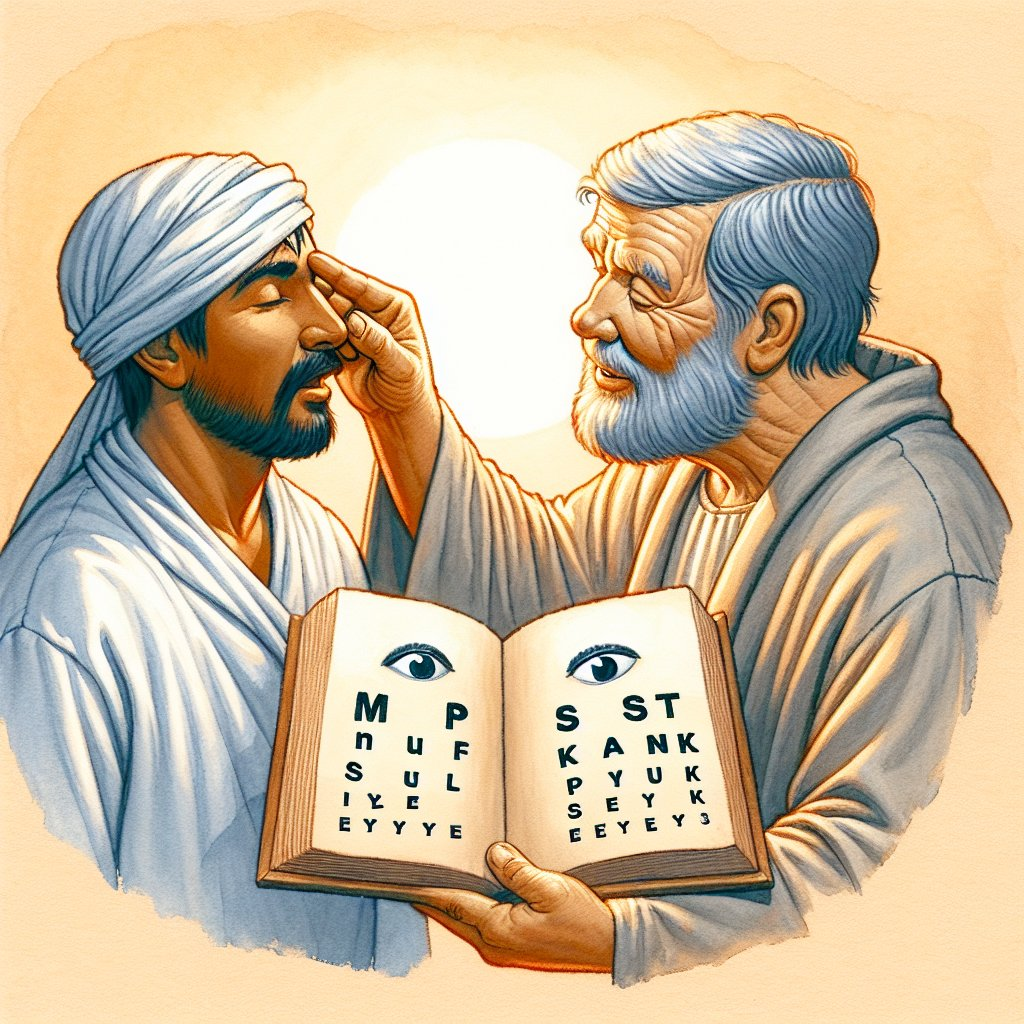
Found in Matthew 7:1-5, this teaching remains one of the Bible‘s clearest lessons on humility and self-examination. More than a warning against criticism, it reveals what God desires from those who seek to follow Him.
The Meaning Behind the Speck and the Log
As written in Matthew 7:1, during the Sermon on the Mount, Jesus told His listeners, “Do not judge, or you too will be judged.”
He then presented a vivid image. A person notices a tiny speck of sawdust in another person’s eye while ignoring a large log on their own. Jesus asked how someone could offer correction to another while being blind to their own shortcomings.
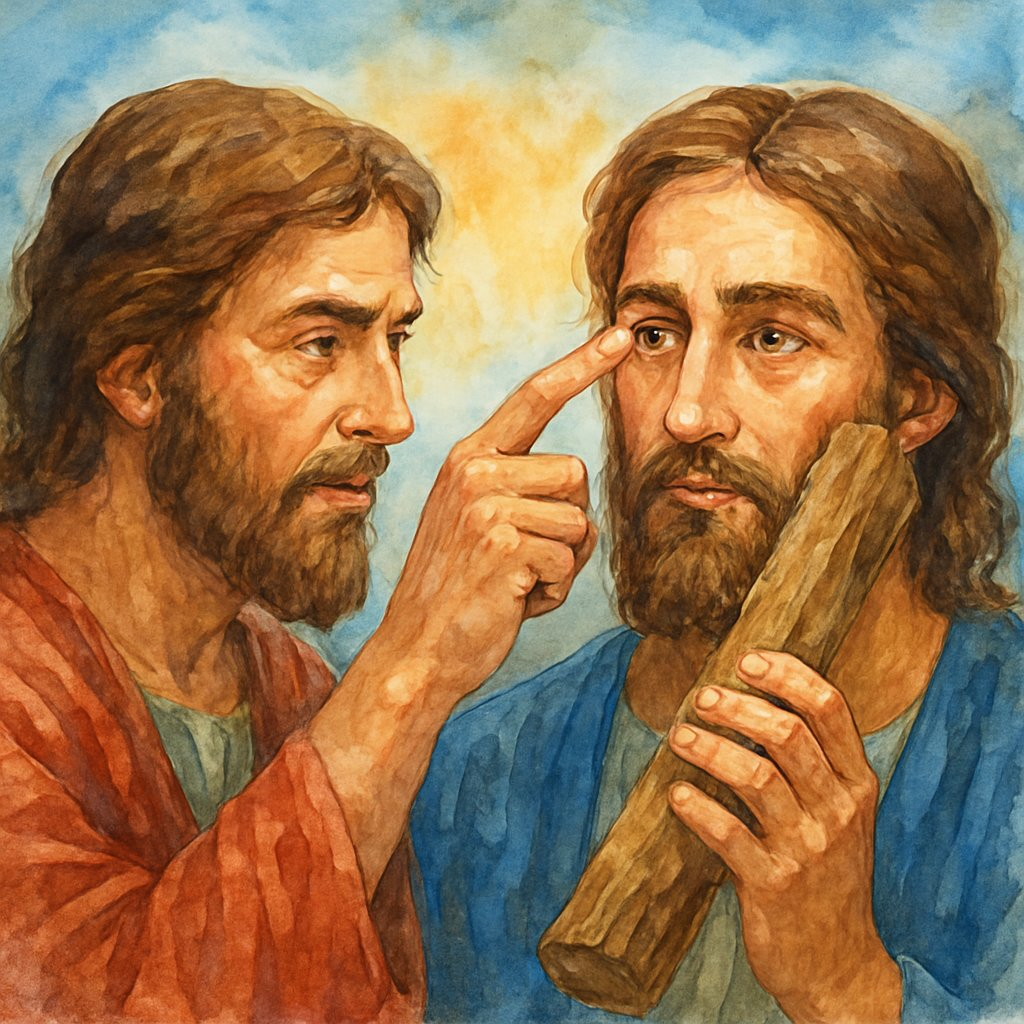
The illustration would have likely drawn laughter from the crowd because of its exaggeration. Yet beneath the humor was a serious lesson. Jesus was exposing the hypocrisy that often accompanies judgment. People are frequently quick to identify flaws in others while overlooking their own weaknesses.
This teaching was especially significant for the religious culture of the time. Many people in Israel believed that outward obedience and public appearances were indicators of righteousness. However, Jesus consistently emphasized that God looks beyond external behavior and examines the heart.
Why Jesus Warned Against Judging Others
The parable does not suggest that we should ignore wrongdoing or abandon discernment. Instead, Jesus challenged His disciples to address their own spiritual condition before attempting to correct someone else.
At the heart of judgment is often a spirit of pride. When people focus on the failures of others, they may avoid confronting their own need for growth and repentance. The Bible repeatedly teaches that all people fall short of God’s standard and depend on His mercy.

The gospel reminds Christians that salvation is not earned through moral superiority but received through faith in Jesus Christ. Recognizing this truth should cultivate humility rather than self-righteousness.
When we remember the grace they have received, they are better equipped to respond to others with patience and compassion. Rather than condemning people, they can seek to help and encourage them in a spirit of love.
Practicing Humility in Everyday Life
Jesus concluded the illustration by instructing people to first remove the log from their own eye. Only then would they be able to see clearly enough to help someone else with their speck.
This sequence is important. Self-examination comes before correction. Reflection comes before criticism.
For Christians, prayer is one of the most effective ways to develop this mindset. As we seek guidance from the Holy Spirit, they become more aware of their own attitudes, motives, and areas for growth. This awareness fosters humility and strengthens relationships within the church and beyond.
Another helpful practice is to approach others with the same grace that God extends to His people. Instead of assuming the worst, we can choose understanding, recognizing that everyone is on a journey of spiritual growth.
The Parable of the Speck and the Log continues to challenge readers today. In a culture where criticism is often celebrated, Jesus calls His followers to something different. He invites them to examine their own hearts before judging others and to extend mercy rather than condemnation.
Ultimately, the lesson is not that Christians should never address sin or speak truth. Rather, it is that they should do so with humility, compassion, and an awareness of their own need for God’s grace. In doing so, they reflect the character of Christ and become more faithful disciples of His teaching.
*Cover Photo/Thumbnail Photo from BibleArt
RELATED ARTICLES

PUMA Launches SM Megamall Store with Interactive In-Store Games

Beijing Marriott Marquis Hotel Hosts China Open Delegation During Its Opening Weeks

Bible Verses for Overcoming Depression

Alaska Airlines and Hawaiian Airlines to introduce new chef-curated menus and premium wine program for international Suites guests