
The Hidden Meaning Behind the Parable of the Sower
SHARE
Why did Jesus compare faith to scattered seeds? Explore the timeless lessons of the Parable of the Sower and what they mean for Christians today.
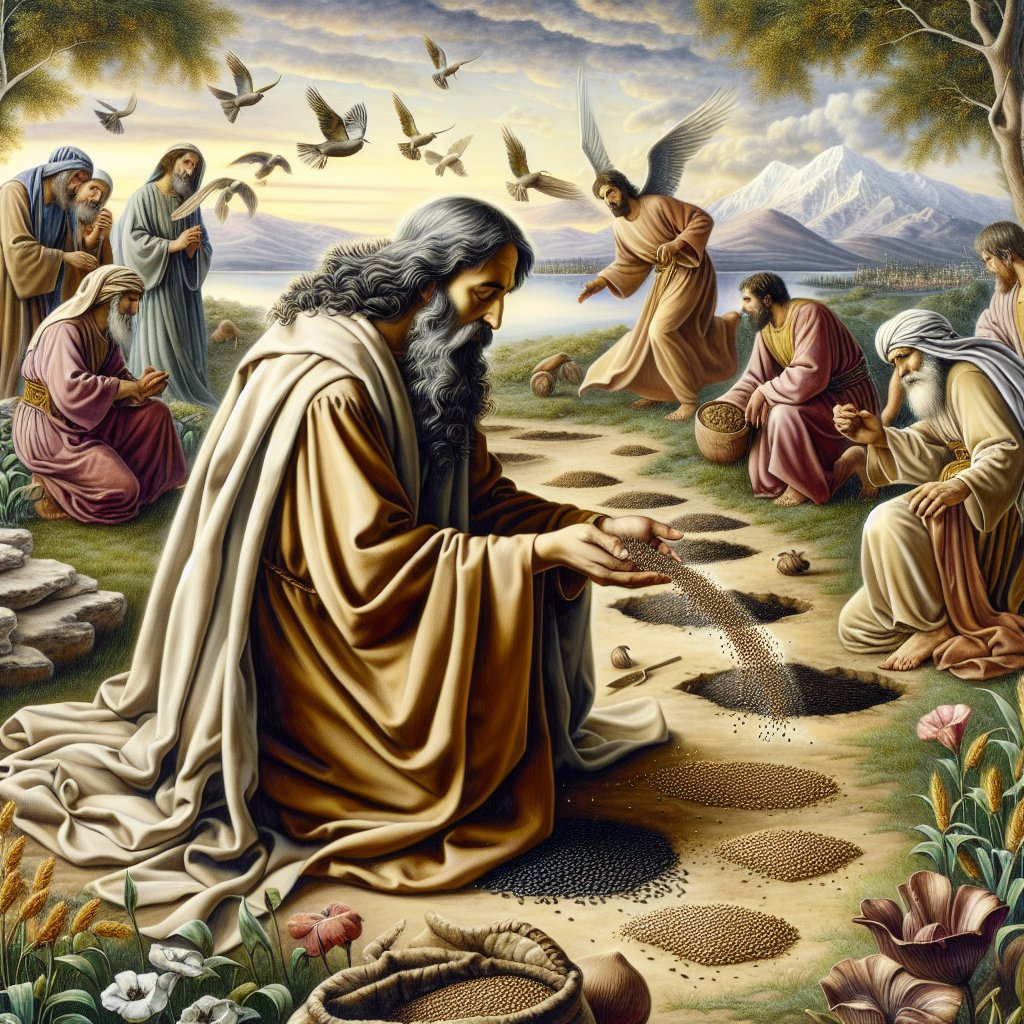
Image: Bible Art
Jesus often taught through parables—simple stories that revealed profound spiritual truths. Among His most well-known teachings is the Parable of the Sower, recorded in Matthew 13:1–23, Mark 4:1–20, and Luke 8:4–15. At first glance, it appears to be a story about farming, but Jesus explains that it is actually about how people respond to the Word of God.
The parable remains just as relevant today because it challenges us to examine our own hearts. It reminds Christians that hearing the gospel is only the beginning. What truly matters is how we receive it and whether it transforms the way we live.
The Condition of the Heart Matters
In the parable, Jesus describes a farmer scattering seed onto four different types of soil: the path, rocky ground, thorny ground, and good soil. The seed represents the Word of God, while the different soils symbolize the condition of the human heart.
In Matthew 13:23, it is written, “But the seed falling on good soil refers to someone who hears the word and understands it. This is the one who produces a crop, yielding a hundred, sixty or thirty times what was sown.”
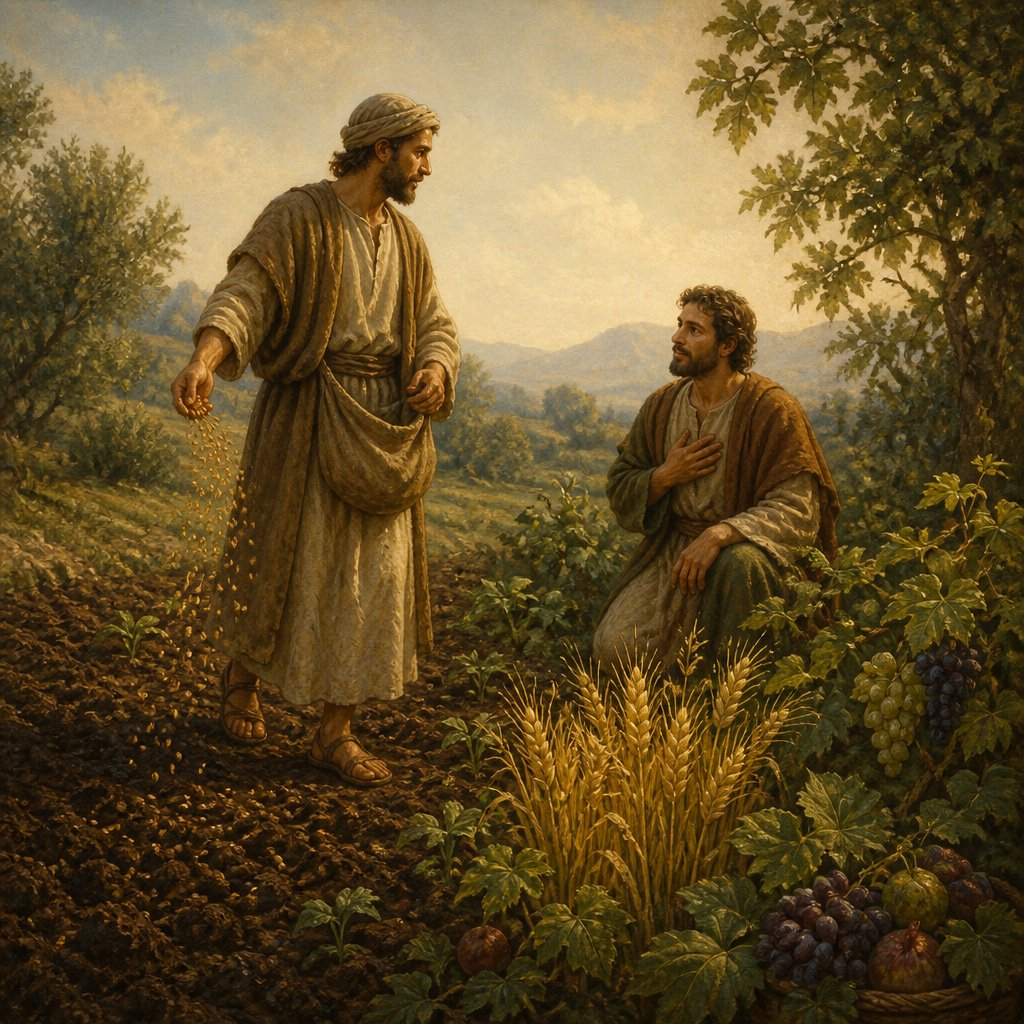
Image: Bible Art
The story reminds us that the message itself never changes. Instead, the difference lies in how people respond. Some reject it immediately. Others receive it with excitement but lose their faith when difficulties arise. Still others allow life’s worries and the pursuit of wealth to crowd out spiritual growth.
For Christians, this is an invitation to honestly ask whether our hearts are open, distracted, or hardened. Regular prayer, time in the Bible, and a willingness to listen to the Holy Spirit help cultivate hearts that are ready to receive God’s truth.
Spiritual Growth Requires More Than Hearing
One of the most important lessons from the Parable of the Sower is that simply hearing God’s Word is not enough. Genuine spiritual growth happens when we allow it to shape our choices, attitudes, and priorities. Jesus later explained in Mark 4:9, “Whoever has ears, let them hear.”

Image: Bible Art
This statement is a call to active listening. It means approaching Scripture with humility and allowing God’s message to influence everyday life. Growing in Christ involves more than gaining knowledge; it involves obedience, perseverance, and trust even when circumstances become difficult.
This is why participation in a healthy church community and learning alongside other disciples can strengthen our walk with God. Encouragement, accountability, and shared worship help us continue producing spiritual fruit despite life’s challenges.
The Parable Is an Invitation to Examine Our Lives
The Parable of the Sower is not intended to make us judge others. Instead, it encourages personal reflection. The condition of our hearts is not fixed forever. Through repentance, obedience, and God’s grace, hardened or distracted hearts can become fertile soil.
The story also offers hope. God continues to scatter His Word generously, giving people repeated opportunities to respond. As we seek Him consistently, our lives can increasingly reflect His character and purpose while pointing others toward Heaven.
Ultimately, the Parable of the Sower teaches that God’s Word has the power to transform lives—but only when it is welcomed, nurtured, and lived out. As Christians continue to grow in their relationship with Christ, they become evidence that seeds planted in good soil can produce a harvest that honors God for generations.
*Cover Photo/Thumbnail Photo from: Bible Art
RELATED ARTICLES

Ball Over Everything in NBA®2K27 Now Available

Become the Pinnacle Life form with Loveless the Hacker in the New Borderlands 4 Gameplay Spotlight, DevCast, and Character Short

WHAT HAPPENS WHEN WE STOP TREATING PEOPLE AS DISPOSABLE?

Marco Gallo and L.A Aguinaldo look for love in regional reality dating show WINGMAN