
The King Who Learned Too Late

SHARE
The story of King Belshazzar stands as one of Scripture’s most sobering warnings about pride, irreverence, and delayed repentance. Recorded in Daniel chapter five, his downfall happened not over years, but in a single night. What makes his fall so tragic is not ignorance, but knowledge. Belshazzar knew the truth and chose to ignore it.

Belshazzar was ruling Babylon during a time of great wealth and military confidence. While enemies surrounded the city, he hosted a lavish feast, displaying arrogance rather than humility. In a shocking act of defiance, he ordered the sacred vessels taken from the temple in Jerusalem to be used for drinking wine. “They drank wine and praised the gods of gold and silver, bronze and iron, wood and stone” (Daniel 5:4). What was holy was treated as common, and God was openly mocked.
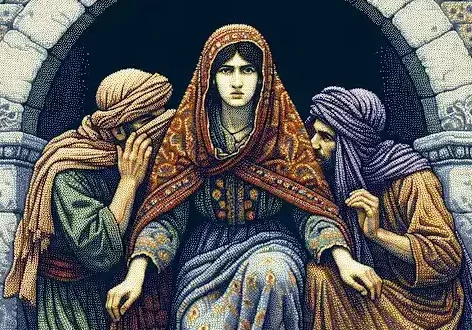
Suddenly, the celebration stopped. A mysterious hand appeared and wrote words on the palace wall. Fear gripped the king. “Then the king’s countenance changed, and his thoughts troubled him” (Daniel 5:6). None of Babylon’s wise men could interpret the message, and Daniel was summoned. Daniel did not flatter the king. Instead, he reminded Belshazzar of King Nebuchadnezzar’s humbling and said, “You his son, Belshazzar, have not humbled your heart, although you knew all this” (Daniel 5:22).
The message was clear: God had weighed the king’s life and found it lacking. “You have been weighed in the balances, and found wanting” (Daniel 5:27). Belshazzar’s sin was not merely arrogance, but willful rebellion. He understood God’s power, witnessed His judgment on others, yet refused to respond with repentance. Knowledge without obedience led to destruction.
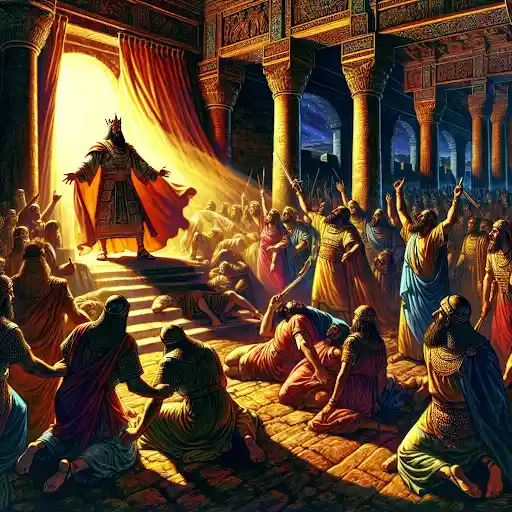
That very night, Babylon fell. “That very night Belshazzar, king of the Chaldeans, was slain” (Daniel 5:30). There was no opportunity for a second chance. His kingdom, his authority, and his life were taken in a moment. What he believed to be secure vanished instantly.
Belshazzar’s story speaks powerfully to believers today. It reminds us that religious knowledge alone does not protect the heart. We can be familiar with Scripture, aware of God’s works, and still resist His authority. God calls His people to humility, reverence, and timely repentance. “God resists the proud, but gives grace to the humble” (James 4:6).
The king learned too late that God will not be mocked. His fall urges us to examine our own lives while there is still time. When God speaks, obedience should be immediate. The tragedy of Belshazzar is not simply that he fell, but that he could have responded differently. His story challenges us to honor God now, before the writing is on the wall.

For Christians, this account encourages vigilance. Every day offers a choice between pride and surrender. The Lord is patient, yet His warnings are real. Belshazzar ignored mercy until judgment arrived. May we respond quickly, treasure what is holy, and live with awe, remembering that faithfulness today guards our hearts from regret tomorrow and keeps our witness pure before God alone.
*Cover Photo/Thumbnail Photo from bibleart.com
RELATED ARTICLES

Lessons from Eleazar’s Death in the Bible Explained

Gratitude to God and Positivity: A Life-Changing Faith

Your Guide to Broadway’s Starry Spring Season!

Watch On-Demand: Secure Your Zero Trust Strategy with Arcserve