

The Sacrificial Shepherd, Abel

SHARE
From the earliest chapters of human history, the story of faith, obedience, and devotion emerges in striking clarity. One figure stands out as a model of unwavering commitment to God, even in the face of jealousy and tragedy. He is remembered for offering his best to the Lord and exemplifying a heart aligned with divine will.

In the biblical narrative, Abel is the second son of Adam and Eve, introduced in Genesis 4:2-4. While his older brother, Cain, tilled the soil, Abel tended flocks, becoming a shepherd. His vocation, though humble, was significant, for it symbolized dedication and care. When it came time to bring an offering to God, Abel presented the finest portions of his flock, demonstrating both gratitude and reverence. Scripture highlights this distinction: “By faith Abel offered to God a more acceptable sacrifice than Cain, through which he was commended as righteous, God commending him by accepting his gifts” (Hebrews 11:4).
Abel’s life is a testament to integrity and devotion. He didn’t merely perform ritual; he brought his heart to God. His example contrasts sharply with Cain, whose offering reflected a lack of sincere faith. This contrast underscores a profound biblical principle: God values the heart behind the offering as much as the act itself. Abel’s actions show that honoring God requires intentionality, sacrifice, and faith that goes beyond superficial compliance.
The tragic outcome of Abel’s devotion also carries a deep lesson. Driven by envy, Cain murdered Abel, committing the first recorded act of fratricide (Genesis 4:8). Yet even in death, Abel’s faith speaks louder than his demise. The Bible remembers him as righteous, a man whose life was pleasing to God, leaving a legacy of fidelity that echoes through generations. His story reminds believers that righteousness often involves risk and may not be rewarded in worldly terms, but it holds eternal significance.
Abel’s example extends beyond his historical context. His devotion challenges modern readers to examine their own hearts: Are we giving God our best, or merely what is convenient? Like Abel, faith calls for offerings that reflect our gratitude, trust, and recognition of God’s supremacy. As 1 John 3:12 reminds us, the envy that led to Abel’s death contrasts with the love and obedience God desires in His children.
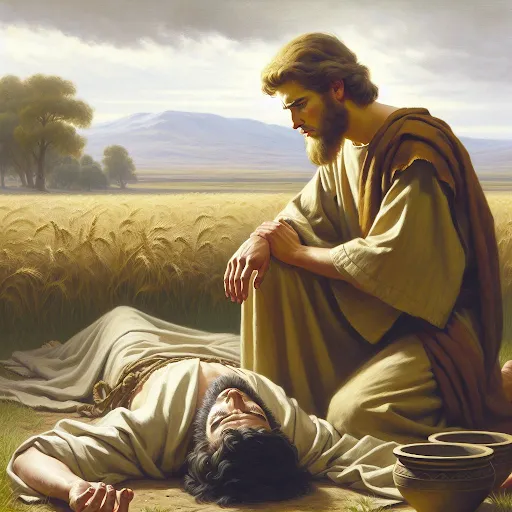
Abel is more than a figure from Genesis; he embodies the principle that faithfulness and sincere worship honor God above all else. Even in a world fraught with rivalry and wrongdoing, his story encourages believers to pursue righteousness, offer their best, and trust that God sees what the world often overlooks. His life, though brief, leaves a powerful spiritual imprint—a reminder that a heart devoted to God transcends time, leaving a legacy of true faith and unwavering obedience.
*All Photos from bibleart.com
RELATED ARTICLES

Were Michael and Uriel Present at the Crucifixion?

Lessons from Jesus Healing the Soldier’s Ear at Gethsemane
What Happened During the Last Supper? Meaning Explained

What Happened to Jesus at Gethsemane? Meaning and Lessons