
Why Jesus Was Rejected in His Hometown and Why It Matters

SHARE
Explore the meaning behind Jesus’ rejection at Nazareth and discover timeless lessons about faith, humility, and recognizing God’s work.

The story of Jesus being rejected at Nazareth is one of the most sobering moments in the Bible. After teaching with wisdom and performing miracles elsewhere, Jesus returned to His hometown expecting familiar faces. Instead of welcoming Him, many questioned His authority because they thought they already knew Him. Their unbelief prevented them from recognizing the work of God right in front of them.
This account is more than a historical event. It reveals how pride, familiarity, and unbelief can keep people from experiencing God’s purpose. For Christians today, it is a reminder to approach Christ with humility and an open heart rather than relying on assumptions.
Familiarity Can Blind Us to God’s Work
In Mark 6:4, Jesus said: “A prophet is not without honor except in his own town, among his relatives and in his own home.”
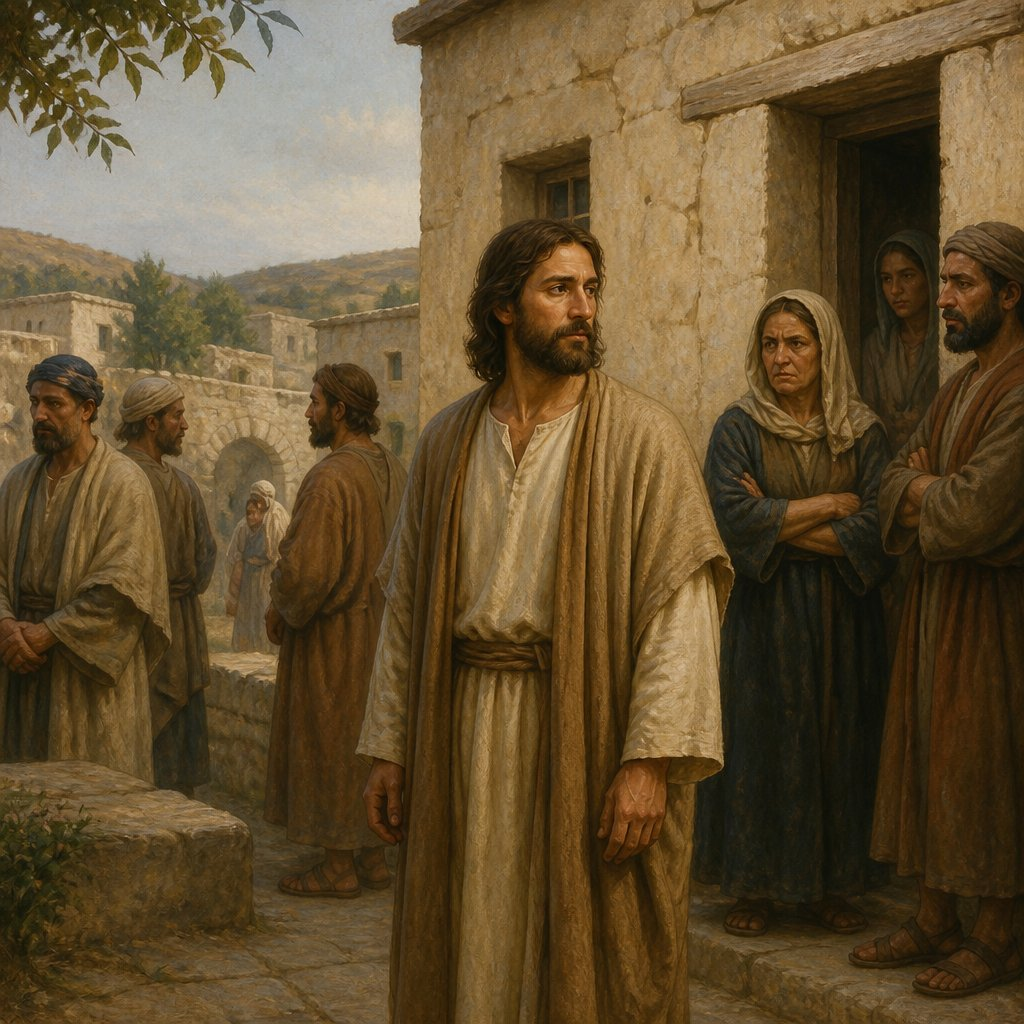
The people of Nazareth struggled to see beyond Jesus’ ordinary upbringing. They focused on His family, occupation, and background instead of recognizing the fulfillment of the gospel. Their familiarity became a stumbling block.
This lesson still applies today. Sometimes we become so accustomed to reading the Bible, attending church, or practicing prayer that these spiritual habits lose their sense of wonder. Instead of expecting God to work, we simply go through the motions.
The story challenges us to remain teachable and sensitive to the guidance of the Holy Spirit. When we seek God with humility, we are better prepared to recognize His work in ways we may not expect.
Faith Opens the Door to God’s Power
The account also highlights the importance of faith. Mark records that Jesus performed only a few miracles there because of the people’s unbelief. This does not suggest God’s power was limited, but it reveals that hardened hearts often refuse to receive what He offers.
Hebrews 11:6 reminds us, “And without faith it is impossible to please God, because anyone who comes to him must believe that he exists and that he rewards those who earnestly seek him.”

Faith is more than agreeing with facts. It is trusting God’s character even when circumstances are difficult. The rejection at Nazareth encourages us to examine our own attitudes. Are we approaching Jesus with expectation, or have doubt and familiarity made us spiritually complacent?
The early disciples often had questions and fears, yet they continued following Christ. Their willingness to trust Him became the foundation for sharing the gospel with the world.
Rejection Does Not Stop God’s Purpose
Although Nazareth rejected Jesus, His mission continued. He went on teaching, healing, and preparing the disciples for ministry. Human rejection never altered God’s plan for salvation or His promise of Heaven for those who trust in Christ.
This truth offers encouragement whenever we face misunderstanding or opposition because of our faith. We may not always receive acceptance from those closest to us, but God’s calling remains secure. Like Jesus, we can continue serving with humility, love, and perseverance.
The story of Jesus being rejected at Nazareth ultimately points us back to God’s faithfulness. It invites us to look beyond appearances, trust Christ wholeheartedly, and remain open to His work through the Holy Spirit. As we do, our faith grows deeper, our relationship with God becomes stronger, and we are reminded that His purposes cannot be stopped by human unbelief.
*Cover Photo/Thumbnail Photo from: Bible Art
RELATED ARTICLES

CRUNCHYROLL FALL 2026 ANIME SEASON: “FIREFLY WEDDING,” “BLACK CLOVER SEASON 2”, “OVERGEARED,” “PSYREN,” “THE VERMILION MASK,” AND MORE

Bring Your Brilliant Ideas to Life with the World’s Best Screen and 4-in-1 AI Productivity on the Ultra-Thin, PC-Like HUAWEI MatePad Air, Now Available

Share Holiday Magic with Family and Friends as the First Snowfall Arrives at “A Disney Christmas” in Hong Kong Disneyland

Filipino Artists, Your Bigger Canvas Awaits: Compete for a Share of $20,000 as HUAWEI GoPaint Worldwide Submissions Open!

Bold, Beautiful, Berry Purple: Experience the ‘Never Feel, Never Fall’ HUAWEI FreeClip 2 in its Most Expressive Color Yet

Collection of Ultraman History from Visionary Filmmaker Sompote Sands Heads to Auction for the First Time Commemorating the Pioneering Franchise’s 60th Anniversary