
Daniel’s Final Vision and the Kings of the North and South
SHARE
In the book of Daniel, the prophet is given visions that reveal God’s sovereign hand over history and the rise and fall of kingdoms. Among these, Daniel’s final vision—recorded in chapters 10 through 12—offers a remarkable glimpse into the future, focusing in part on a prophetic struggle between the “king of the North” and the “king of the South” (Daniel 11).

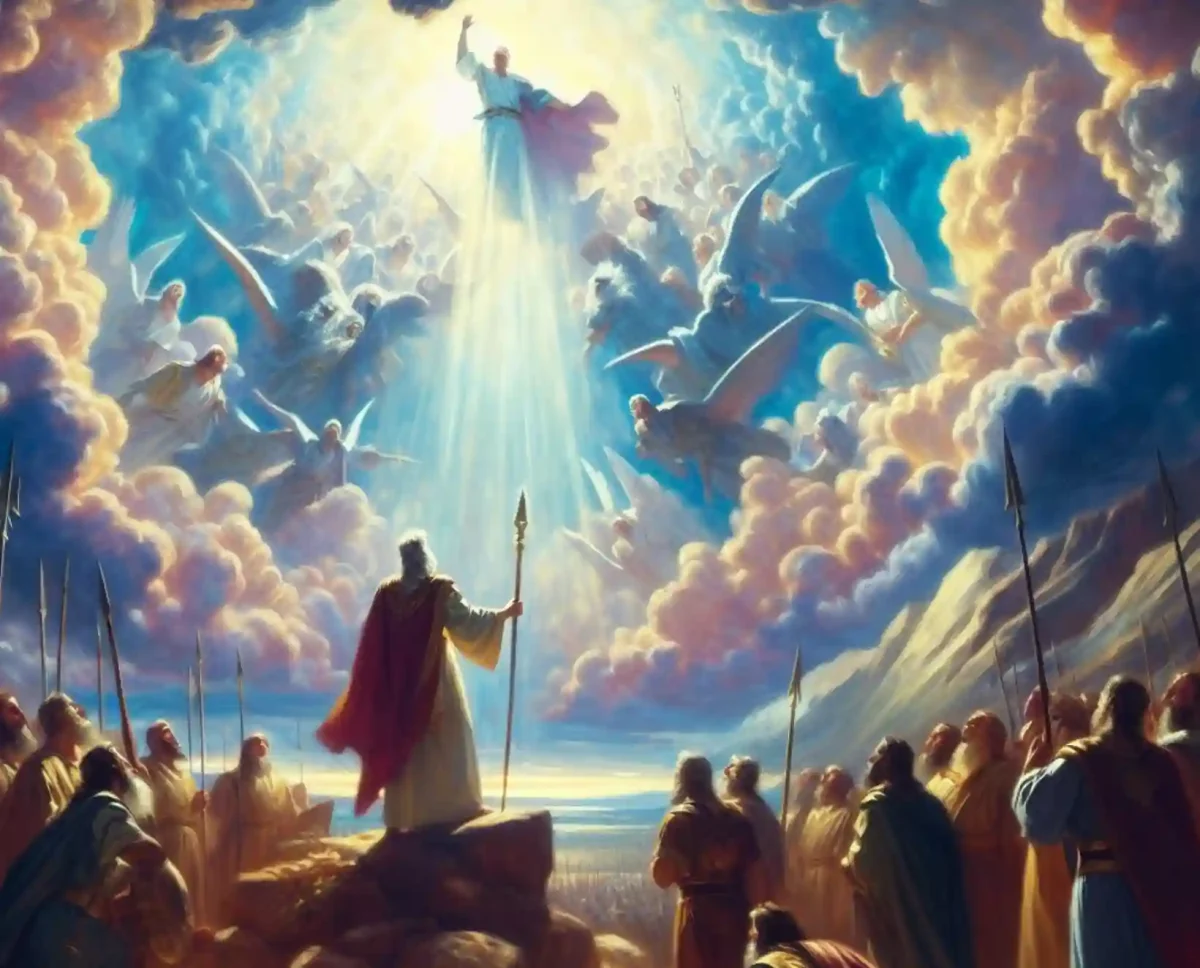
This vision begins in Daniel 10, where the prophet fasts and mourns for three weeks. An angel appears to him, saying, “Fear not, Daniel: for from the first day that thou didst set thine heart to understand… thy words were heard” (Daniel 10:12). This heavenly messenger reveals that spiritual warfare is at work behind the unfolding events of human history.

In Daniel 11, the angel describes a prophetic sequence of kings and empires. The “king of the South” represents the Ptolemaic dynasty in Egypt, while the “king of the North” points to the Seleucid rulers in Syria. Their rivalry unfolds over centuries, marked by alliances, betrayals, and battles. For example, Daniel 11:6 foretells, “And in the end of years they shall join themselves together; for the king’s daughter of the south shall come to the king of the north to make an agreement: but she shall not retain the power of the arm…” This was fulfilled when Berenice, daughter of the Egyptian king, married the Seleucid ruler—a union that ultimately ended in tragedy.

The prophecy continues with intricate detail, describing invasions, political intrigue, and changing tides of power. Daniel 11:16 highlights a decisive moment: “But he that cometh against him shall do according to his own will, and none shall stand before him: and he shall stand in the glorious land, which by his hand shall be consumed.” The “glorious land” refers to Israel, showing how God’s people would be caught in the crossfire of these great powers.

This prophetic narrative eventually points toward a figure known as the “vile person” (Daniel 11:21), widely understood as Antiochus IV Epiphanes, who desecrated the temple in Jerusalem—a foreshadowing of the final Antichrist. Daniel 11:31 declares, “And arms shall stand on his part, and they shall pollute the sanctuary of strength, and shall take away the daily sacrifice, and they shall place the abomination that maketh desolate.”

Daniel 12 shifts the focus to the end times, promising deliverance for God’s people. Michael the archangel will arise, and there will be a time of trouble unlike any before. Yet there is hope: “And many of them that sleep in the dust of the earth shall awake, some to everlasting life, and some to shame and everlasting contempt” (Daniel 12:2). The faithful are encouraged to persevere, for “they that be wise shall shine as the brightness of the firmament” (Daniel 12:3).

Daniel’s final vision reminds believers that God’s plan unfolds with precision, that human kingdoms rise and fall under His sovereign authority, and that ultimate victory belongs to the Lord. For Christians today, this passage calls us to remain steadfast, discerning the times, and holding fast to the promise of eternal life through Jesus.
*Cover Photo/Thumbnail Photo from bibleart.com
RELATED ARTICLES

Called to Heal, But How Far? Doctors, Faith, Abortion
Why Easter Sunday Should Center on Jesus, Not the Bunny

What Easter Sunday Teaches Us About New Beginnings

The Day God Was Silent: What Black Saturday Teaches Us About Waiting