

Does God Care About Property Ownership? The Bible Says Yes
SHARE
From stewardship to generosity, explore how the Bible guides Christians in thinking about property ownership through an eternal perspective.

Owning a home, land, or investment property is often considered a sign of financial stability. Yet for Christians, the bigger question is not whether property ownership is good or bad, but how it aligns with God’s purpose. The Bible presents a balanced perspective, recognizing private ownership while reminding us that everything ultimately belongs to God.
Throughout Scripture, land and property are treated as valuable blessings, but they are never meant to become a person’s ultimate source of security. Instead, they are opportunities to practice wise stewardship, generosity, and obedience.
God Owns Everything We Have
One of the Bible’s foundational teachings is that every possession originates from God. While people may legally own land or homes, Scripture reminds us that human ownership is temporary.

As written in Psalm 24:1, “The earth is the Lord’s, and everything in it, the world, and all who live in it.” This perspective changes how we view real estate. Rather than asking how much we can accumulate, we should ask how our property can honor Jesus and reflect our faith. Whether it’s a family home, farmland, or rental property, our responsibility is to manage it with integrity and gratitude.
As we seek wisdom through prayer, the Holy Spirit helps us make decisions that reflect biblical values instead of simply pursuing financial gain.
Stewardship Matters More Than Possession
The Bible does not condemn owning property. In fact, many people throughout Scripture owned land, homes, and businesses. Abraham, Boaz, and Lydia are examples of individuals who possessed wealth while serving God faithfully.
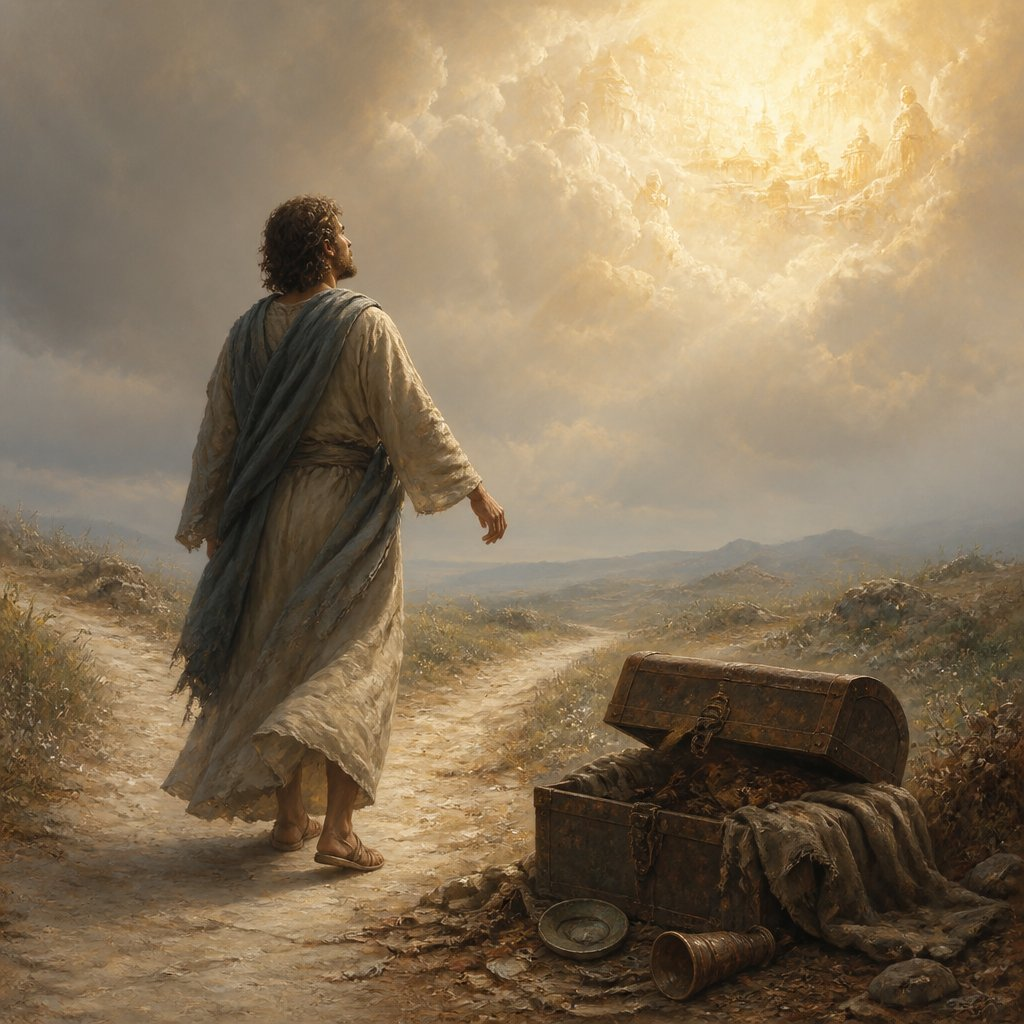
However, Scripture consistently warns against allowing possessions to control our hearts. It’s written in Matthew 6:19–20, “Do not store up for yourselves treasures on earth… But store up for yourselves treasures in Heaven.”
Jesus taught that eternal priorities should always outweigh temporary wealth. Property can provide security and create opportunities to serve others, but it should never replace trust in God.
This principle also shaped the early church. While some disciples voluntarily shared property to meet the needs of others, their generosity flowed from willing hearts rather than a command abolishing private ownership. The focus remained on caring for people and advancing the gospel, not accumulating possessions for personal status.
Using Property to Glorify God
The Bible ultimately frames property as a tool for serving God’s purposes. A home can become a place of hospitality, encouragement, and ministry. Land can provide for families and support communities. Financial resources gained through property can help those in need and strengthen the work of the church.
The pursuit of wealth itself is not the goal. Instead, Christians are called to ask whether their decisions demonstrate wisdom, compassion, and dependence on God.
When viewed through an eternal perspective, real estate becomes more than an investment. It becomes another way to practice faithful stewardship while remembering that our lasting inheritance is not found in earthly property but in Heaven. Keeping that truth at the center helps us make decisions that honor God today while looking forward to the promises He has prepared for His people.
*Cover Photo/Thumbnail Photo from: Bible Art
RELATED ARTICLES

PUMA and Rosé Launch Two New Earthy Speedcat Colorways This October

JULIEN’S AUCTIONS ANNOUNCES “PAUL REUBENS’ BIG AUCTION”

Smarter Sports and Health on Your Wrist: HUAWEI WATCH GT 7 Series and HUAWEI WATCH D3 Now Available for Pre-Order Starting at PHP 14,999

CRUNCHYROLL EXPANDS ITS ONE PIECE CATALOG ACROSS SOUTHEAST ASIA