
Latest Posts

Final OS Analysis Results from Phase III OptiTROP-Lung04 Study of Sacituzumab Tirumotecan (sac-TMT) Presented at 2026 ESMO


When Ambition Reached Heaven: The Babel Story Revisited
SHARE
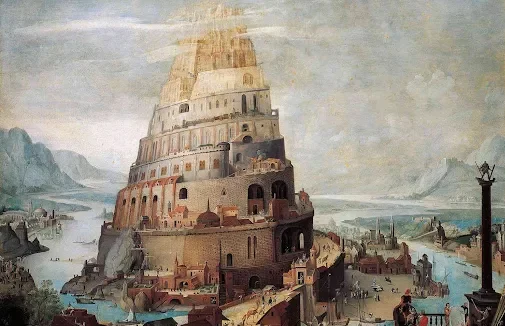
A deeper look at the Tower of Babel, and how human ambition clashed with God’s will and what it reveals about faith, unity, and purpose today.
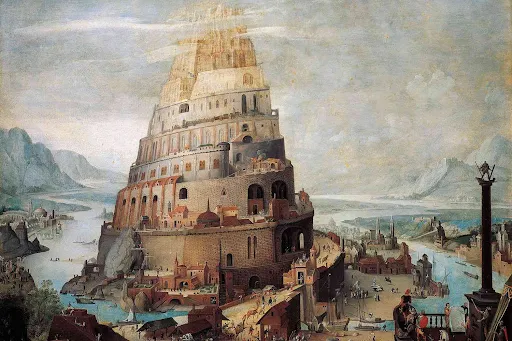
The story of the Tower of Babel in the Bible is one of humanity’s earliest attempts to reach Heaven on its own terms. Found in Genesis 11:1–9, it is not a tale of physical destruction, but of divine intervention that reshaped human history. For Christians, it reveals profound truths about pride, purpose, and our relationship with God.
Why the Tower of Babel Fell
After the flood, people united with a single language and shared ambition. They settled in the land of Shinar and began constructing a massive tower “that reaches to the heavens” (Genesis 11:4). Their goal was not merely architectural: it was spiritual rebellion. They sought to make a name for themselves rather than honor God.
Scripture states, “Come, let us go down and confuse their language so they will not understand each other.” (Genesis 11:7) God intervened by confusing their language, causing communication breakdown and halting construction. The people were scattered across the earth, fulfilling God’s original command to spread out.
The tower didn’t “fall” in a dramatic collapse, it failed because God disrupted the unity that fueled it. This highlights a critical biblical principle: unity apart from God is not sustainable. Even collective human strength cannot override divine authority.
A Deeper Lesson on Pride and Purpose
At its core, Babel represents human pride. The builders believed they could ascend to Heaven through their own effort. This mirrors a recurring theme in the Bible, a self-exaltation leads to separation from God.
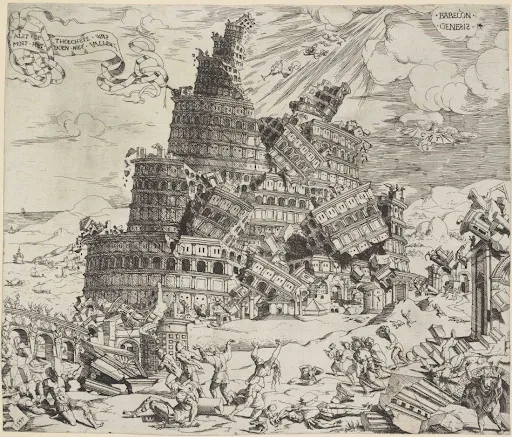
Another verse reinforces this truth. In Proverbs 16:18, it states that, “Pride goes before destruction, a haughty spirit before a fall.”
The fall of Babel was not just about language, it was about misplaced faith. Instead of trusting God’s plan, the people pursued their own glory. For modern Christians, this serves as a caution: success without God is ultimately empty.
It also clarifies an important theological point. It is that salvation is not achieved through human effort but through grace, later revealed fully in the gospel of Jesus Christ.
What Christians Can Learn Today
The Tower of Babel still speaks powerfully to the church today. It challenges us to examine their motives in life, ministry, and even prayer. Are we building for God, or for ourselves?
First, it reminds Christians to pursue humility. Faith is not about elevating our name, but glorifying God. Whether in leadership, discipleship, or daily life, humility keeps us aligned with His will.
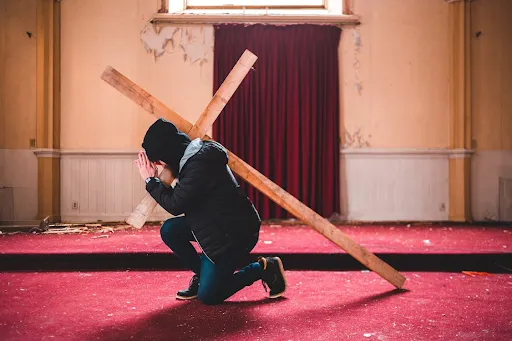
Second, it emphasizes the importance of God-centered unity. The early church in Acts demonstrated unity guided by the Holy Spirit, unlike Babel’s self-driven ambition. True unity strengthens the mission of spreading the gospel.
Finally, Babel encourages trust in God’s design. When plans fail or directions change, it may not be coincidence, it could be divine redirection. God’s interruptions often serve a greater purpose.
In the end, the Tower of Babel is not just a story of division, but a call to realign with God. Where human effort once scattered people, God later used the message of Christ to unite us across nations, restoring what was once broken through faith.
*Cover Photo/Thumbnail Photo from Learn Religions
RELATED ARTICLES

Awaken Your Senses: Embrace the Golden Hour Privilege at WorldHotels Long Beach Resort Phu Quoc

Marvel Infinity Gauntlet Heads to Julien’s Auctions at Rosewood Abu Dhabi Dec. 8 Ahead of Avengers: Doomsday

Two Theme Parks, One Ocean Adventure at Hengqin Chimelong Resort

Klook Celebrates Champions of Philippine Tourism