
Ezekiel 38-39: What Happens to the Nations That Come Against Israel?
SHARE
Bible prophecy offers a dramatic picture of what awaits the nations that rise up against Israel in the latter days. Ezekiel chapters 38 and 39 detail a future military campaign unlike any in history—led by a powerful alliance from the “uttermost parts of the north.”
What’s most staggering is not just the scale of this invasion, but how God responds. Spoiler: It doesn’t end well for the invaders.
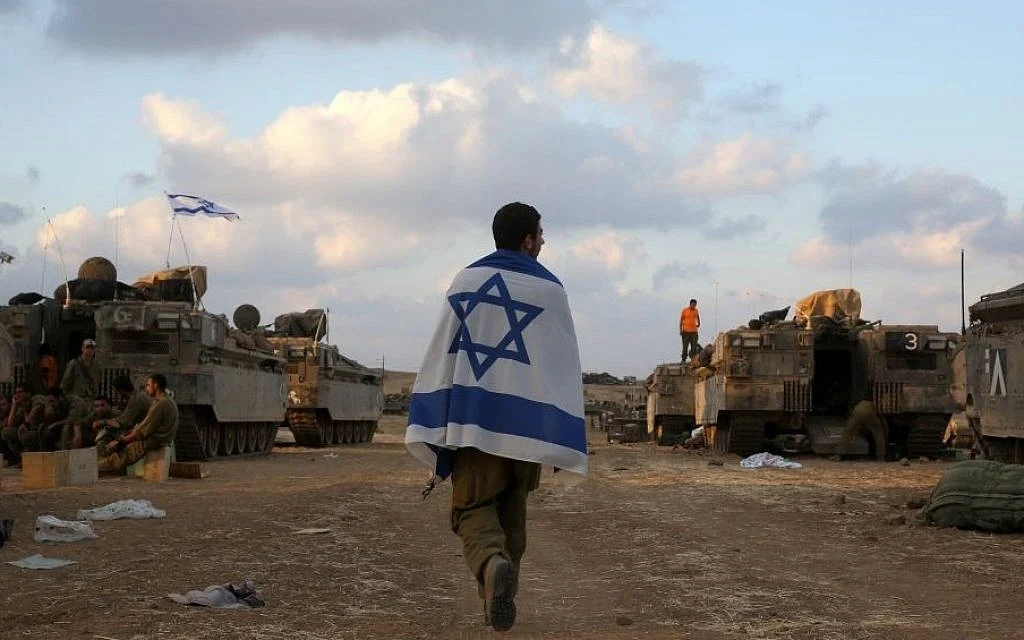
The prophecy begins in Ezekiel 38 with God addressing “Gog, of the land of Magog,” believed by many Bible scholars to represent a leader of Russia. Alongside Gog are other nations: Persia (modern Iran), Cush (Sudan), Put (Libya), Gomer (Turkey), and others.
While these nations have never united against Israel historically, we now see a startling pattern: growing ties among them. As Steve Miller notes in How Close Are We to the Ezekiel 38–39 Invasion of Israel?, these alliances are forming today—with military cooperation between Russia, Iran, and Turkey leading the charge.
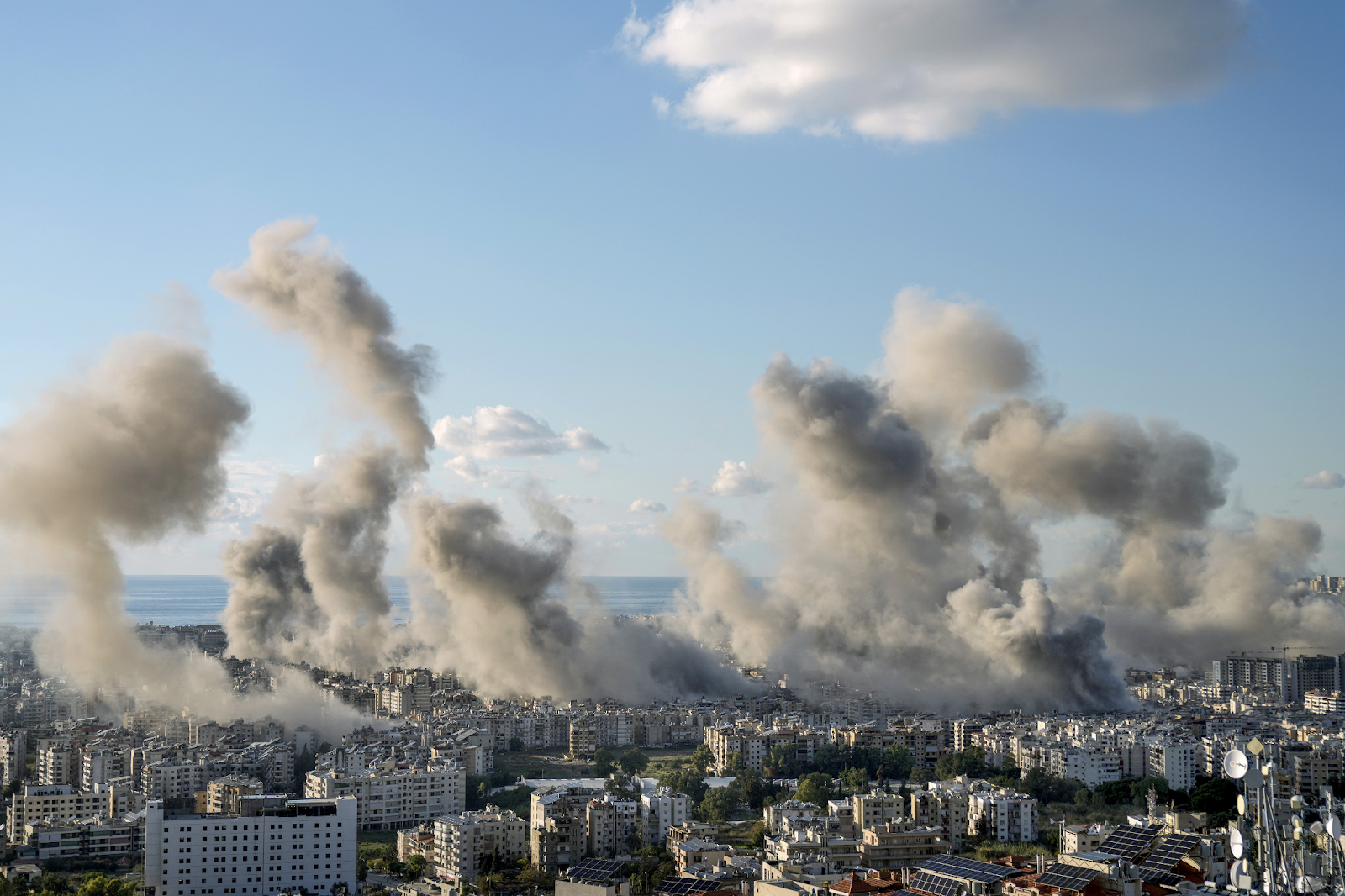
But what happens when this coalition invades? According to Ezekiel 38:15-16, they will descend on Israel “like a cloud covering the land.” The sheer size of this force will render Israel defenseless—until divine intervention steps in. At Israel’s darkest hour, God declares in verse 18 that His fury will come up in His face. What follows is a supernatural defense.
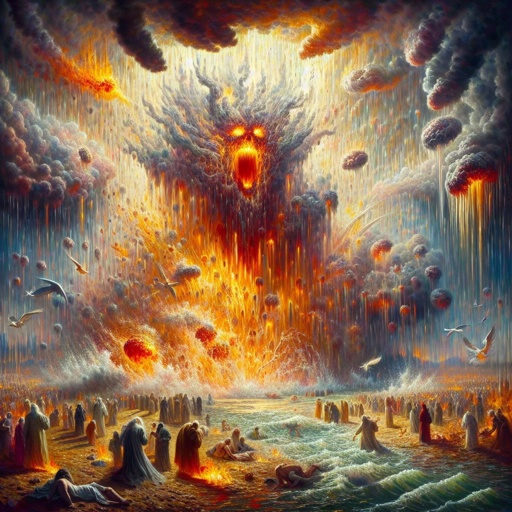
The outcome? Total defeat for the invaders. God will unleash a series of catastrophes: a massive earthquake, infighting among the enemy troops, plagues, torrential rain, hailstones, fire, and brimstone (Ezekiel 38:19-22).
These judgments are not just acts of vengeance—they serve a larger purpose. In verse 23, God says, “I will show my greatness and my holiness and make myself known in the eyes of many nations. Then they will know that I am the LORD.”

In Ezekiel 39, the picture becomes even more detailed. The defeat is so complete that it will take Israel seven months to bury all the bodies and seven years to burn the weapons left behind (Ezekiel 39:9, 12). The cleanup will be exhaustive and will serve as a public display of God’s power and faithfulness to His people.
Importantly, this is not merely a regional skirmish—it’s a moment that shakes the world. The destruction of the coalition reveals the sovereignty of God in a way no one can ignore. As Steve Miller explains, this moment will force even unbelieving nations to acknowledge that Israel’s survival was the work of the Lord.
Though we don’t know exactly when this war will occur, the stage is clearly being set. Tensions are rising, alliances are strengthening, and military presence is growing near Israel’s borders. But Ezekiel assures us: God is already in control of the outcome.
*Cover Photo/Thumbnail Photo from timesofisrael.com
RELATED ARTICLES

Called to Heal, But How Far? Doctors, Faith, Abortion

Why Easter Sunday Should Center on Jesus, Not the Bunny

What Easter Sunday Teaches Us About New Beginnings

The Day God Was Silent: What Black Saturday Teaches Us About Waiting