

Latest Posts
Healing Food of the Bible Part 2: Fruits
SHARE
Fruits have long been celebrated not only for their natural sweetness but also for their nourishing and healing properties. In the Bible, fruits frequently symbolize God’s blessings and abundant provision, embodying both physical sustenance and spiritual nourishment.
Following our exploration of healing vegetables in Part 1, we now turn to the divine fruits highlighted throughout Scripture—each carrying unique benefits that extend beyond taste and into the realm of healing and wellness.
1. Figs

One of the earliest fruits mentioned in the Bible is the fig. After Adam and Eve’s eyes were opened, they sewed fig leaves to cover themselves (Genesis 3:7). Beyond symbolism, figs are rich in fiber, vitamins, and minerals that aid digestion and promote heart health—truly a healing gift from the Lord.
2. Dates

Often called the “bread of the desert,” dates were a staple fruit in biblical times. Packed with energy, fiber, and antioxidants, they helped sustain the Israelites during their wilderness journey (Exodus 16). The sweetness of dates also reminds us of Psalm 119:103, “How sweet are your words to my taste, sweeter than honey to my mouth!” This verse likens God’s Word to the sweetness of fruit, emphasizing spiritual and physical refreshment.
3. Pomegranates

A symbol of fertility and abundance, pomegranates were used in the design of the temple and priestly garments (Exodus 28:33-34). Their bright red seeds burst with antioxidants and vitamins, known to boost immunity and promote heart health. Song of Solomon 4:13 describes this fruit as part of a luscious garden: “Your plants are an orchard of pomegranates with pleasant fruits.” This imagery not only celebrates physical vitality but the richness of God’s blessings.
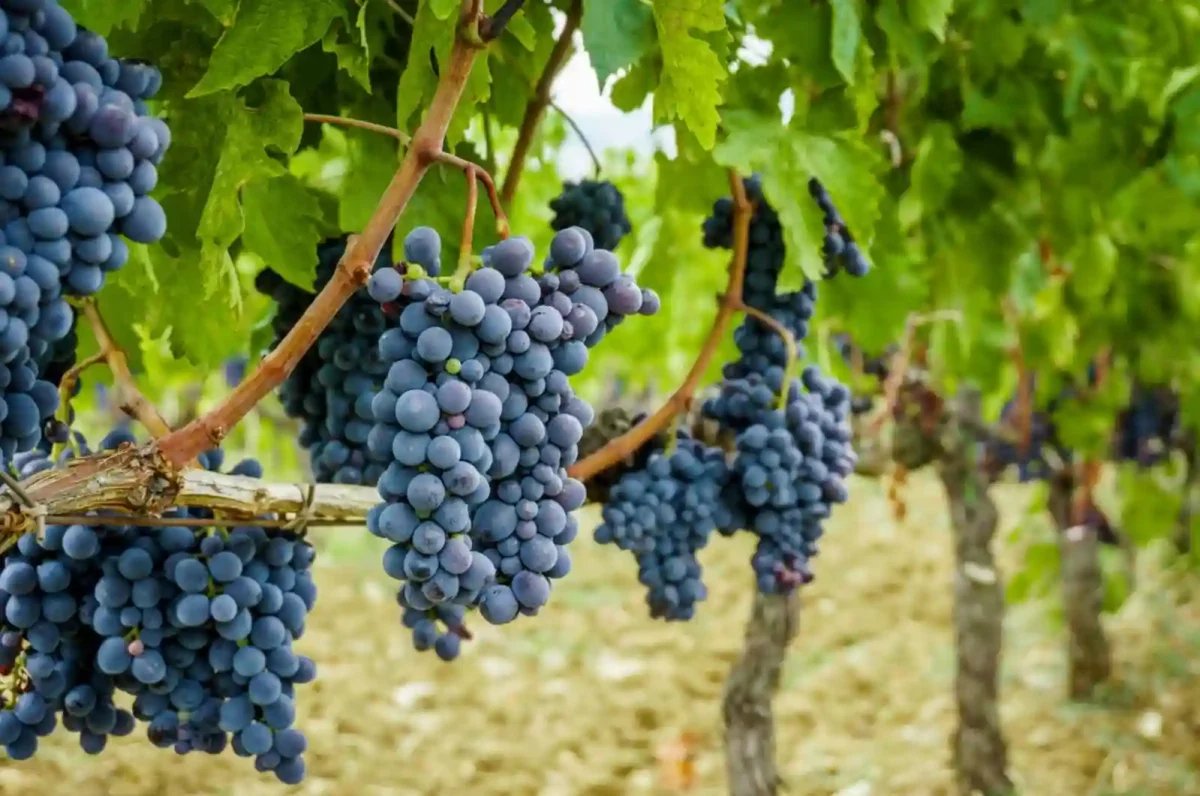
4. Grapes

Vines and grapes appear frequently in Scripture, symbolizing joy and divine provision. Grapes were eaten fresh or dried as raisins, rich in natural sugars and nutrients. Psalm 128:3 says, “Your wife will be like a fruitful vine within your house; your children will be like olive shoots around your table.” The fruitfulness of the vine mirrors the health and vitality God desires for His people.
5. Olives (Olive Fruit)

Though often categorized as a fruit or oil source, olives deserve mention for their healing qualities. Olive oil, derived from this fruit, was used for anointing and healing (James 5:14). Rich in healthy fats and antioxidants, olives help reduce inflammation and support heart health, echoing the spiritual healing that flows from God’s touch.
As Christians, embracing these fruits is more than a matter of nutrition—it’s a step towards honoring God’s design for our bodies. The Bible’s rich imagery invites us to partake of these fruits, both physically and spiritually, as reminders of God’s grace and provision.
May we cultivate a lifestyle that nourishes body and soul, rejoicing in the healing fruits of the Bible, confident that “a cheerful heart is good medicine, but a crushed spirit dries up the bones” (Proverbs 17:22). Through God’s Word and creation, healing flows—one fruit at a time.
Cover Photo/Thumbnail Photo from istockphoto.com
RELATED ARTICLES

Smarter Sports and Health on Your Wrist: HUAWEI WATCH GT 7 Series and HUAWEI WATCH D3 Now Available for Pre-Order Starting at PHP 14,999

CRUNCHYROLL EXPANDS ITS ONE PIECE CATALOG ACROSS SOUTHEAST ASIA

CRUNCHYROLL REVEALS “SEKIRO: NO DEFEAT” WILL STREAM WEEKLY AS A SERIES BEGINNING JANUARY 2027

Rolex tops Asia retail brand conviction ranking as more consumers recommend it than currently buy it