
Peter’s Declaration About Jesus and the Power of Faith
SHARE
Learn how Peter’s declaration about Jesus continues to inspire Christians through lessons about courage, prayer, and spiritual truth.
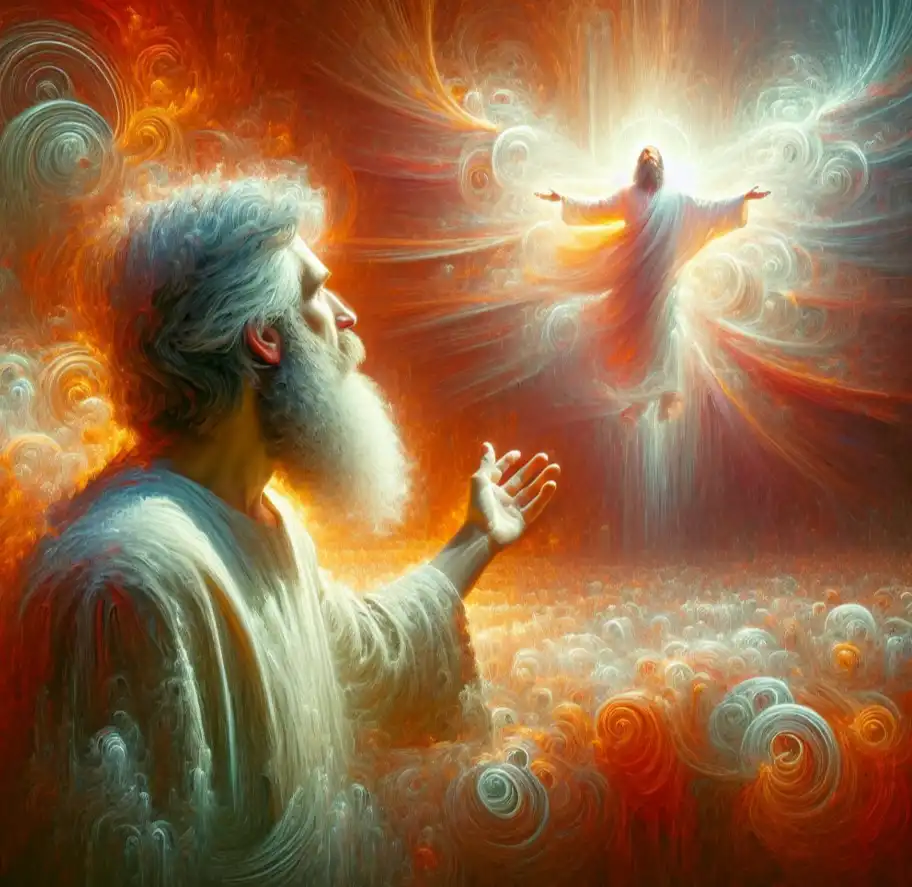
One of the most significant moments in the Bible occurs when Peter boldly declares who Jesus truly is. Found in Matthew 16:13–20, this event reveals not only the identity of Christ but also important lessons for modern Christians seeking deeper faith and spiritual understanding.
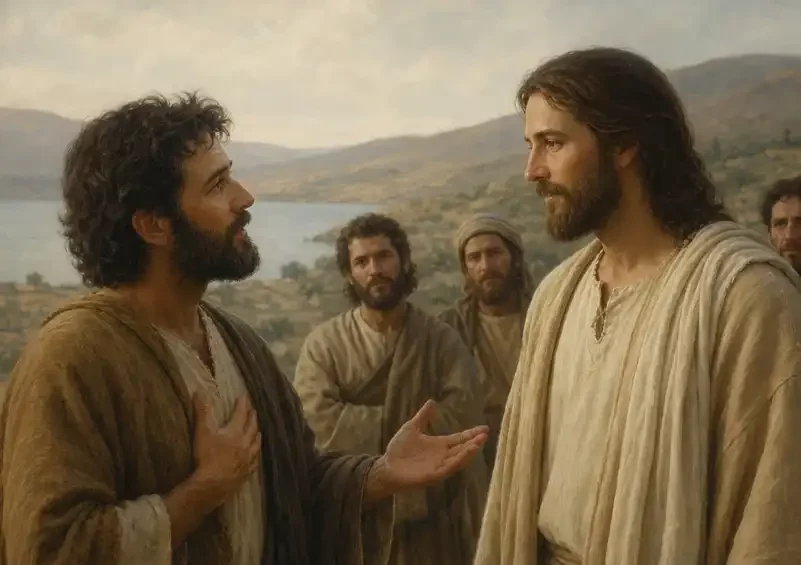
As Jesus and His disciples traveled near Caesarea Philippi, He asked a powerful question: “Who do people say the Son of Man is?” After hearing several answers, Jesus directly asked His followers, “But who do you say I am?”
Peter responded with confidence as written in Matthew 16:16, “You are the Messiah, the Son of the living God.” This declaration became a turning point in the gospel narrative and continues to hold meaning for Christians today.
Recognizing Jesus Requires Spiritual Understanding
Peter’s answer did not come from human wisdom alone. Jesus immediately explained that this truth was revealed by God through divine revelation:
Matthew 16:17 states that, “For flesh and blood has not revealed this to you, but my Father who is in heaven.” This teaches an important principle for the church today: understanding Jesus deeply requires spiritual openness. Knowledge about religion is not enough. True recognition of Christ comes through the work of the Holy Spirit in a Christian’s heart.
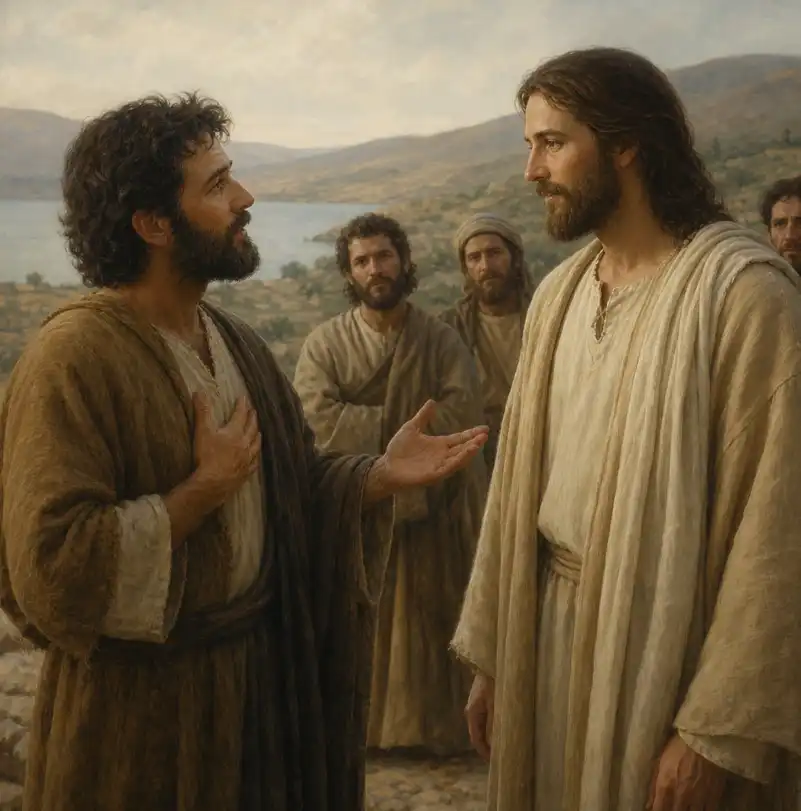
In a world filled with competing opinions, Peter’s declaration reminds us to seek spiritual clarity through prayer, Scripture, and obedience. The Christian life is not built merely on tradition or culture but on a personal conviction about who Jesus is.
Faith Must Be Personal and Bold
Peter spoke in front of the other disciples, publicly affirming his belief even in a politically and spiritually divided region near Israel. His response demonstrates that authentic faith is personal but should never remain hidden.
Many people admire Jesus as a teacher, prophet, or moral example. However, Peter identified Him as the promised Messiah and Son of God. This distinction matters because Christianity is centered not only on Jesus’ teachings but also on His divine identity.
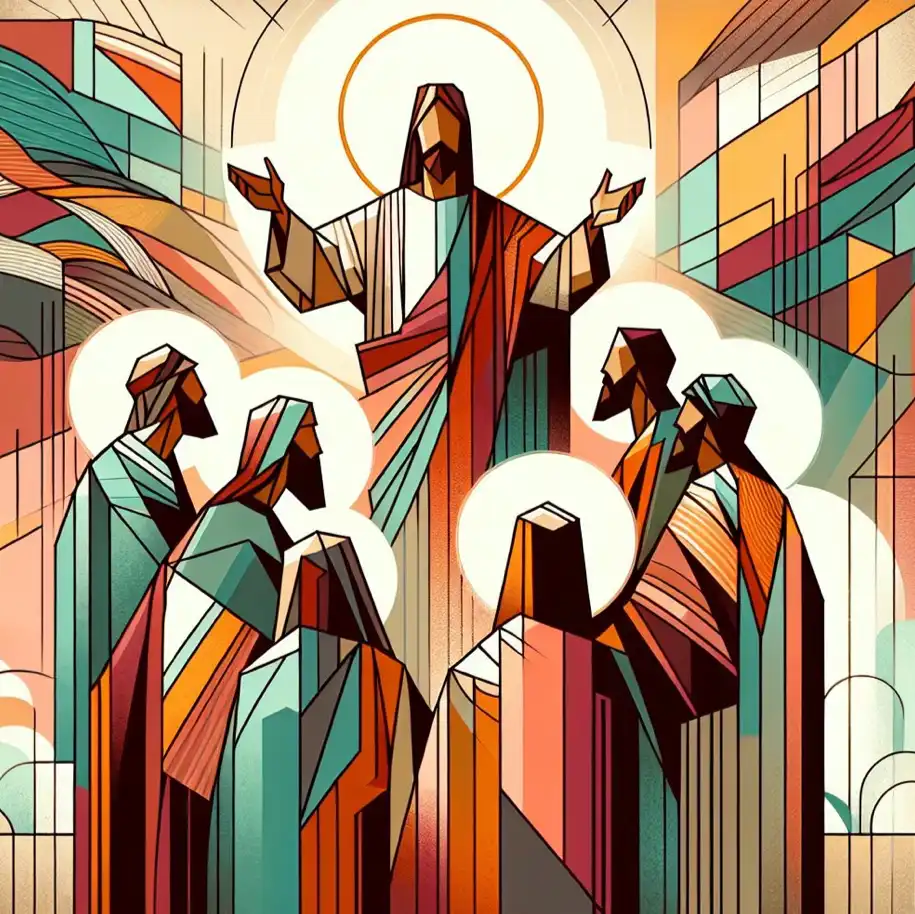
For modern Christians,, Peter’s declaration challenges us to evaluate our own understanding of Christ. Do we merely know about Jesus, or do we truly trust Him as Savior and Lord? Genuine faith affects how Christians live, worship, and interact with others.
The Church Is Built on the Truth of Christ
After Peter’s confession, Jesus made another profound statement about building His church. This did not mean the church would rest solely on Peter himself, but on the foundational truth that Jesus is the Messiah.
This lesson remains essential today. Churches grow stronger when they remain grounded in biblical truth rather than cultural trends or personal opinions. Peter’s declaration reminds us that the Christian foundation begins and ends with Christ.
Ultimately, this story encourages Christians to deepen their relationship with God, strengthen their prayer life, and confidently share the gospel. Peter was not perfect, yet his willingness to recognize and proclaim Jesus became a powerful example for future generations of Christians..
Even today, Peter’s declaration continues to ask every reader the same question: “Who do you say Jesus is?”
*Cover Photo/Thumbnail Photo from: Bible Art
RELATED ARTICLES
![KV - World Rabies Day [2]](https://buzzbeatmedia.com/wp-content/uploads/bb-plugin/cache/KV-World-Rabies-Day-2-600x400-landscape-a9223fe11557e98c59e3cc6944792e6d-.webp "KV - World Rabies Day [2]")
Stop Rabies expands to Siargao, strengthening community partnerships for rabies prevention

James Reid Surprises Newlyweds Dariz and Emman with a Wedding Serenade in Cavite

Altilium CEO Jovy Gill earns a seat as the first Filipina on the FESSIA Board

TP in the Philippines to fill 10,000 Customer Expert roles in Grand Job Fair this Sept. 28