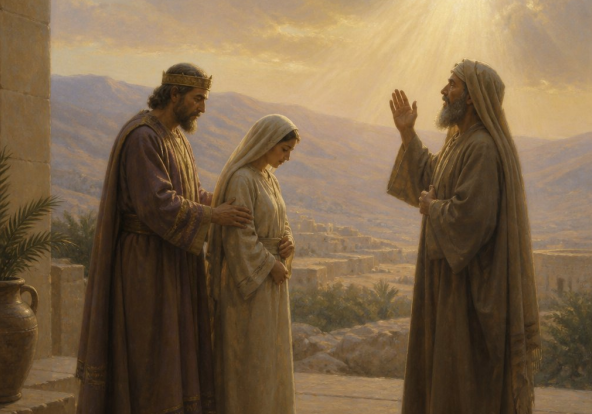

Should a Baby Be Baptized? Understanding the Biblical View
SHARE
Should babies be baptized? Explore what the Bible says about infant baptism, faith, salvation, and the role of parents in raising children to follow Jesus.
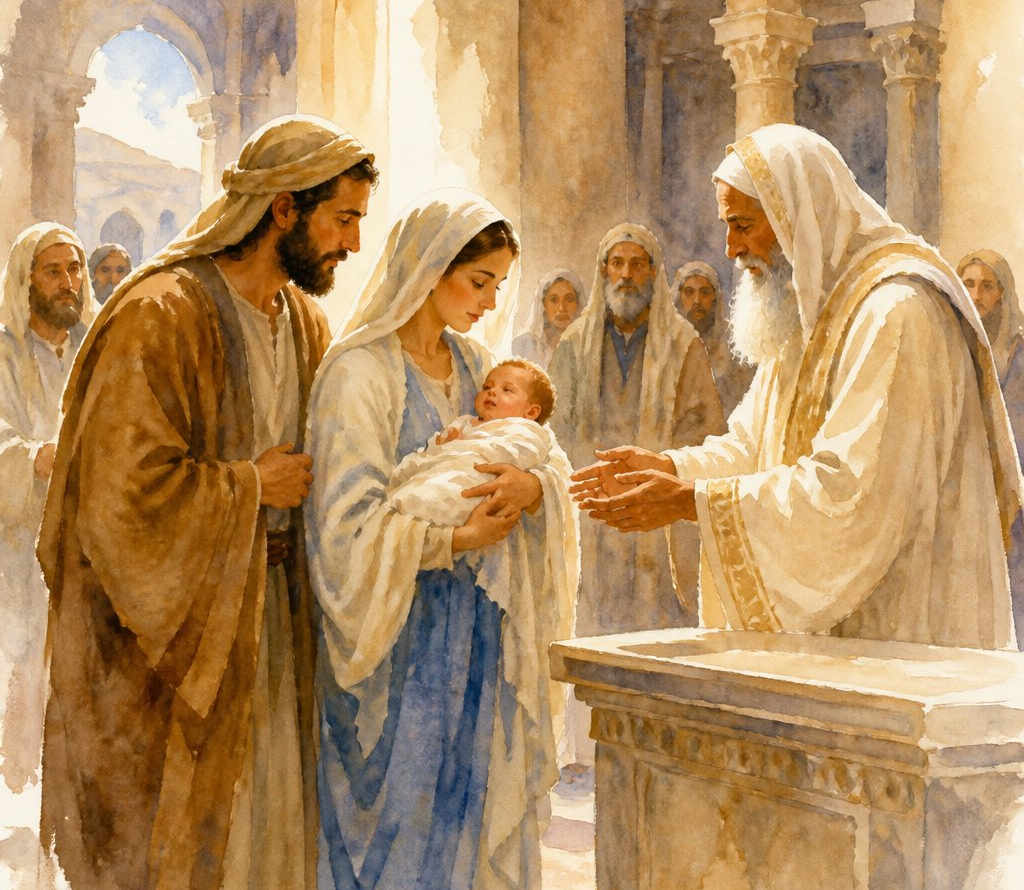
Baptism is one of the most important practices in the Christian faith, but it also raises an important question: should babies be baptized? Christians have different views on infant baptism, and both sides often appeal to the Bible for guidance. While Scripture does not give a direct command saying that every baby must or must not be baptized, it provides principles that can help us understand the practice.
What Does the Bible Say About Baptism?
The Bible consistently connects baptism with repentance, faith, and a personal response to the gospel. Before ascending to Heaven, Jesus instructed His disciples to make disciples and baptize them in the name of the Father, Son, and Holy Spirit.
One important passage is Acts 2:38, where Peter says, “Repent and be baptized, every one of you, in the name of Jesus Christ for the forgiveness of your sins.” The order is significant: repentance and faith precede baptism.
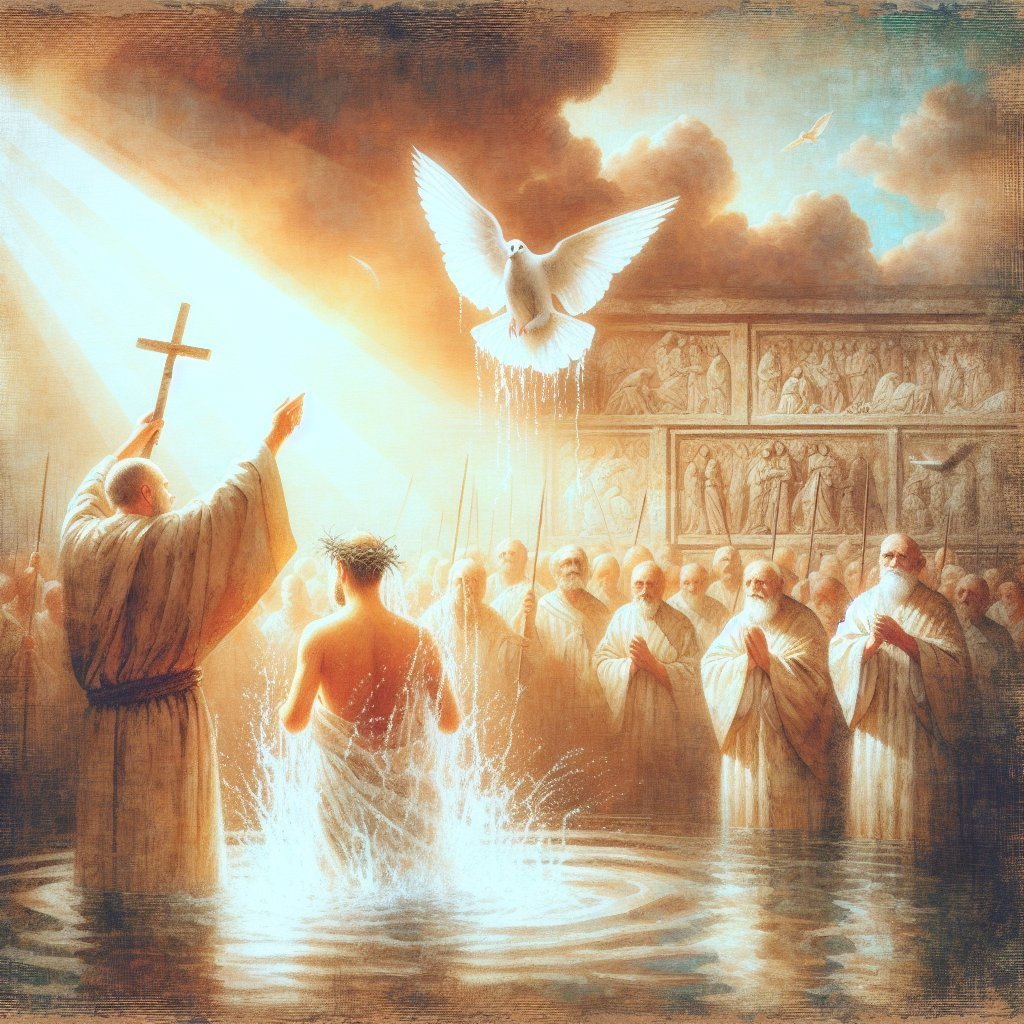
This is one reason some Christian traditions do not practice infant baptism. A baby cannot yet consciously express faith, understand the gospel, or make a personal confession of faith. Instead, these Christians practice baptism when a person is old enough to respond personally to God.
Why Do Some Christians Baptize Babies?
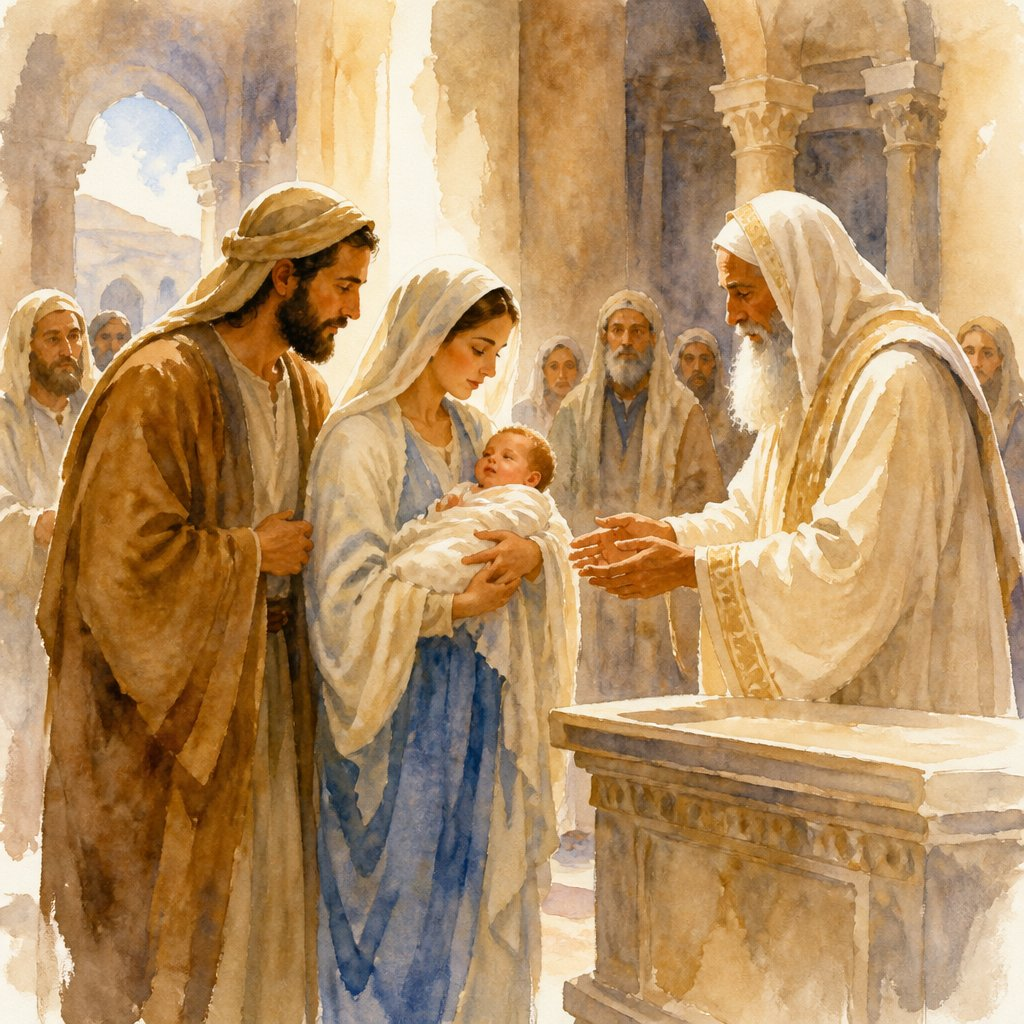
Other Christian traditions practice infant baptism because they understand baptism as a sign of God’s covenant and His grace toward a family. They point to biblical accounts in which entire households were baptized, such as the household of Lydia in Acts 16.
Although these passages do not specifically state that infants were present, supporters of infant baptism see household baptism as consistent with the inclusion of children within the Christian family. They also emphasize that salvation ultimately depends on God’s grace, not on a person’s ability to fully understand religious doctrine.
For these Christians, baptism does not mean that a baby has earned salvation. Instead, it represents God’s grace, the family’s commitment to raising the child in faith, and the child’s belonging within the church community.
What Should Christians Take From This?
The Bible makes the meaning of baptism clearer than it makes the question of infant baptism itself. Baptism points to Jesus, identifies a person with His death and resurrection, and publicly expresses a commitment to follow Him.
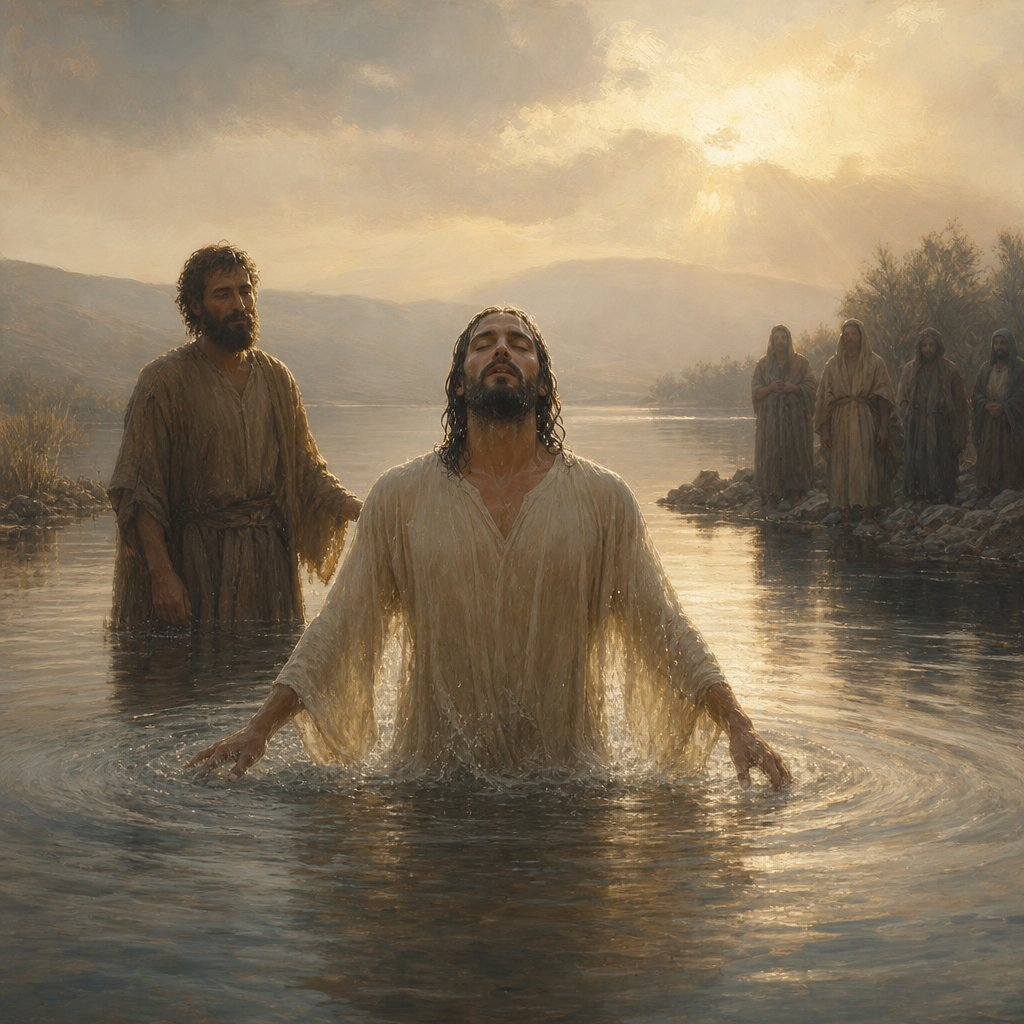
Romans 6:4 says, “We were therefore buried with him through baptism into death in order that, just as Christ was raised from the dead through the glory of the Father, we too may live a new life.”
Whether a church practices infant baptism or dedicates babies and baptizes them later, Christians should avoid treating the ritual itself as a substitute for faith. Baptism is meaningful because of what God has done through Christ.
Parents can prayerfully consider their church’s teaching while raising their children to know Scripture, trust God, follow Jesus, and listen to the guidance of the Holy Spirit. Ultimately, baptism should point us beyond the ceremony itself—to the gospel, God’s grace, and a life transformed by faith.
*Cover Photo/Thumbnail Photo from: Bible Art
RELATED ARTICLES
Did God Literally Rain Bread on the Israelites?

“ONE PIECE” ENGLISH DUB SETS SAIL FOR THE ELBAPH ARC ON CRUNCHYROLL BEGINNING OCTOBER 20
Why Was Nebuchadnezzar’s Sanity Taken From Him?

Celebrating 20 Years of Empowering Young Entrepreneurs 2026 FedEx/JA International Trade Challenge Asia Pacific Winners Announced