

Latest Posts



The Redemption Story of Ruth and Boaz
SHARE
The story of Ruth and Boaz is one of profound loyalty, faith, and divine providence. Set against the backdrop of a tumultuous time in Israel’s history, this narrative unfolds in the Book of Ruth, showcasing how God orchestrated events to bring about redemption and hope for those who trust in Him.
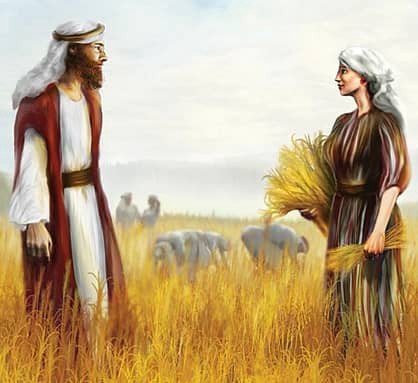
Ruth was a Moabite woman who married into an Israelite family. After her husband’s death, she faced the daunting prospect of returning to her homeland alone.
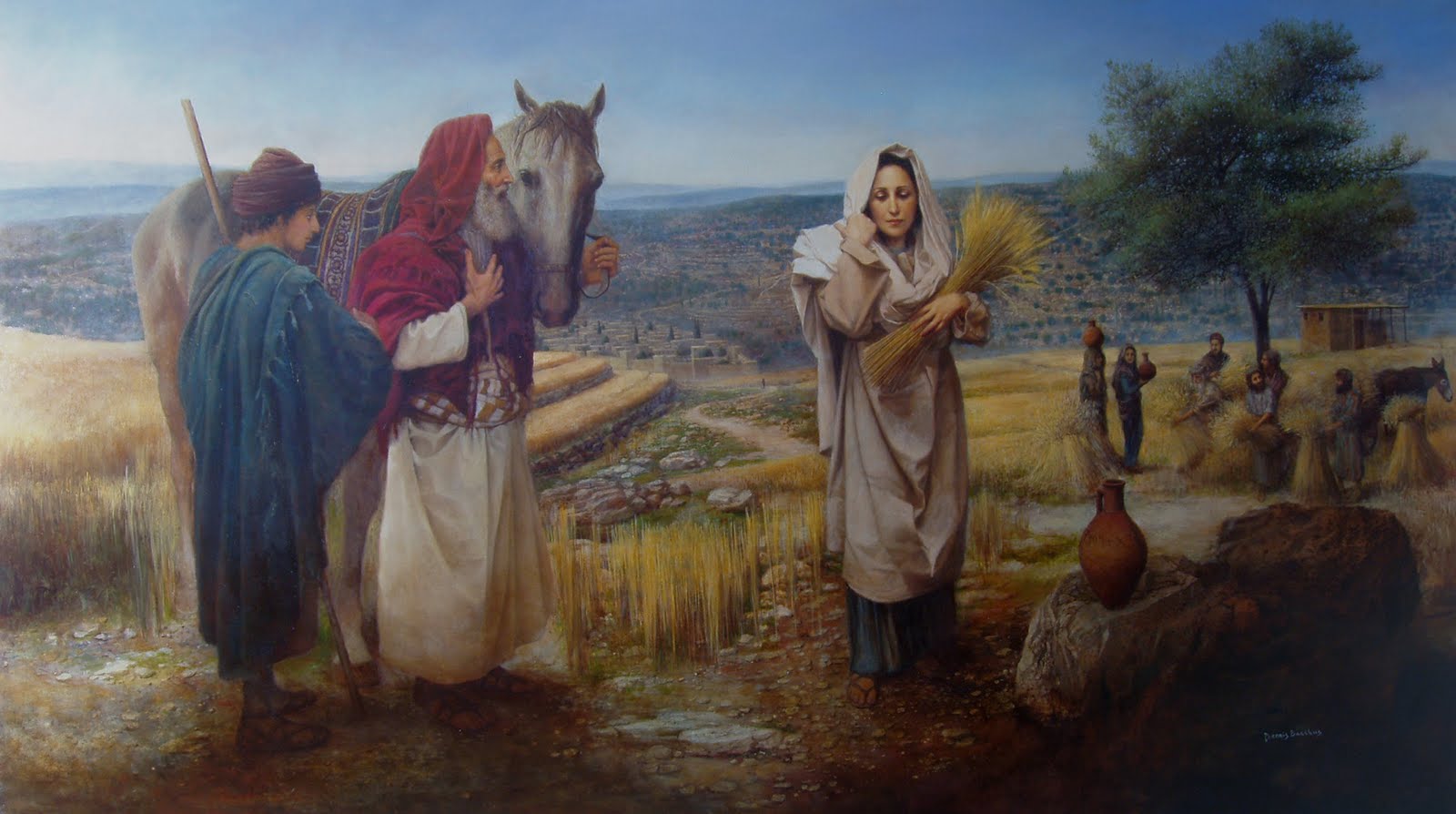
However, her loyalty to her mother-in-law Naomi was unwavering. In a powerful declaration of commitment, Ruth proclaimed that she would follow Naomi wherever she went (Ruth 1:16-17). This act of devotion highlights the theme of love that permeates the story.
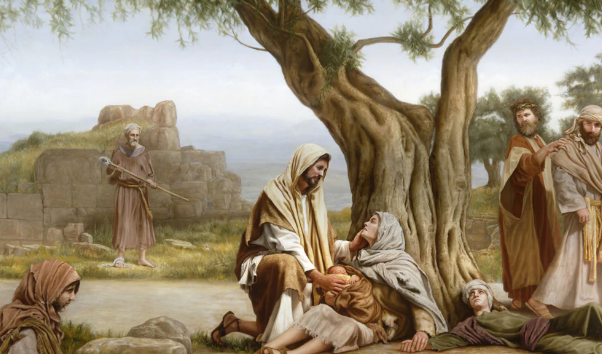
Upon arriving in Bethlehem with Naomi during the barley harvest, Ruth demonstrated remarkable initiative by seeking permission to glean in the fields (Ruth 2:2). Her humility and hard work caught the attention of Boaz, a wealthy landowner and relative of Naomi’s deceased husband. Boaz recognized Ruth’s dedication not only to her late husband but also to Naomi, praising her for choosing loyalty over comfort (Ruth 2:11-12). This acknowledgment emphasizes that God rewards faithfulness and kindness.
Boaz’s treatment of Ruth was marked by generosity and protection. He instructed his workers to allow her to glean freely and even left extra grain for her (Ruth 2:15-16). This act not only provided for Ruth but also illustrated the principle of caring for those in need—a core tenet of God’s law.
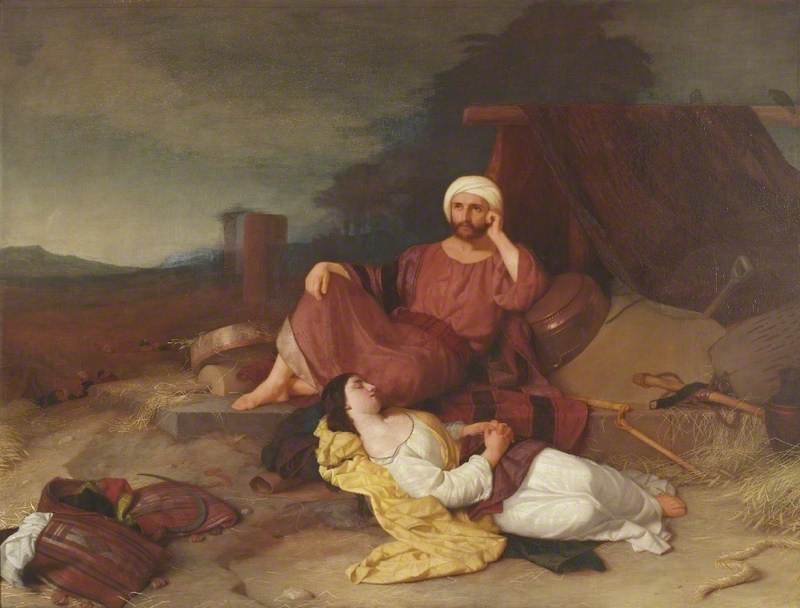
The concept of the “kinsman-redeemer” is central to this narrative. In ancient Israelite culture, a kinsman-redeemer had the responsibility to protect family lineage by marrying widows within the family. Naomi recognized Boaz as a potential redeemer and encouraged Ruth to approach him with a bold proposal (Ruth 3:1-4). This act required great courage from Ruth as it challenged social norms. Yet, she trusted in God’s plan and acted decisively.
Boaz responded favorably to Ruth’s request, affirming his willingness to redeem her (Ruth 3:10-11). However, he also acknowledged another relative who had a prior claim. This moment illustrates Boaz’s integrity as he sought to honor both God’s law and his family obligations.
Ultimately, Boaz secured his right as redeemer by negotiating with the other relative (Ruth 4:1-10). He married Ruth, and they were blessed with a son named Obed (Ruth 4:13). This child would become the grandfather of King David, positioning Ruth within the lineage leading to Jesus Christ. The story concludes with women praising Naomi for having a redeemer who would sustain her old age (Ruth 4:14-17).
The story of Ruth and Boaz is not merely about personal redemption; it reflects God’s overarching plan for humanity. Through their faithfulness, both characters exemplify how ordinary lives can be woven into God’s extraordinary narrative. Their journey teaches us about loyalty, love, and divine providence—reminding us that even in our darkest moments, God is at work orchestrating our paths toward redemption and hope.
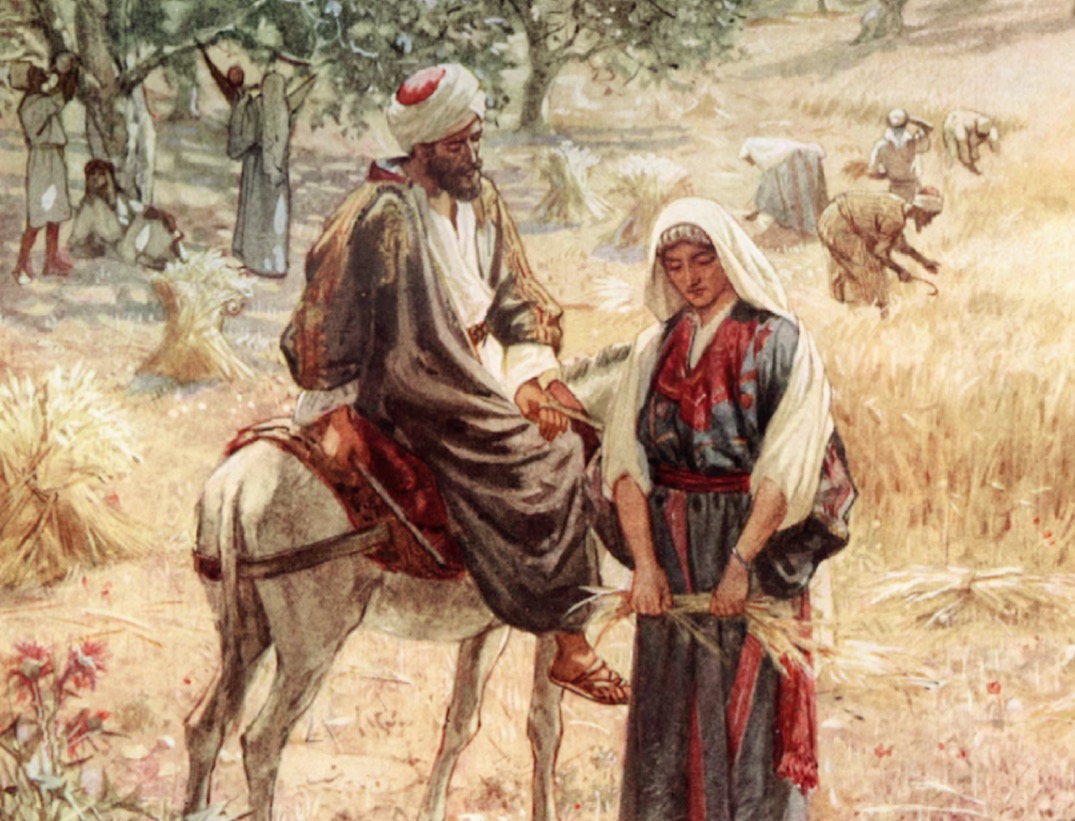
*Cover Photo/Thumbnail Photo Created by William Hole, Lebrecht Music & Arts, Alamy
RELATED ARTICLES

The New-Generation ‘Ho-kance’ & ‘Healing’ Oasis for Korean Travelers

Zayed National Museum’s First Temporary Exhibition Explores 7,000 Years of Camel History

Bible Verses for Overcoming Anxiety

Celebrate the Magic of Christmas and New Year at Phuket Marriott Resort & Spa, Merlin Beach