




What “The Tree and Its Fruit” Reveals About Real Faith
SHARE
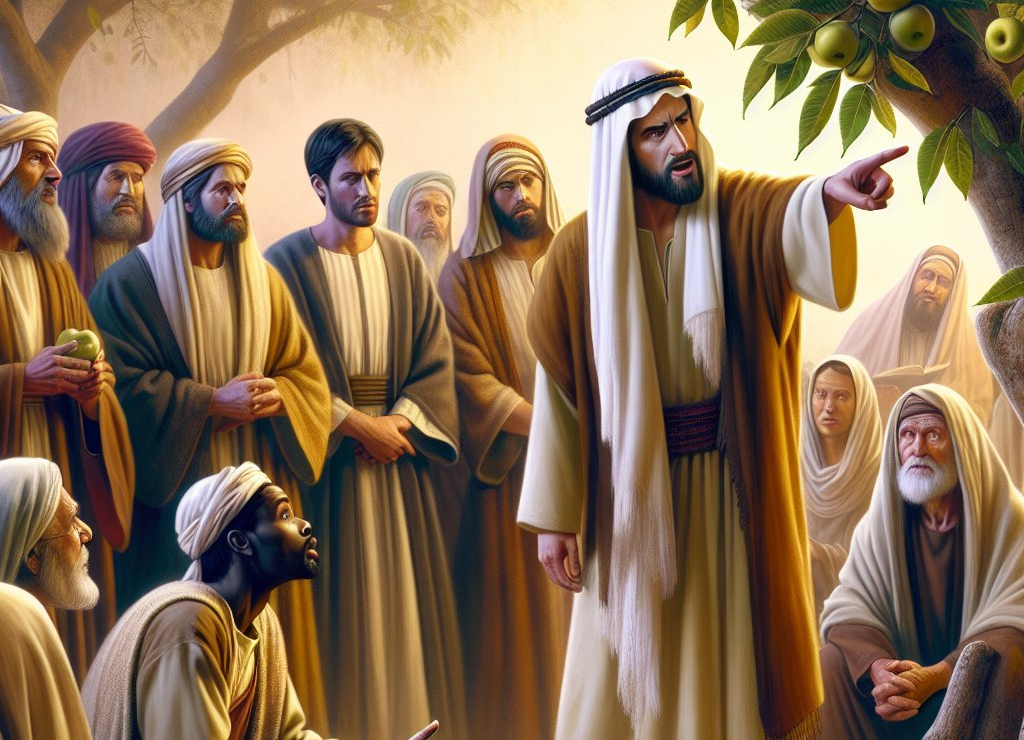
Discover what Jesus taught about “the tree and its fruit” and how Christians can reflect genuine faith through character, actions, and spiritual growth.
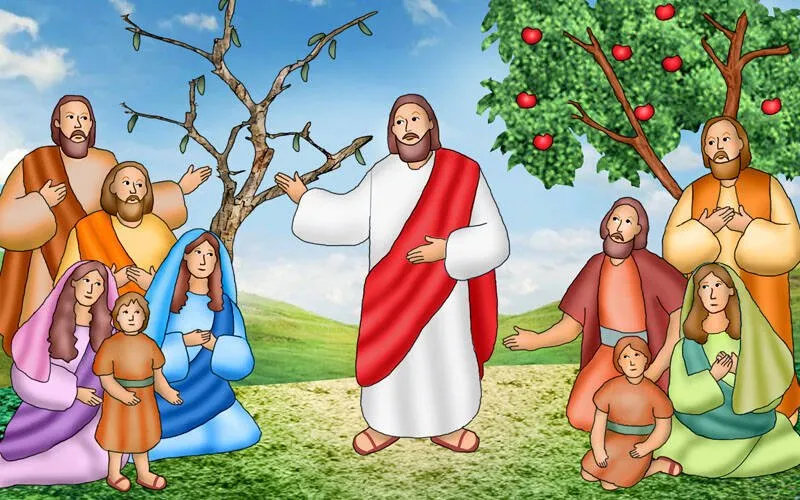
One of the most memorable teachings of Jesus Christ in the Bible is the lesson about trees and fruit. At first glance, it sounds simple and agricultural, but beneath the imagery is a powerful spiritual truth about character, faith, and authenticity. In a world where appearances can easily be mistaken for spiritual maturity, this teaching continues to challenge both the church and individual Christians.
In Matthew 7:16-17, Jesus says, “You will recognize them by their fruits. Are grapes gathered from thornbushes, or figs from thistles? So, every healthy tree bears good fruit, but the diseased tree bears bad fruit.”
This statement appears during the Sermon on the Mount, where Jesus warns His disciples about false prophets and superficial righteousness. The lesson is clear: a person’s true spiritual condition eventually becomes visible through the way they live.
Faith Is Proven Through Fruit
In Christian belief, “fruit” represents the visible evidence of an inward relationship with God. It is not merely about public religious activity or saying the right things. Genuine faith gradually produces qualities shaped by the Holy Spirit, including humility, patience, compassion, honesty, and self-control.
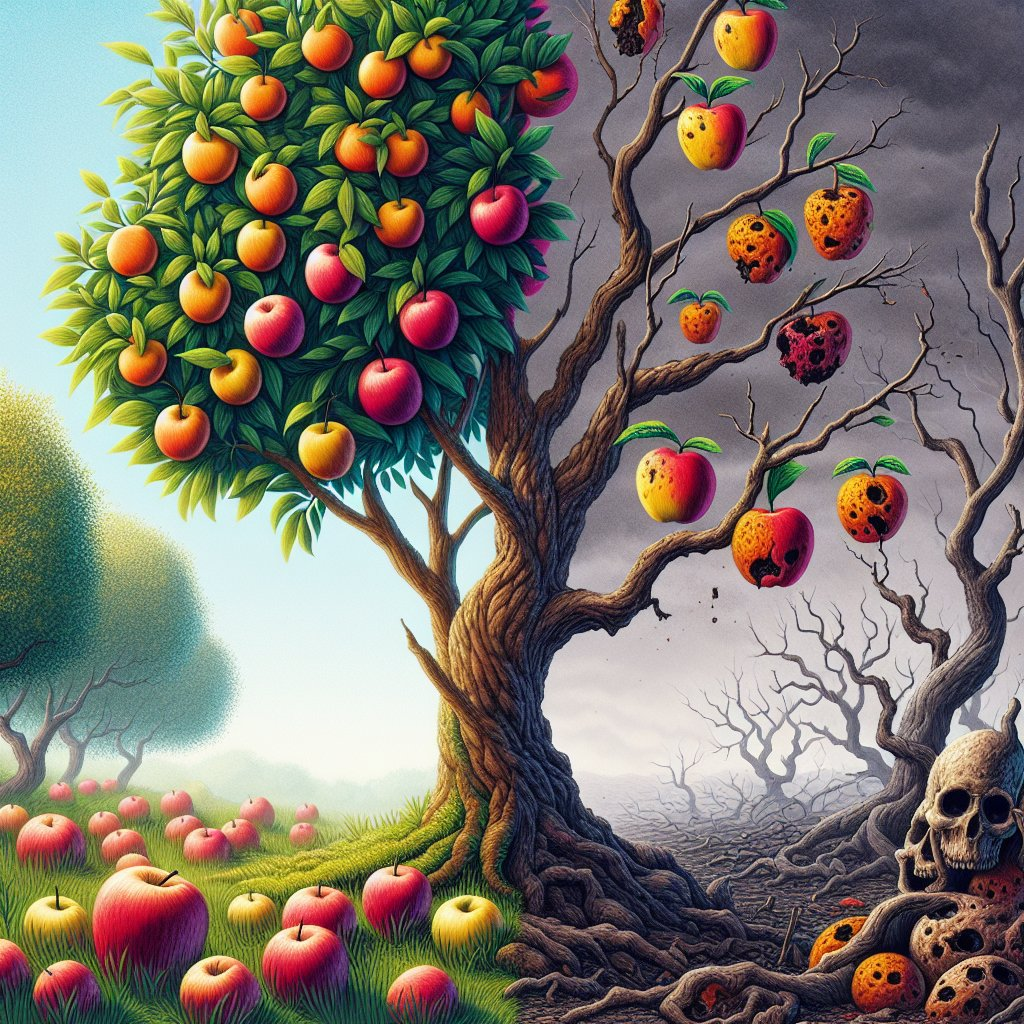
This idea is reinforced in Galatians 5:22-23, where the apostle Paul describes the “fruit of the Spirit.” Spiritual growth is not manufactured through performance alone; it develops as we remain connected to God through prayer, obedience, and the gospel.
For many Christians, this teaching is both encouraging and convincing. It reminds us that discipleship is not only about attending church services or knowing Scripture intellectually. A transformed life should increasingly reflect the character of Christ in daily relationships, decisions, and attitudes.
Why Jesus Warned About Bad Fruit
The imagery of unhealthy trees producing bad fruit also carried an important warning. During Jesus’ ministry in Israel, many religious leaders appeared outwardly righteous but lacked genuine compassion and integrity. Their lives contradicted the faith they publicly represented.
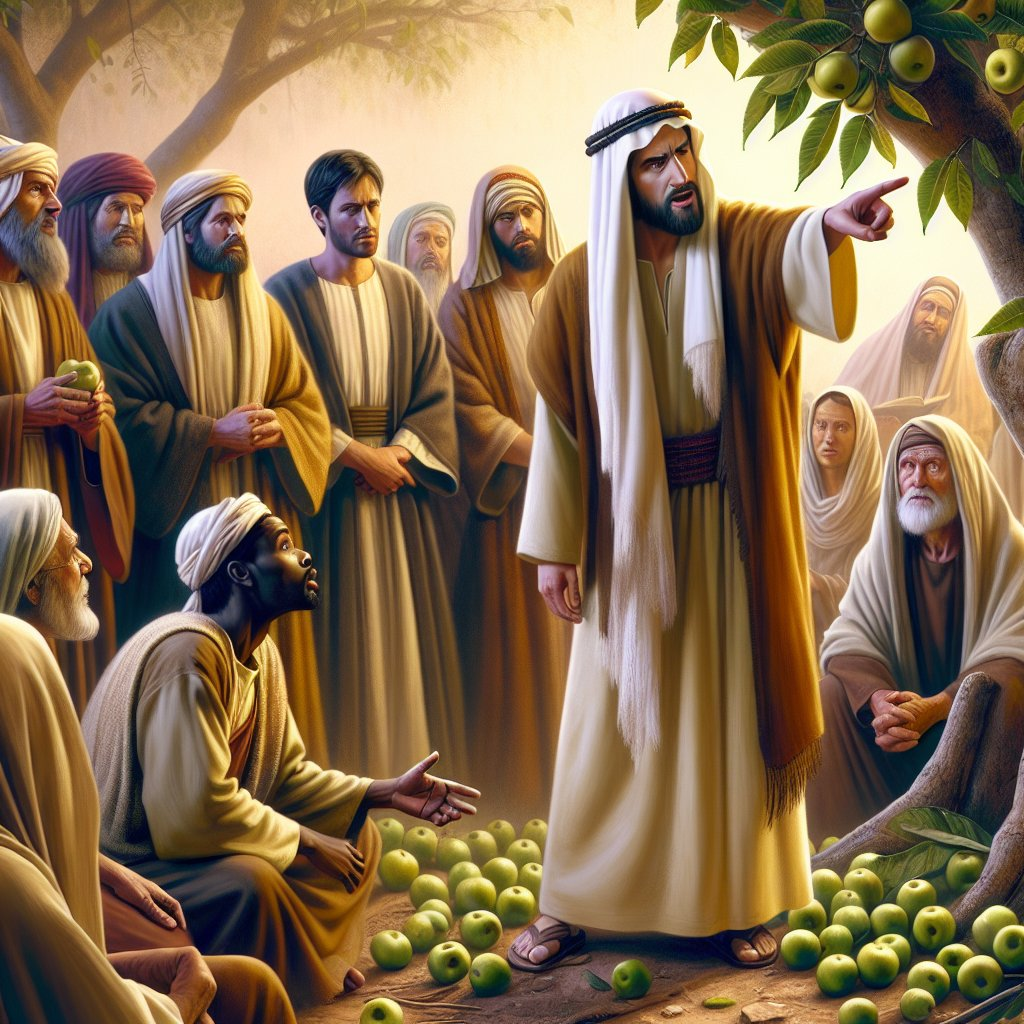
That warning still matters today. People may claim spiritual authority, but their actions often reveal whether they are truly guided by God. Jesus taught His disciples to evaluate spiritual leadership carefully, not by charisma or popularity alone, but by observable character.
This teaching also challenges us to examine themselves honestly. Spiritual fruit is not about perfection, but about direction. Are people becoming more loving, forgiving, and faithful over time? Are their lives pointing others toward hope and truth?
A Call to Remain Rooted in God
The lesson of “the tree and its fruit” ultimately points back to dependence on God. Healthy fruit does not grow from human effort alone. Just as a tree depends on strong roots, we need a steady spiritual foundation grounded in faith, Scripture, and communion with God.
In many ways, Jesus’ teaching offers a practical test of authentic Christianity. Words matter, but consistent character matters more. The fruit people produce often reveals what is happening deep within the heart.
For modern Christians, navigating a complicated world, this parable remains deeply relevant. It encourages us to pursue lives shaped not by appearances, but by sincere transformation through the work of the Holy Spirit.
*Cover Photo/Thumbnail Photo from BibleArt
RELATED ARTICLES

Bible Verses for Overcoming Anxiety

Celebrate the Magic of Christmas and New Year at Phuket Marriott Resort & Spa, Merlin Beach

Discover Helsinki’s Evolving Design and Architecture Scene – in Finland and in Japan

Awaken Your Senses: Embrace the Golden Hour Privilege at WorldHotels Long Beach Resort Phu Quoc