When Faithful Lyrics Meet Censorship: A Christian Artist’s Challenge
SHARE
The intersection of faith and digital platforms has become increasingly complex, and a recent incident involving Christianity rapper nobigdyl has brought those tensions into sharper focus. The Atlanta-based artist revealed that Instagram restricted one of his music videos from being viewed in the United States, citing a violation of “local law,” a claim that left both the artist and his supporters searching for clarity.
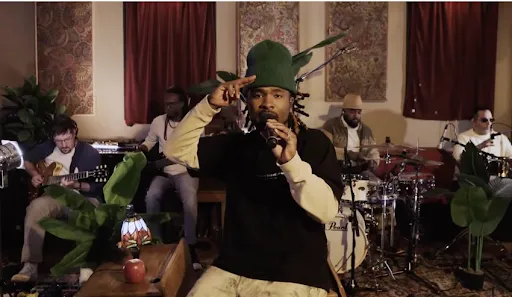
The video in question featured a verse from the song “Got a Reason,” a collaboration with fellow Christian rapper KB. Its lyrics openly celebrated core Gospel beliefs, including The Resurrection of Jesus, while contrasting those convictions with teachings from other religious traditions. According to screenshots shared by the artist, Instagram said it received a legal request to limit access to the content and conducted internal reviews before enforcing the restriction, though no specific law was identified.
For nobigdyl, whose real name is Dylan Phillips, the lack of transparency proved especially troubling. He emphasized that the issue was not framed as a violation of platform policy, but rather of the law itself. That distinction raised concerns about how Church-centered expression is evaluated on global platforms that operate across varying legal and cultural contexts. Without clear explanations, artists are left guessing where boundaries truly lie.
The rapper also questioned the apparent inconsistency in content moderation. In follow-up posts, he pointed to other videos on the platform that included explicit hate speech and offensive language yet remained accessible. The contrast fueled his suspicion that the restriction had less to do with legal compliance and more to do with discomfort toward explicitly Christian messaging that names and elevates God above other belief systems.
Despite the setback, nobigdyl responded without retreating from his convictions. Instead, he encouraged listeners to stream the song on other platforms, framing the situation with irony while continuing to stand by the message of his lyrics. His reaction reflected a broader pattern in his career: an unwillingness to dilute belief rooted in Scripture in order to maintain mainstream acceptance.
The incident has renewed conversations about the place of Christian voices in digital spaces. This is not an isolated case. In previous years, other Christian musicians and worship leaders have publicly accused major platforms of limiting religious content under vague or shifting standards. Each instance adds to a growing sense among believers that expressions shaped by Prayer are increasingly scrutinized in public forums.
At the heart of the issue is a deeper question about freedom of expression. For Christian artists like nobigdyl, belief is not a marketing angle but the foundation of their creative work and personal identity. When lyrics inspired by the Holy Spirit and grounded in conviction are restricted without clear justification, it challenges artists and audiences seeking music that reflects truth and hope rooted in Heaven.
As technology companies continue to shape communication, incidents like this underscore the need for transparency and consistency. Whether platforms can balance diverse beliefs while respecting sincere religious expression remains an open question. For now, Christian artists persist, creating and sharing their work where doors remain open.
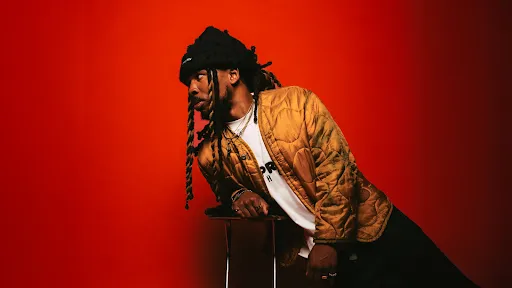
*Cover Photo/Thumbnail PhotoFrom Photo from IG of nobigdyl
RELATED ARTICLES
Robi Domingo, Mikee Cojuangco-Jaworski, Lola Amour Lead Star-Studded Earth Hour 2026 for 20th Global Switch-off

Phuket Getaway: Up to 50% Off – This Month!
A Sensational New Art Exhibition Arrives at The Peninsula Hong Kong
Why God’s Early Discipline Is Better for Our Growth