


God’s Purpose Beyond Broken Family Backgrounds

SHARE
Discover what the Bible teaches about prophets and leaders from dysfunctional families who overcame pain through faith, prayer, and God’s purpose.

Family struggles are not new. Long before modern conversations about broken homes and emotional wounds, the Bible already revealed stories of people who came from deeply dysfunctional families yet still fulfilled extraordinary purposes. Their lives remind Christians today that God is not limited by human failure, family conflict, or painful beginnings.
Throughout the history of Israel, many prophets, leaders, and biblical personalities experienced rejection, betrayal, favoritism, and division within their own homes. Yet through faith, prayer, and obedience, they thrived and became instruments of God’s greater plan.
Joseph: Betrayed but Not Defeated
One of the clearest examples is Joseph, the son of Jacob. His family was marked by jealousy and division. Because Jacob openly favored Joseph, his brothers became bitter and eventually sold him into slavery. What began as family dysfunction led Joseph into years of suffering, imprisonment, and isolation.
Yet Joseph’s story did not end in bitterness. Instead, God used every painful experience to position him for leadership in Egypt. Eventually, Joseph helped save countless lives during famine, including the very family that betrayed him.
As written in Genesis 50:20, “You intended to harm me, but God intended it for good to accomplish what is now being done, the saving of many lives.”
Joseph’s life reflects a powerful gospel truth: human brokenness does not cancel divine purpose. Even when families fail, the Holy Spirit can still shape character, wisdom, and compassion through hardship.
David: Overlooked but Chosen by God
King David also came from a complicated family dynamic. When the prophet Samuel visited Jesse’s household to anoint the future king, David was not even initially invited to stand with his brothers. He was left tending sheep while the others were presented first.
This small detail reveals how overlooked David may have been within his own household. Yet God saw beyond outward status and family expectations.
First Samuel 16:7 says, “The Lord does not look at the things people look at. People look at the outward appearance, but the Lord looks at the heart.”
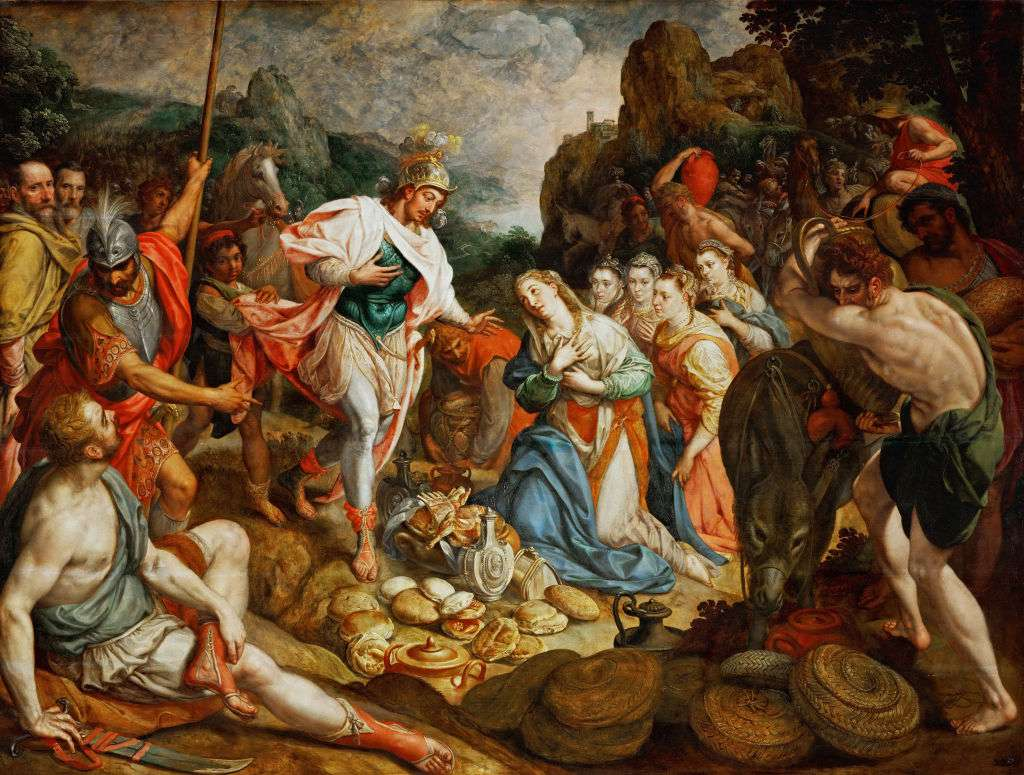
David’s journey later included conflict, betrayal, and personal failures, but he remained a man who continually sought God through prayer and repentance. His story reminds the church that spiritual calling is not reserved for people with perfect family histories. God often works through unlikely individuals whose trust is placed fully in Him.
What Christians Can Learn Today
Many Christians quietly carry wounds caused by family dysfunction. Some experience rejection, broken relationships, addiction within the home, or emotional neglect. The Bible does not ignore these realities. Instead, it shows that God consistently redeems imperfect situations for His glory.
Jesus Himself entered a world filled with brokenness and offered hope to people burdened by shame and pain. Through faith, Christians are reminded that identity is not defined solely by family history but by God’s calling and grace.

These biblical stories encourage us to remain faithful even when circumstances seem unfair. They also challenge the church to become a place of healing and support for hurting families.
In the end, the message remains clear: dysfunctional beginnings do not determine final outcomes. With God, broken stories can still become testimonies of restoration, purpose, and enduring faith.
*Cover Photo/Thumbnail Photo From BibleArt
RELATED ARTICLES

Leading Asian DMC Discova to Attend ITB Asia 2026

Qatar Airways Group Signs Inaugural Japanese Financing Agreement with Partners HSBC and JP Lease

WORLD WATERPARK ASSOCIATION AWARD CELEBRATES VIETNAM’S AQUATIC ENTERTAINMENT RISE

‘NBA Cares x Sands Cares Community Impact Week 2026’ Attracts Over 2,900 Participants Across Five Days