
The Quiet Strength of High Priest Jonathan’s Story
SHARE
What can Christians learn from High Priest Jonathan? Discover insights on courage, worship, and faithfulness that still matter today.
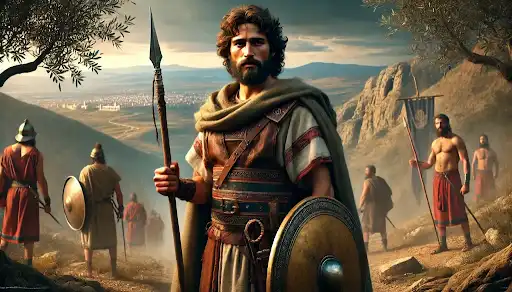
The story of High Priest Jonathan is not one of the most frequently discussed accounts in the Bible, yet it offers meaningful lessons for Christians today. Jonathan, often identified as Jonathan Maccabeus, emerged during a difficult season in Israel’s history. He was appointed high priest during a time of political unrest, foreign oppression, and spiritual struggle. His leadership shows how God can raise faithful people in challenging times.
For Christians, Jonathan’s life reminds us that spiritual leadership is not only about titles, but about courage, wisdom, and commitment to the people of God. Though his story is found in historical writings connected to the intertestamental period rather than the main canon of Scripture, the principles from his life still align with biblical truth.
Faithful Leadership in Difficult Seasons
Jonathan stepped into leadership when the Jewish people were under pressure from outside powers. Instead of retreating, he accepted responsibility and worked to preserve worship, identity, and unity among the people. True leaders often arise in moments of crisis.
This reflects the truth found in Proverbs 3:5-6, “Trust in the Lord with all your heart and lean not on your own understanding; in all your ways submit to him, and he will make your paths straight.”
Jonathan had to make wise decisions in unstable times. He could not rely only on human strategy. In the same way, Christians today are called to trust God when circumstances feel uncertain. Whether in family life, work, or the church, faithful leadership begins with dependence on the Lord.
Protecting Worship and Identity
As high priest, Jonathan’s role was not merely political. He was connected to the spiritual life of the nation. He understood that if the people lost their devotion, they would lose their strength. His service reminds us that worship must remain central.
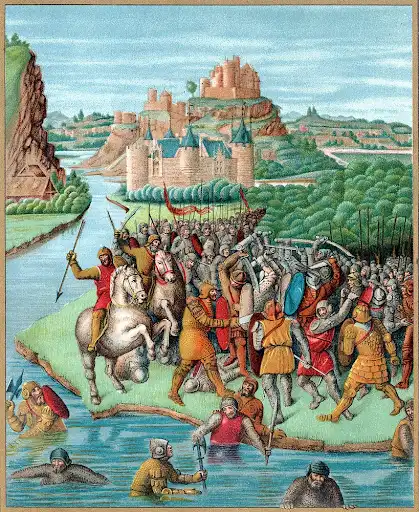
Modern Christians can learn from this. It is easy to become distracted by pressure, trends, or conflict. Yet prayer, obedience, and gathering with fellow Christians remain essential. Jonathan’s example points us toward guarding our spiritual identity.
This theme echoes Romans 12:1, “Offer your bodies as a living sacrifice, holy and pleasing to God—this is your true and proper worship.”
Worship is not confined to rituals alone. It is a daily life surrendered to the Lord. Jonathan’s dedication encourages us to keep faith at the center of our decisions.
A Reminder of the Greater High Priest
While Jonathan served an important role in history, his priesthood also reminds us of the need for a perfect and eternal High Priest—Jesus. Human leaders can guide people for a season, but only Christ fully reconciles humanity to God.
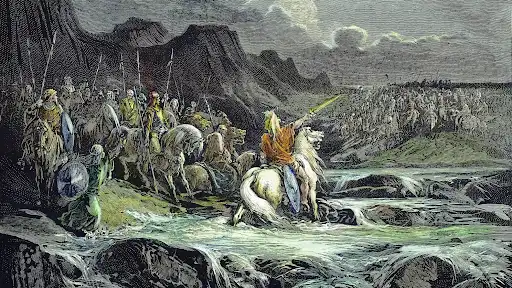
The gospel declares that Jesus became the final and perfect mediator, offering Himself for our salvation. Jonathan’s temporary service points forward to the lasting ministry of Christ.
When we study figures like Jonathan, we are reminded that God has always been at work through history, preparing hearts for the coming of His Son. His story encourages courage, steadfastness, and devotion—qualities still needed by Christians today.
High Priest Jonathan may be lesser known, but his legacy still speaks: remain faithful, protect what is sacred, and look ultimately to Jesus, our true and eternal High Priest.
*Cover Photo/Thumbnail Photo from Christian Publishing House
RELATED ARTICLES

WORLD WATERPARK ASSOCIATION AWARD CELEBRATES VIETNAM’S AQUATIC ENTERTAINMENT RISE

‘NBA Cares x Sands Cares Community Impact Week 2026’ Attracts Over 2,900 Participants Across Five Days

QR Ph and InstaPay payments nearly triple, but cash-on-delivery remains highest in PH

NOVI Health expands its longevity offering and grows its physician-led team