
Beyond the Ritual: Jesus and the Meaning of Fasting
SHARE
Explore how Jesus redefined fasting in the Bible, shifting focus from ritual to relationship and inviting Christians into deeper faith.
In the Bible, the question about fasting appears as a moment of tension between religious tradition and deeper spiritual truth. When people asked Jesus Christ why His disciples did not fast like others, His response revealed something far more profound than a simple rule about food. It pointed to the heart of what it means to live in a genuine relationship with God.
Fasting Is About Presence, Not Performance
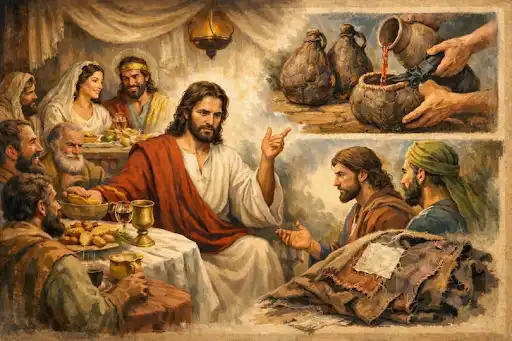
In Matthew 9:14–15, the disciples of John ask why Jesus’ followers do not fast. Jesus responds, “Can the wedding guests mourn as long as the bridegroom is with them?” Here, Jesus shifts the focus from ritual to relationship. Fasting, in Scripture, is often associated with mourning, repentance, and longing for God. Yet, in that moment, the presence of Christ changed everything. His disciples were not neglecting a command, they were responding to the reality that God was already with them.
For Christians today, this teaches an important principle: spiritual practices like fasting should never become empty routines. Instead, they should reflect our awareness of God’s presence. Whether through prayer, fasting, or worship, the goal is not outward compliance but inward connection.
The Heart Matters More Than the Habit
Jesus continues His explanation in Matthew 9:17 with a powerful analogy, “No one puts new wine into old wineskins…” This imagery highlights the incompatibility between old religious frameworks and the new life brought through the gospel. Fasting, when done without understanding, can become rigid and lifeless. But when aligned with faith and guided by the Holy Spirit, it becomes a meaningful expression of devotion.

Another key passage reinforces this truth. In Isaiah 58:6, God declares, “Is not this the kind of fasting I have chosen: to loosen the chains of injustice… and to set the oppressed free?” This verse reminds us that true fasting goes beyond personal sacrifice. It involves transformation—both within ourselves and in how we treat others. It is not merely about abstaining, but about becoming more aligned with God’s will.
A Call to Authentic Faith
The question about fasting ultimately invites Christians to examine their motivations. Are spiritual disciplines driven by obligation, or by a genuine desire to grow closer to God?
Fasting still holds value in the Christian life. It creates space for reflection, deepens prayer, and sharpens spiritual awareness. But as Jesus makes clear, it must flow from a sincere heart.

When practiced with the right intention, it becomes a powerful tool that strengthens faith and draws Christians nearer to Heaven.
In today’s fast-paced world, this message remains relevant. It challenges Christians to move beyond surface-level religion and embrace a living, dynamic relationship with God. The gospel is not about rigid systems—it is about renewal, grace, and transformation.
In the end, the story is not just about fasting. It is about understanding who Jesus is, recognizing His presence, and responding with authentic devotion.
*Cover Photo/Thumbnail Photo From Pexels
RELATED ARTICLES

Bold, Beautiful, Berry Purple: Experience the ‘Never Feel, Never Fall’ HUAWEI FreeClip 2 in its Most Expressive Color Yet

Collection of Ultraman History from Visionary Filmmaker Sompote Sands Heads to Auction for the First Time Commemorating the Pioneering Franchise’s 60th Anniversary

Marco’s first date, L.A’s growing “kilig” on regional dating show WINGMAN

Early Review Access: UGREEN’s Smarter Charging Lineup for Apple Season (Embargo: 30 September)

COVERAGE: James Reid lets his guard down on third studio album, Honey, I’m Home

Discover More Ways of Getting Work Done with the World’s Best Screen and PC-Level, AI-Powered Productivity on the Ultra-Thin HUAWEI MatePad Air, Available for Pre-Order
Bold, Beautiful, Berry Purple: Experience the ‘Never Feel, Never Fall’ HUAWEI FreeClip 2 in its Most Expressive Color Yet