

Latest Posts
The Sabbath Debate That Changed Everything
SHARE
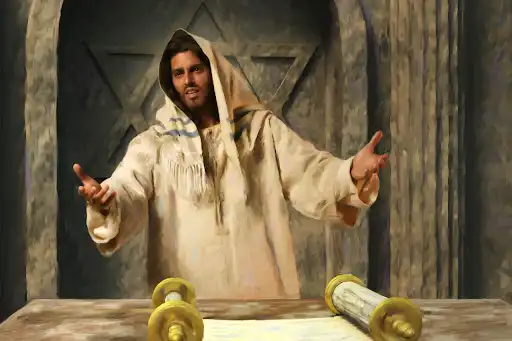
A reflective look at how Jesus redefined the Sabbath, revealing deeper truths about faith, mercy, and God’s purpose beyond religious tradition.
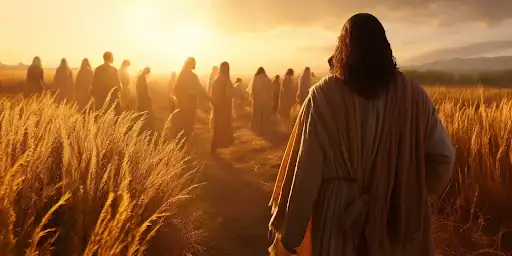
In the Bible, one of the most compelling events in the life of Jesus Christ is the issue of the Sabbath. Found in passages like Matthew 12 and Mark 2, religious leaders in Israel confronted Jesus when His disciples plucked grain on the Sabbath—a day traditionally set apart for rest and worship. To them, this act violated sacred law. But to Jesus, it revealed something deeper: a misunderstanding of God’s intention.
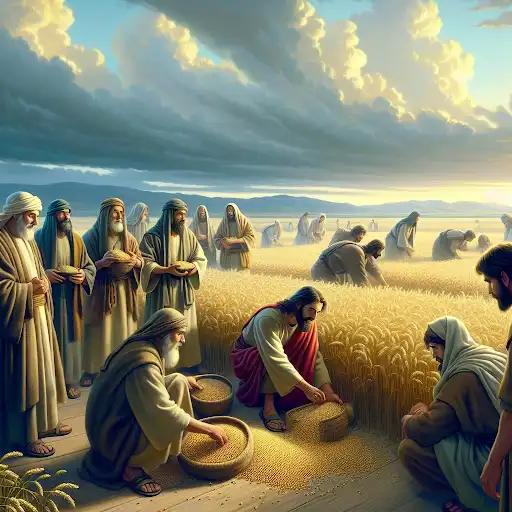
The Sabbath was not designed to restrict people but rather to bless and restore them to God. Yet over time, strict interpretations overshadowed its purpose. Jesus responded not by dismissing the law, but by restoring its meaning. As He declared, “The Sabbath was made for man, not man for the Sabbath” (Mark 2:27). This statement reframes the conversation—not as rule-breaking, but as truth-revealing.
Mercy Over Ritual
At the heart of this story is a tension still relevant today: the balance between obedience and compassion. Jesus pointed to examples from Scripture, including David eating consecrated bread, to illustrate that human need can take precedence over ritual observance. He emphasized that God values mercy more than sacrifice.
In Matthew’s account, Jesus says, “I desire mercy, not sacrifice” (Matthew 12:7). This echoes a consistent message throughout the gospel: external compliance without inward transformation misses the point. The religious leaders were meticulous in their observance, yet they failed to recognize the presence of the Holy Spirit working through Christ right before them.
For the modern church, this raises a critical reflection. Are practices and traditions helping cultivate genuine faith, or are they becoming barriers? The Sabbath question reminds us that spiritual disciplines should draw people closer to Heaven, not create distance through legalism.
The Lord of the Sabbath
Perhaps the most striking claim Jesus made in this exchange is His authority: “For the Son of Man is Lord of the Sabbath” (Matthew 12:8). This was not merely a theological statement—it was a declaration of identity. Jesus positioned Himself as the fulfillment of what the Sabbath pointed to: true rest found in God.
This shifts the focus from a specific day to a person. In Christ, rest is no longer confined to a calendar but is experienced through relationships. Faith becomes less about performance and more about trust—trust in the One who brings restoration and peace.
For Christians today, this story is an invitation to reexamine priorities. The Sabbath is still meaningful, but its ultimate purpose is to lead people into a deeper connection with God. It is not about restriction, but renewal.
A Rest That Transforms
The question about the Sabbath is more than a historical debate; it is a mirror reflecting how people approach God. Do we seek Him through rigid structures, or through a living, active faith? Jesus consistently redirected attention to what truly matters—love, mercy, and alignment with God’s heart.
As the gospel continues to shape lives, the lesson remains clear: God’s commands are not meant to confine but to free. True rest is found not in perfect rule-keeping, but in surrender to Christ. And in that surrender, we discover a deeper, more enduring peace that reflects the very nature of Heaven.
*Cover Photo/Thumbnail Photo From BibleInfo
RELATED ARTICLES

Smarter Sports and Health on Your Wrist: HUAWEI WATCH GT 7 Series and HUAWEI WATCH D3 Now Available for Pre-Order Starting at PHP 14,999

CRUNCHYROLL EXPANDS ITS ONE PIECE CATALOG ACROSS SOUTHEAST ASIA

CRUNCHYROLL REVEALS “SEKIRO: NO DEFEAT” WILL STREAM WEEKLY AS A SERIES BEGINNING JANUARY 2027

Rolex tops Asia retail brand conviction ranking as more consumers recommend it than currently buy it