

The Rise and Fall of God’s Chosen Leaders

SHARE
A reflective look at Bible leaders chosen by God who fell from grace, revealing timeless lessons on faith, obedience, and spiritual vigilance.
Throughout the Bible, we encounter leaders who were clearly chosen by God, anointed for purpose, and positioned to guide His people. Yet some of these individuals drifted from righteousness and ultimately fell into disobedience and moral failure. Their stories are not merely historical; they serve as sobering reminders for anyone seeking to live a life rooted in faith and obedience.
The Subtle Drift from Obedience
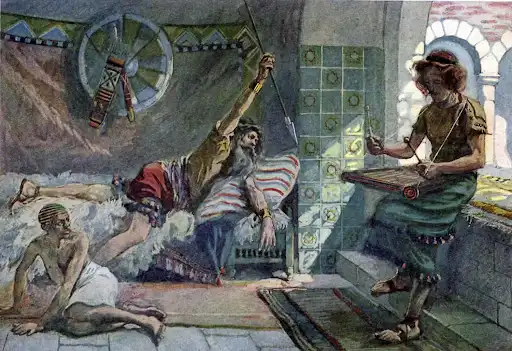
One of the most striking examples is King Saul, the first king of Israel. Selected by God and empowered for leadership, Saul initially showed humility and promise. However, his growing insecurity and disobedience led to his downfall. In 1 Samuel 15:22-23, the prophet Samuel confronts him: “To obey is better than sacrifice… Because you have rejected the word of the Lord, He has rejected you as king.” Saul’s story highlights a critical truth: being chosen does not guarantee remaining faithful.
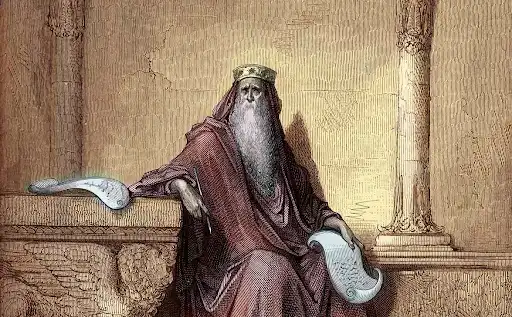
Another example is King Solomon, known for his wisdom and wealth. Early in his reign, Solomon sought God earnestly, even building the temple and leading Israel in worship. Yet over time, his heart turned. Influenced by foreign alliances and personal desires, he embraced idolatry, distancing himself from the very God who blessed him.
This pattern reveals a consistent theme: the drift away from God is often gradual, not immediate. It can begin with small compromises—decisions that seem harmless but slowly erode spiritual integrity. The Holy Spirit calls us to remain vigilant, recognizing that leadership comes with both influence and accountability.
Even in the New Testament, leaders within the early church were warned about falling away. The message is clear: no one is exempt from the need for ongoing surrender and alignment with God’s will.
Lessons for Modern Christians
These biblical accounts are not meant to discourage but to instruct and guide. They remind us that leadership in God’s kingdom is not sustained by status but by obedience, humility, and reliance on His presence. The gospel emphasizes transformation, but it also calls for perseverance.

In 1 Corinthians 10:12, we are cautioned: “So, if you think you are standing firm, be careful that you don’t fall!” This verse underscores the importance of self-awareness and dependence on God. Whether in ministry, the workplace, or personal life, we are called to remain grounded in truth and guided by the Holy Spirit.
The hope, however, lies in God’s grace. While some leaders fell without repentance, others, like King David, demonstrated that failure does not have to be final. Though flawed, David’s heart continually turned back to God, reminding us that restoration is always possible through sincere repentance.
Ultimately, these stories point us back to Jesus—the perfect leader who never faltered. Unlike earthly kings, His reign is righteous and eternal, offering a path to Heaven for those who follow Him. For every Christian, the challenge is not just to begin well, but to remain faithful until the end.
*Cover Photo/Thumbnail Photo from Answered Faith
RELATED ARTICLES

Bold, Beautiful, Berry Purple: Experience the ‘Never Feel, Never Fall’ HUAWEI FreeClip 2 in its Most Expressive Color Yet

Collection of Ultraman History from Visionary Filmmaker Sompote Sands Heads to Auction for the First Time Commemorating the Pioneering Franchise’s 60th Anniversary

Marco’s first date, L.A’s growing “kilig” on regional dating show WINGMAN

Early Review Access: UGREEN’s Smarter Charging Lineup for Apple Season (Embargo: 30 September)

COVERAGE: James Reid lets his guard down on third studio album, Honey, I’m Home

Discover More Ways of Getting Work Done with the World’s Best Screen and PC-Level, AI-Powered Productivity on the Ultra-Thin HUAWEI MatePad Air, Available for Pre-Order
Bold, Beautiful, Berry Purple: Experience the ‘Never Feel, Never Fall’ HUAWEI FreeClip 2 in its Most Expressive Color Yet