Breaking Down the Branches of Christianity: Catholic, Orthodox, and Protestant
SHARE
Christianity, though unified in its belief in Jesus Christ as Lord and Savior, is expressed in three main branches: Catholic, Orthodox, and Protestant. Each tradition has its own history, theology, and style of worship—yet all aim to follow Christ and the teachings of Scripture.
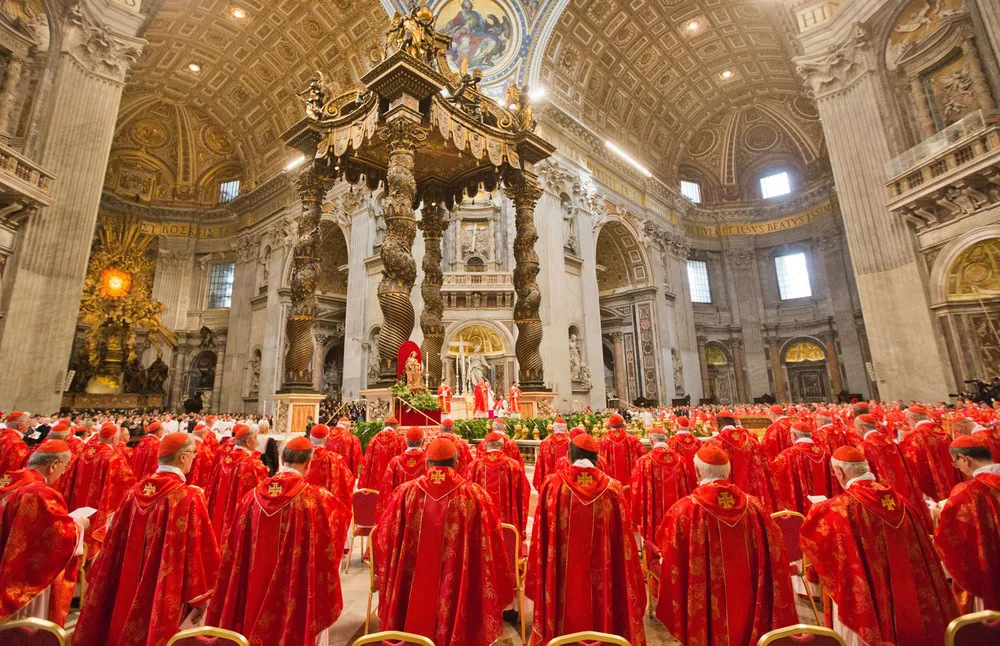
The Roman Catholic Church, the largest and most globally widespread branch, traces its roots to the apostles, particularly Peter, whom Catholics believe was the first pope.
Roman Catholicism emphasizes tradition alongside Scripture, the authority of the pope, and seven sacraments—including baptism, the Eucharist, and confession—as essential means of grace. Worship is liturgical, often marked by incense, sacred imagery, and solemn rituals.
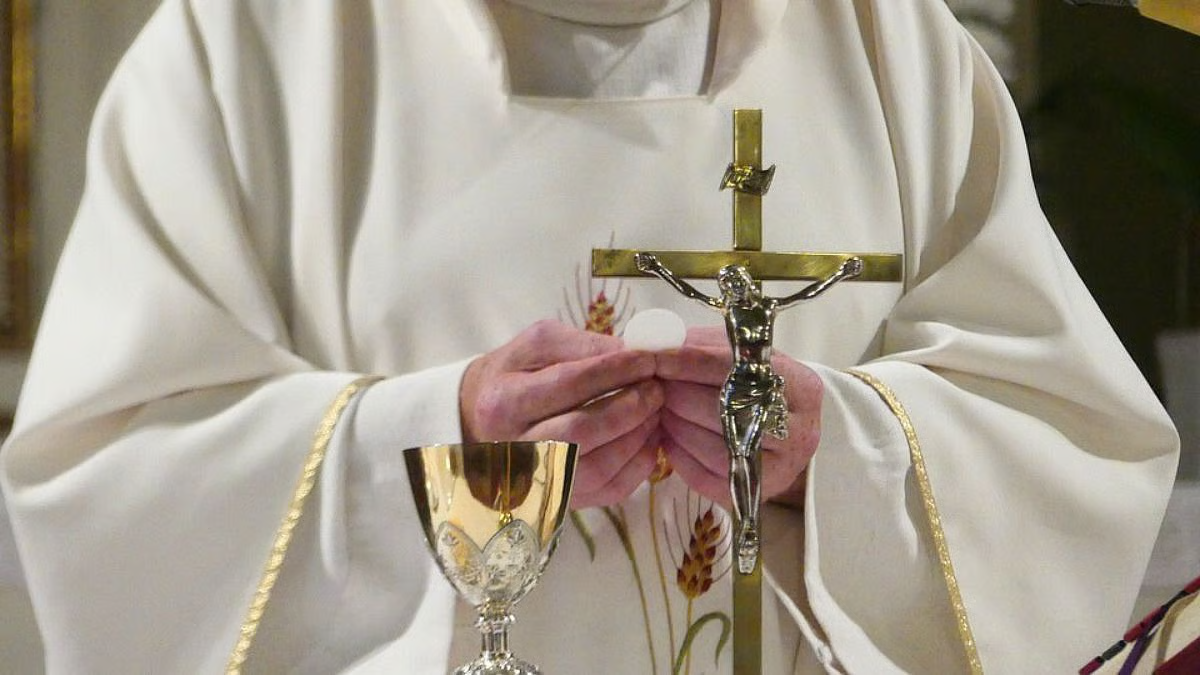
Central to Catholic doctrine is the belief in transubstantiation: that the bread and wine in communion become the actual body and blood of Christ. Catholics also venerate saints and the Virgin Mary, seeking their intercession in prayer.
Leadership is hierarchical, headed by the pope in Rome, followed by cardinals, bishops, and priests. Over centuries, the Catholic Church has shaped Christian thought through figures like Thomas Aquinas, Augustine, and Teresa of Avila.
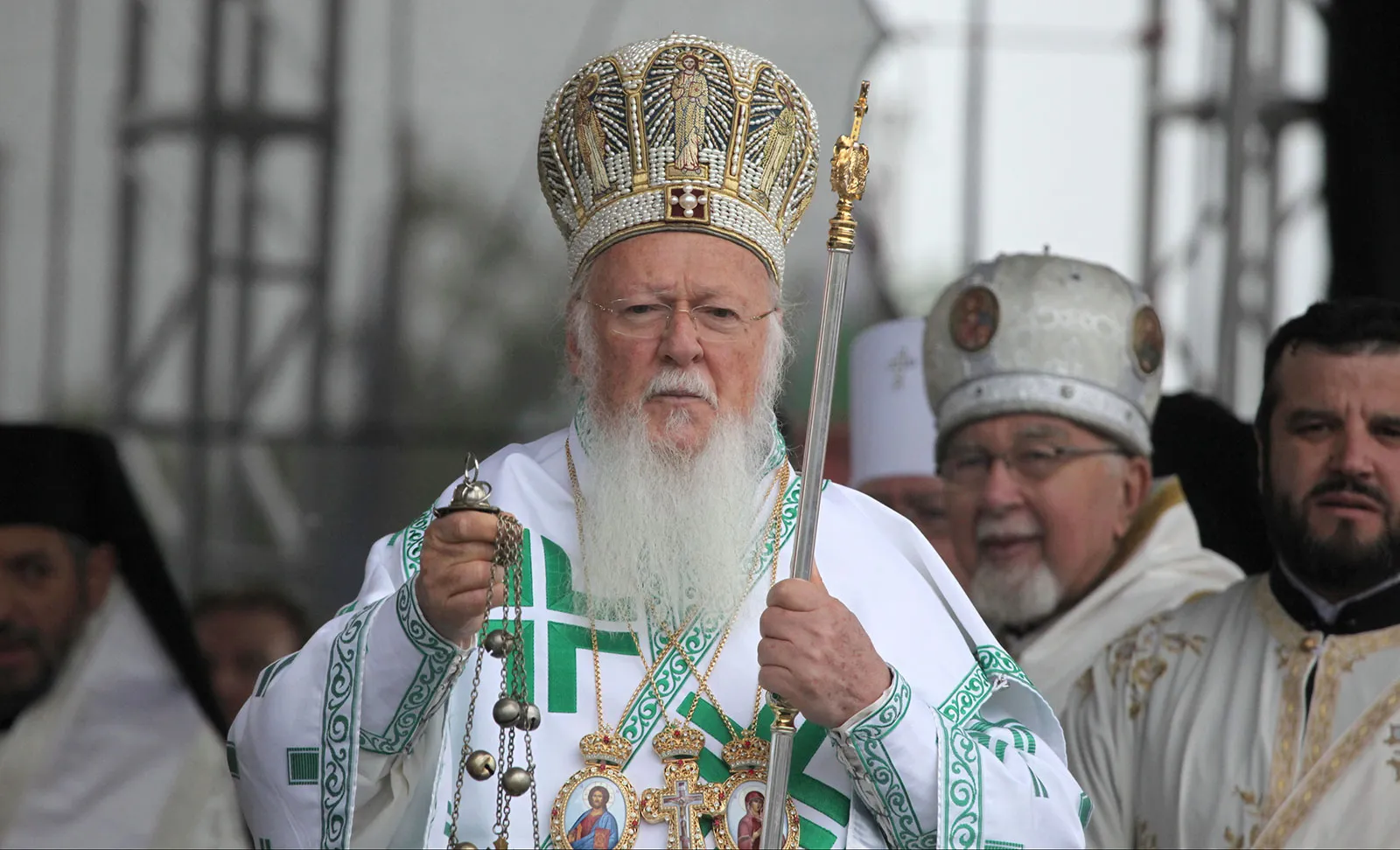
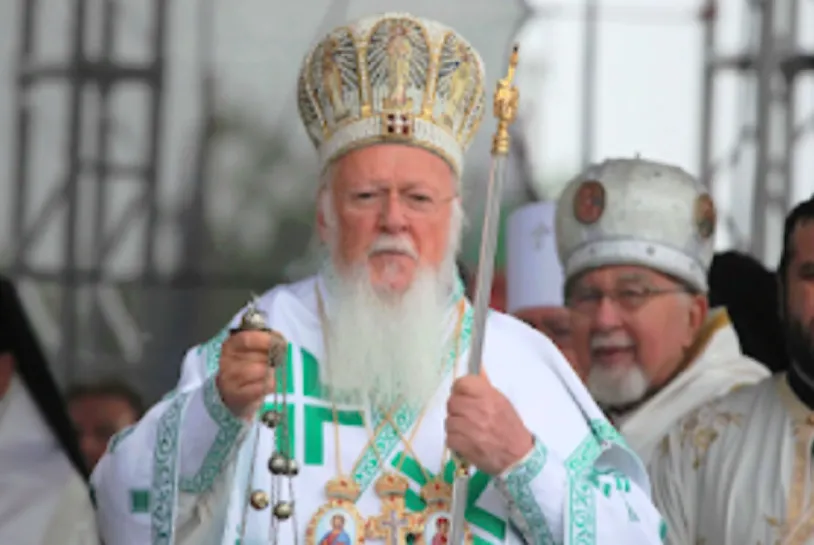
Eastern Orthodoxy, often simply called the Orthodox Church, also claims apostolic roots and remains especially prominent in Eastern Europe and the Middle East. In 1054, the Great Schism split the Christian Church into East and West, mainly over theological and political differences, including the role of the pope and the wording of the Nicene Creed.
Orthodox worship centers around the Divine Liturgy, a deeply sensory experience filled with chanting, incense, and icon veneration. Icons are not seen as idols, but as “windows to heaven.”
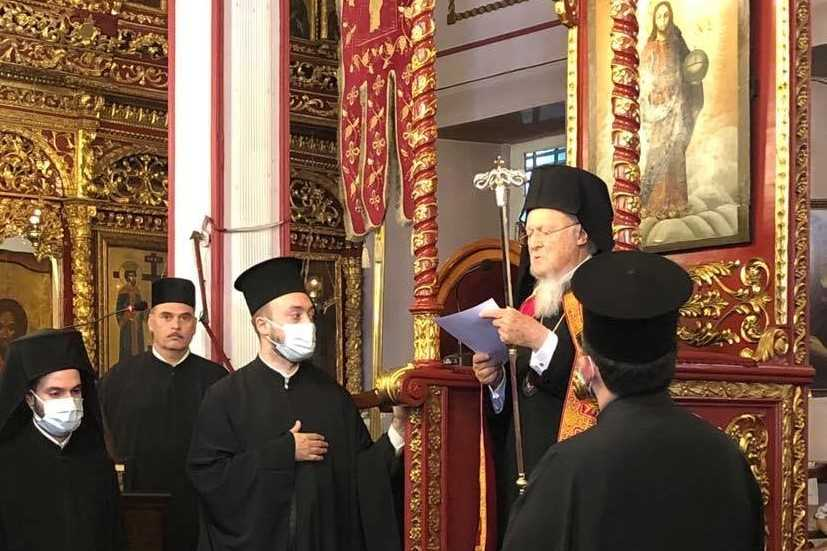
While Orthodox theology holds Scripture in high regard, it places a strong emphasis on Holy Tradition—the teachings of the early church fathers and ecumenical councils. A distinctive belief is theosis, the idea that salvation involves becoming united with God.
Unlike Roman Catholicism, Orthodoxy does not have a single earthly head but is made up of autocephalous (self-governing) churches led by patriarchs or metropolitans.
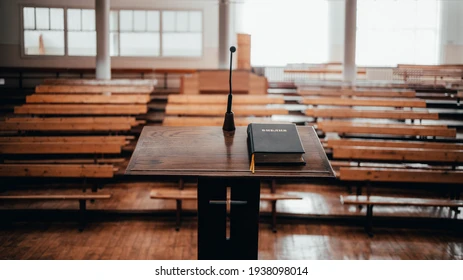
Protestantism, born out of the 16th-century Reformation, emphasizes “Scripture alone” (Sola Scriptura) as the highest authority. Reformers like Martin Luther and John Calvin protested certain doctrines and practices of the Catholic Church, notably indulgences and papal supremacy. Instead, they taught that salvation comes by grace through faith in Christ alone.
Protestant churches vary widely—from the liturgical Anglicans to the more free-form Baptists and Pentecostals—but all generally share core beliefs in the Bible as the ultimate guide, justification by faith, and the priesthood of all believers.
Most Protestant traditions recognize only two ordinances—baptism and the Lord’s Supper—and reject the veneration of saints or Mary. Governance structures differ, with some led by bishops (Anglicans), elders (Presbyterians), or independent congregations (Baptists).
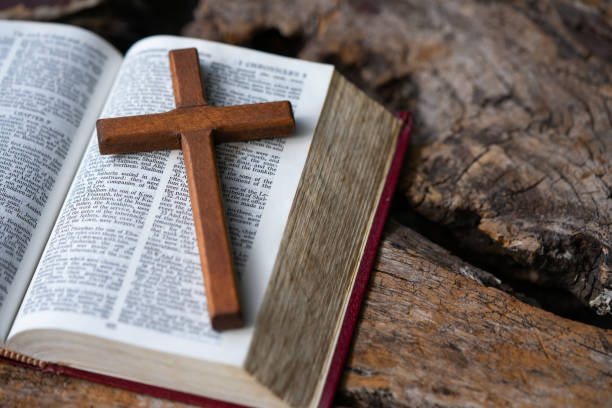
While these three branches differ in practice and emphasis, they each represent a rich and enduring effort to live out the gospel. Understanding their distinctives helps deepen our appreciation for the global and historical breadth of the Christian faith.
*Cover Photo/Thumbnail Photo from britannica.com
RELATED ARTICLES

Clockenflap Announces Thrilling First Wave Lineup, Including HAYLEY WILLIAMS, c, SLOWDIVE, MALCOLM TODD, QUEENS OF THE STONE AGE and Many More!

PUMA and Rosé Launch Two New Earthy Speedcat Colorways This October

JULIEN’S AUCTIONS ANNOUNCES “PAUL REUBENS’ BIG AUCTION”

Smarter Sports and Health on Your Wrist: HUAWEI WATCH GT 7 Series and HUAWEI WATCH D3 Now Available for Pre-Order Starting at PHP 14,999