

What the Parable of the Growing Seed Reveals About Faith

SHARE
Through the parable of the growing seed, explore how God nurtures faith quietly and why trusting His timing changes everything.
In the Bible, Jesus often used simple, everyday imagery to communicate profound spiritual truths. One such example is the Parable of the Growing Seed found in Scripture. Though brief, it offers deep insight into how the Kingdom of God works and what it means for Christians living by faith today.
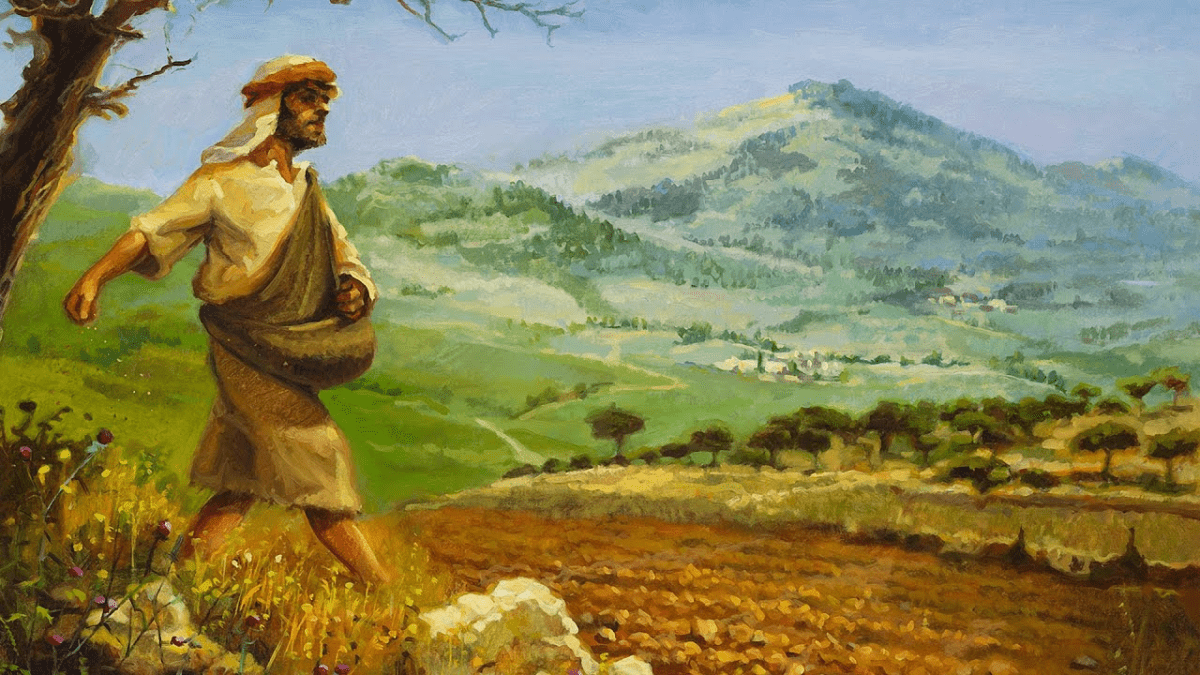
In Gospel of Mark 4:26–27, Jesus says: “This is what the kingdom of God is like. A man scatters seed on the ground. Night and day, whether he sleeps or gets up, the seed sprouts and grows, though he does not know how.” At first glance, the message seems simple—but beneath it lies a powerful truth about trust, patience, and divine work.
Growth Happens Through God’s Power
The parable reminds us that spiritual growth is ultimately the work of God, not human effort alone. The farmer scatters the seed, but he does not control its growth. In the same way, Christians are called to live out the gospel, share truth, and remain rooted in prayer, but transformation happens through the work of the Holy Spirit.
This can be both humbling and freeing. It means that while discipline and obedience matter, we are not responsible for forcing results. Growth in our lives—and in the lives of others—is often unseen and mysterious. Faith requires trusting that God is working even when there are no visible signs.
Faith Requires Patience and Trust
Another key lesson from this parable is the importance of patience. The farmer does not dig up the seed to check if it is growing. He trusts the process. Likewise, in our walk with God, we may experience seasons where progress feels slow or even stagnant.
Yet, the Scripture assures us that growth is happening beneath the surface. As Epistle to the Galatians 6:9 encourages, “Let us not become weary in doing good, for at the proper time we will reap a harvest if we do not give up.” This verse aligns with the message of the parable—there is a divine timing at work.
For many Christians, this is a needed reminder. Whether it’s personal spiritual growth, unanswered prayers, or sharing faith with others, God’s timeline rarely matches our own. But it is always purposeful.
The Harvest Is Certain
The parable concludes with a promise of harvest. In Mark 4:28–29, Jesus explains that the seed eventually produces grain, leading to a time of reaping. This points to the certainty of God’s plan and the reality of Heaven.
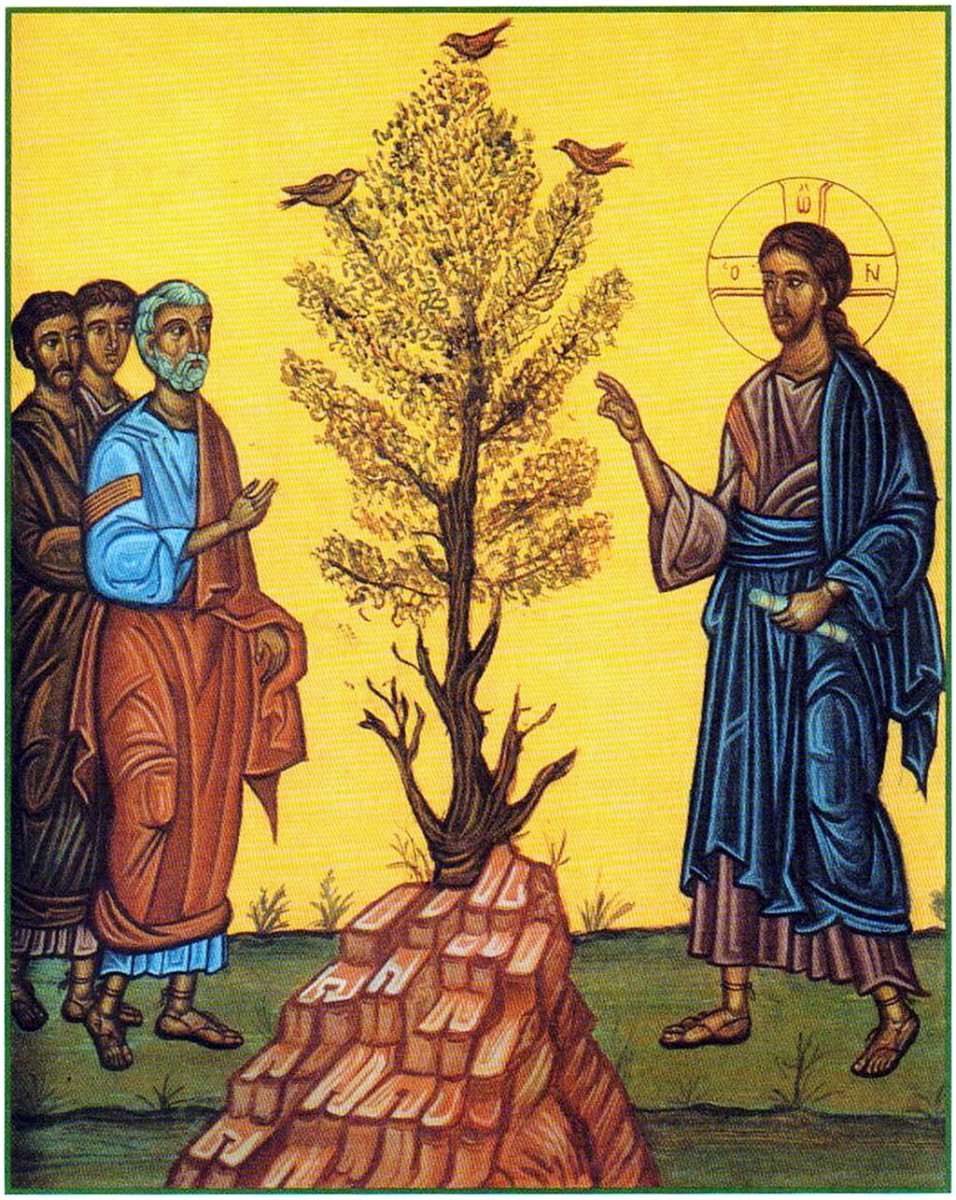
The growth may be gradual and hidden, but the outcome is assured. For Christians, this reinforces hope. Every act of faith, every moment of obedience, and every seed planted in love has eternal significance.
It also challenges us to remain faithful in the small things. The farmer’s role is consistent, not spectacular. In the same way, daily faithfulness—reading the Bible, engaging in prayer, and living out the gospel—plays a part in God’s greater story.
The Parable of the Growing Seed invites us to trust deeply in God’s unseen work. It encourages us to live faithfully, wait patiently, and believe confidently that what God begins, He will bring to completion.
*Cover Photo/Thumbnail Photo From Gary Neal Hansen
RELATED ARTICLES

‘NBA Cares x Sands Cares Community Impact Week 2026’ Attracts Over 2,900 Participants Across Five Days

QR Ph and InstaPay payments nearly triple, but cash-on-delivery remains highest in PH

NOVI Health expands its longevity offering and grows its physician-led team

Uzbekistan Hospitality Group TEG Completes U.S. Business Combination