

Latest Posts
The Parable of the Sower and the State of Our Hearts
SHARE
A deeper look at Jesus’ Parable of the Sower and what it reveals about the human heart, faith, and how we respond to God’s Word.
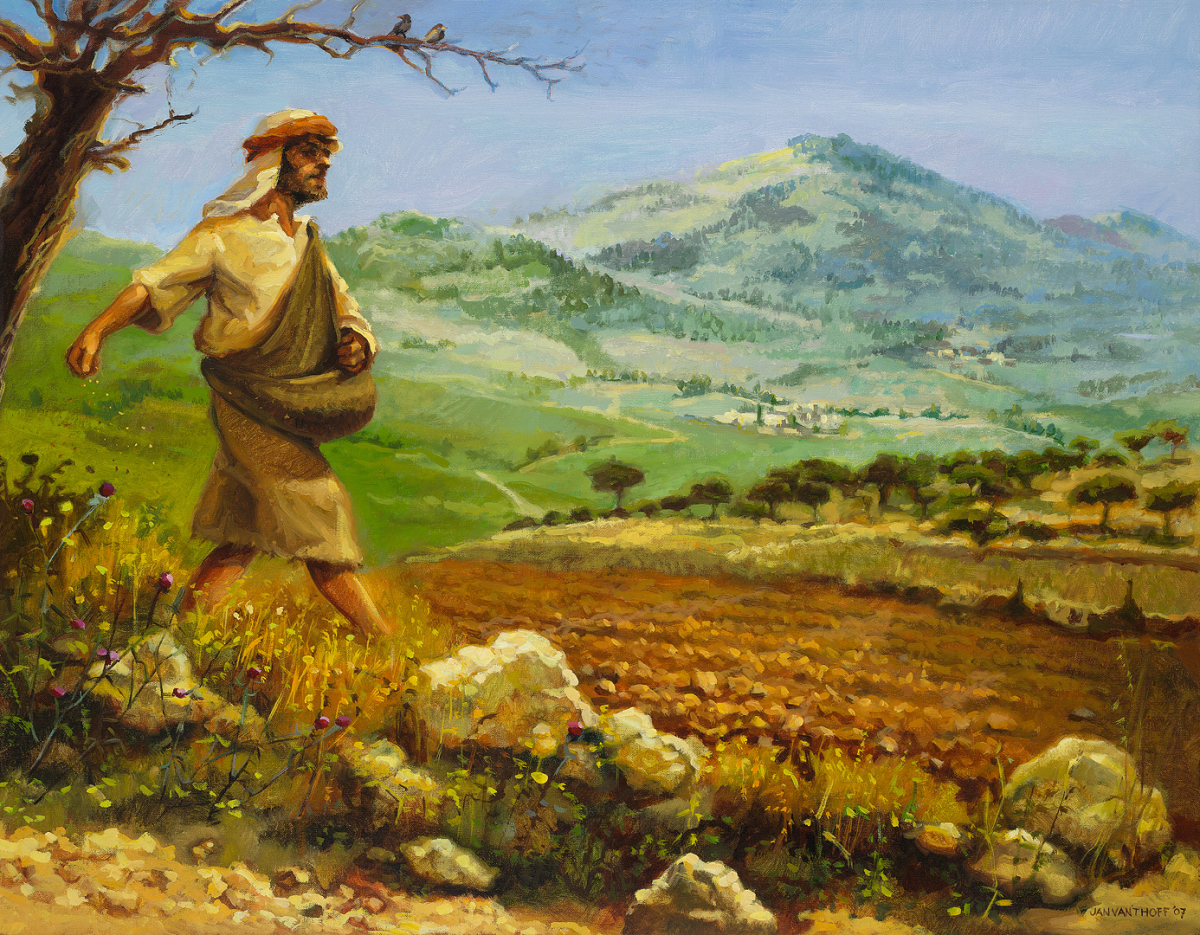
In the Bible, Jesus often used stories to reveal deeper spiritual truths, and the Parable of the Sower is one of the most widely recognized. Found in Matthew 13, this teaching illustrates how people respond differently to the Word of God. Rather than focusing solely on the sower or the seed, the parable emphasizes the condition of the soil—symbolizing the human heart.
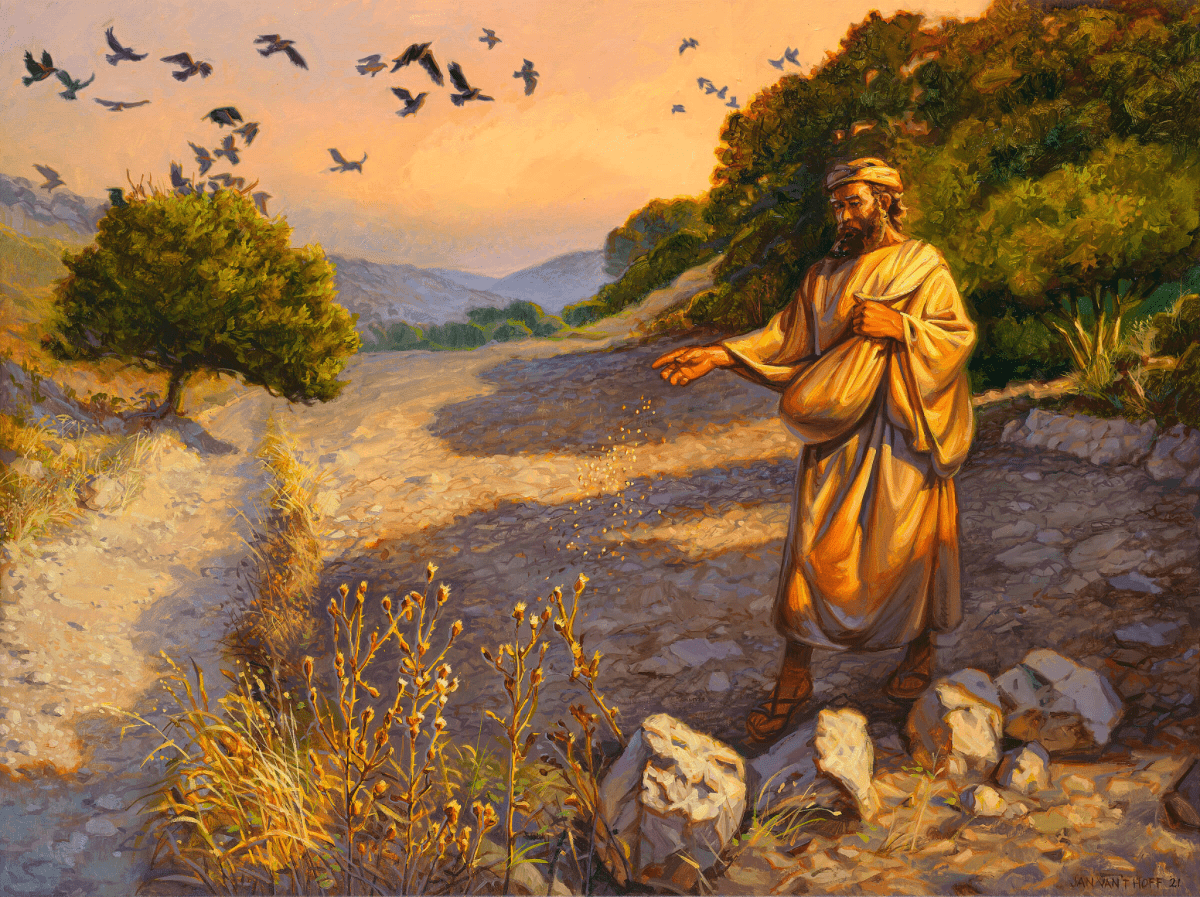
Jesus explains, “When anyone hears the message about the kingdom and does not understand it, the evil one comes and snatches away what was sown in their heart” (Matthew 13:19). This highlights a crucial truth: spiritual understanding is not automatic. It requires openness, humility, and a willingness to receive Scripture.
For Christians, this becomes a call to examine their inner lives. Are we distracted, hardened, or spiritually shallow? Or are we cultivating a heart that is receptive to truth? The parable challenges us to move beyond passive listening and toward active transformation.
Obstacles to Spiritual Growth
The different types of soil represent common barriers to spiritual maturity. The path reflects those who hear but quickly lose the message. Rocky ground represents those who initially receive the gospel with joy but fall away when challenges arise. Thorny soil illustrates how life’s worries and the pursuit of wealth can choke spiritual growth.
These obstacles remain relevant today. In a fast-paced world filled with noise and pressure, it is easy for faith to become secondary. Distractions can dull sensitivity to the Holy Spirit, while difficulties may test commitment.
This is why prayer and intentional reflection are essential. Growth in faith does not happen by accident—it requires consistency and a conscious effort to stay rooted in God’s truth. The parable reminds us that external circumstances often reveal the depth of internal conviction.
Bearing Fruit Through a Receptive Life
The final type of soil—the good ground—represents those who hear, understand, and live out the Word. Jesus describes this response as fruitful, producing a harvest far beyond what was sown.
As stated in Matthew 13:23, “But the seed falling on good soil refers to someone who hears the word and understands it. This is the one who produces a crop, yielding a hundred, sixty or thirty times what was sown.” This verse emphasizes that genuine faith leads to visible change.

A fruitful life is not about perfection but about progression. It reflects a growing relationship with God, shaped by obedience and trust. When Christians remain grounded in the gospel, their lives begin to reflect the values of Heaven—love, patience, and perseverance.
Ultimately, the Parable of the Sower is both a warning and an invitation. It warns against complacency but invites deeper engagement with truth. For those willing to listen and respond, it offers a powerful reminder: transformation begins in the heart, but its impact reaches far beyond it.
*Cover Photo/Thumbnail Photo From Gospelimages
RELATED ARTICLES

Smarter Sports and Health on Your Wrist: HUAWEI WATCH GT 7 Series and HUAWEI WATCH D3 Now Available for Pre-Order Starting at PHP 14,999

CRUNCHYROLL EXPANDS ITS ONE PIECE CATALOG ACROSS SOUTHEAST ASIA

CRUNCHYROLL REVEALS “SEKIRO: NO DEFEAT” WILL STREAM WEEKLY AS A SERIES BEGINNING JANUARY 2027

Rolex tops Asia retail brand conviction ranking as more consumers recommend it than currently buy it