



More Than a Miracle: Jesus Heals a Paralyzed Man
SHARE
This feature examines Jesus healing the paralyzed man, uncovering lessons on forgiveness, faith, and spiritual renewal.
The story of Jesus Christ healing the paralyzed man is one of the most powerful moments recorded in the Bible. Found in multiple accounts within the Scripture, this story is more than a miraculous healing; it is a profound reflection of faith, forgiveness, and the authority of God.
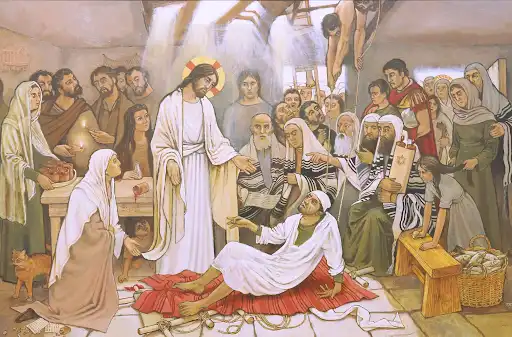
In Mark 2:3–5, we read how four men carried their paralyzed friend to Jesus. Unable to get through the crowd, they lowered him through the roof. Their determination reflects a kind of faith that refuses to be limited by obstacles. It is a reminder for Christians today that genuine faith often requires action—persistent, creative, and bold.
As written in Mark 2:5, “When Jesus saw their faith, he said to the paralyzed man, ‘Son, your sins are forgiven.’” This moment reveals something deeper: Jesus responds not just to individual belief, but to communal faith. It challenges the church to reflect on how often do we carry others in prayer, bringing them closer to healing and hope?
Forgiveness Before Healing
Interestingly, Jesus first addresses the man’s spiritual condition before his physical need. Instead of immediately restoring his ability to walk, He declares forgiveness. This was controversial at the time, as only God could forgive sins. Yet, this act underscores a central truth of the gospel: spiritual restoration is the greater miracle.
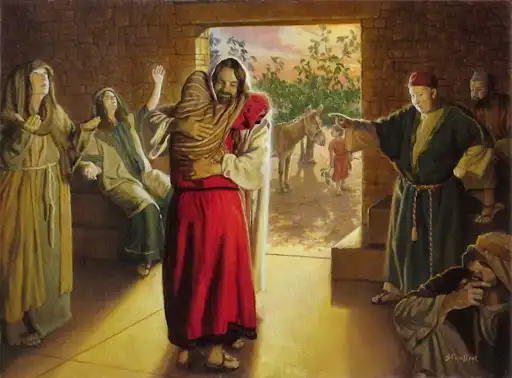
For many Christians, this raises an important reflection: do we seek God only for visible solutions, or are we open to deeper transformation through the Holy Spirit? The story suggests that healing is not just about the body but about the soul’s reconciliation with God.
Jesus later affirms His authority with a visible miracle, as written in Mark 2:10-11, “But I want you to know that the Son of Man has authority on earth to forgive sins.” So he said to the man, “I tell you, get up, take your mat and go home.”
The man rises, fully restored. This sequence shows that Heaven’s priorities often begin within. It starts with forgiveness, then healing. It’s an order that invites us to realign their own expectations in prayer and faith.
A Call to Active, Living Faith
This story ultimately calls Christians to a living, active faith. The four friends did not wait for circumstances to improve; they acted decisively. Their faith became a channel for another person’s miracle.
In today’s context, this can translate into how we support one another through encouragement, intercession, and practical help. Faith is not passive; it moves, lifts, and even breaks barriers when necessary.

The healed man’s response also matters. He obeys immediately, walking out in full view of all. His life becomes a testimony of God’s power, reinforcing how personal transformation can influence a wider community.
The healing of the paralyzed man is not just a story of physical restoration. It is a layered message about faith, forgiveness, and divine authority. It reminds us that God sees beyond the surface, responding to both visible needs and hidden struggles.
For those navigating challenges today, this passage offers a quiet encouragement: bring your burdens to Jesus, whether through your own faith or through others who carry you in prayer. In doing so, you may discover that the greatest healing begins within, and flows outward in ways only God can orchestrate.
*Cover Photo/Thumbnail Photo from Heaven on Wheels
RELATED ARTICLES

Travelers from Japan, South Korea, and Hong Kong Invited to Explore Qixingtan with An Ji-Hyun and Experience Hualien, Eastern Taiwan’s “City of Healing”

The Eurovision Effect: Agoda Maps Asia’s Travel Interest Ahead of the Bangkok Grand Final

RENAISSANCE HOTELS REIMAGINES EVENINGS ACROSS ASIA PACIFIC WITH NEW BEVERAGE RITUALS COLLECTION

Hengqin Chimelong Resort: An All-in-One Getaway Beyond Hong Kong & Macau