
The Powerful Change in the Heart of Joseph’s Brother Judah

SHARE
Judah’s journey from betrayal to sacrifice offers timeless lessons on grace, spiritual growth, and God’s purpose in the Bible.
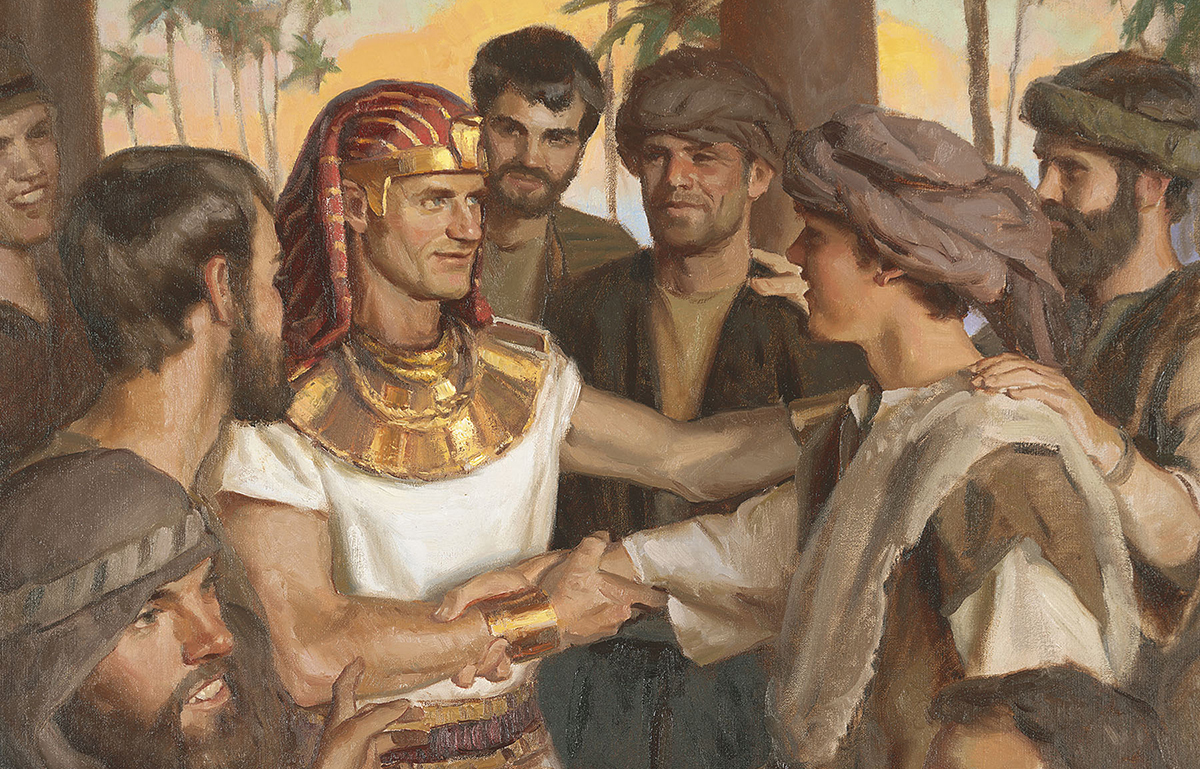
Image: Westwhite.net
The story of Judah, one of Joseph’s brothers in the Bible, is often overshadowed by Joseph’s rise to power in Egypt. Yet Judah’s transformation is one of the most meaningful redemption stories in Scripture. His journey reveals how God can shape imperfect people into instruments of purpose, leadership, and restoration.
Judah was not introduced as a hero. In fact, some of his early decisions reflected selfishness and poor judgment. However, over time, his character changed dramatically. For Christians today, his story serves as a reminder that spiritual growth is possible through repentance, humility, and faith.
Judah’s Early Failures Reveal Human Weakness
Judah first appears prominently in Genesis when Joseph’s brothers plot against him out of jealousy. While some brothers wanted to kill Joseph, Judah suggested selling him instead.
As written in Genesis 37:26–27, “What profit is it if we slay our brother and conceal his blood? Come, and let us sell him…”
Although Judah prevented murder, he still participated in betrayal. This moment reflects a common human struggle: choosing convenience over righteousness. Like many people in Israel during biblical times, Judah acted according to fear, pride, and self-interest rather than trusting God fully.
For modern Christians, this part of the story is deeply relatable. Even faithful people can make damaging decisions when they ignore wisdom, prayer, and conviction from the Holy Spirit. Judah’s mistakes remind the church that spiritual maturity is not immediate. It often develops through painful consequences and honest reflection.
A Heart Changed Through Responsibility
Later in Genesis, Judah begins to change. When famine forces the brothers to return to Egypt, Judah steps forward as a protector of his family, especially Benjamin. Unlike his earlier actions toward Joseph, he now shows responsibility and sacrificial love.
One of the most powerful moments occurs in Genesis 44:33 when Judah offers himself in Benjamin’s place, “Now therefore, please let your servant remain instead of the lad as a slave to my lord.”
This statement reveals a completely different man. Judah, once willing to sell a brother, is now willing to sacrifice himself for one. His transformation demonstrates how God works through conviction and experience to produce genuine change.

For Christians, Judah’s growth points toward the gospel itself. Redemption is not about pretending past sins never happened. Instead, it is about allowing God to reshape the heart. Through faith, people can become more compassionate, accountable, and spiritually grounded.
Judah’s Legacy Points to Jesus
Perhaps the most significant lesson from Judah’s story is found in his legacy. Despite his failures, Judah became the ancestor of Jesus Christ. This truth highlights the grace of God throughout the Bible.
Genesis 49:10 prophesies leadership through Judah’s line, eventually fulfilled in Jesus, often called the “Lion of the tribe of Judah.” This connection shows that God’s plan can unfold even through broken families and imperfect individuals.
Judah’s story encourages us not to define themselves solely by past failures. Through prayer, obedience, and the guidance of the Holy Spirit, lives can change for the better. His journey also reminds the church that God often chooses flawed people to accomplish extraordinary purposes.
In the end, Judah’s life is not merely about failure or redemption alone. It is about how God transforms hearts and weaves grace into the larger story of faith, hope, and salvation.
*Cover Photo/Thumbnail Photo From Biblia Sagrada Online
RELATED ARTICLES

Ball Over Everything in NBA®2K27 Now Available

Become the Pinnacle Life form with Loveless the Hacker in the New Borderlands 4 Gameplay Spotlight, DevCast, and Character Short

WHAT HAPPENS WHEN WE STOP TREATING PEOPLE AS DISPOSABLE?

Marco Gallo and L.A Aguinaldo look for love in regional reality dating show WINGMAN