
Was the Forbidden Tree a Test from God?
SHARE
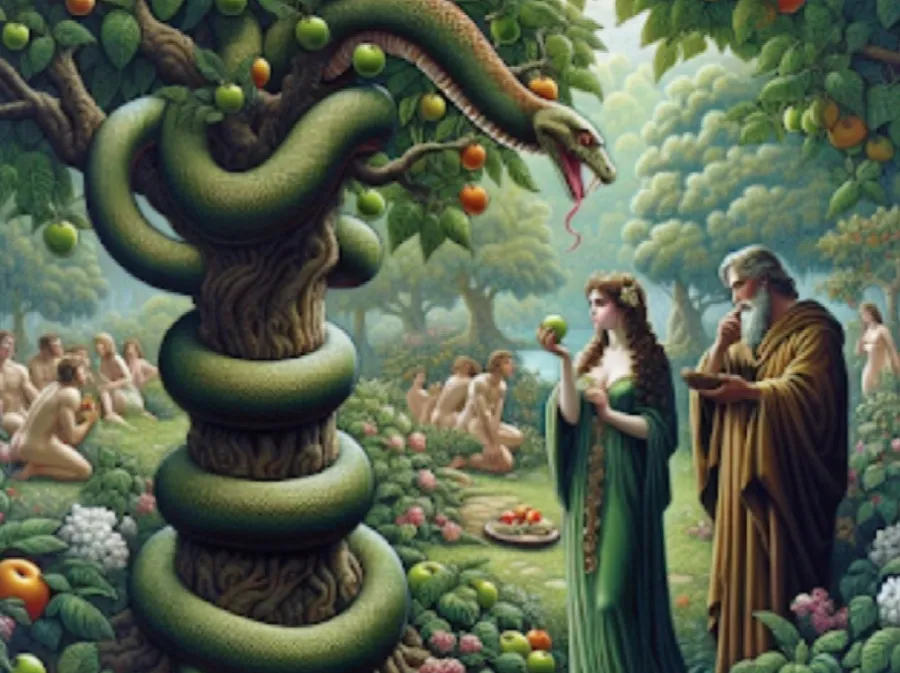
From the moment Adam and Eve walked in the Garden of Eden, the Tree of the Knowledge of Good and Evil stood not just as a physical presence—but as a divine marker. Planted in the heart of paradise (Genesis 2:9), this tree was unlike any other.
Not because it bore strange fruit, but because it bore a clear command: “You shall not eat of the tree… for in the day that you eat of it you shall surely die” (Genesis 2:17).

But was this tree merely a boundary—or was it a deliberate test from God?
The answer is both simple and profound: yes, it was a test. But not in the cruel sense we often imagine when we think of trials. God’s intention was never to trap humanity into failure. Rather, the forbidden tree was a test of trust, a chance for Adam and Eve to live in obedience, freely choosing to walk with God instead of apart from Him.
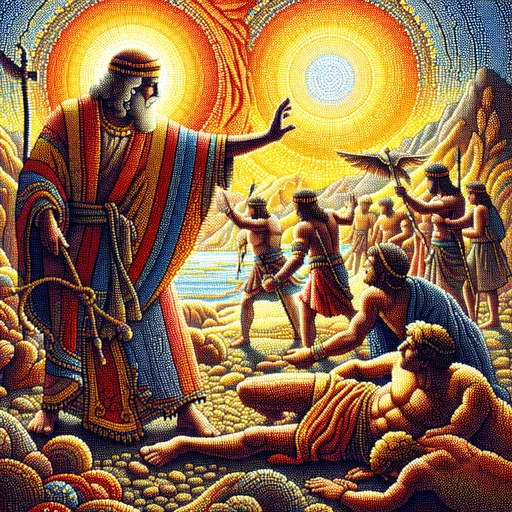
Tests in Scripture are not rare. From Abraham being asked to sacrifice Isaac (Genesis 22), to Jesus being tempted in the wilderness (Matthew 4), God allows tests to reveal hearts—not to destroy them. James 1:3 reminds us, “The testing of your faith produces steadfastness.” Similarly, the tree was an invitation for Adam and Eve to prove their love through obedience, just as a bride and groom choose one another in covenant love.

What made this test so pivotal was not the fruit itself, but the decision it represented. God had given Adam and Eve everything—“every tree… for food” (Genesis 2:16)—but set aside one tree to remain untouched. In a world of abundance, would they trust the Giver or crave what was withheld?
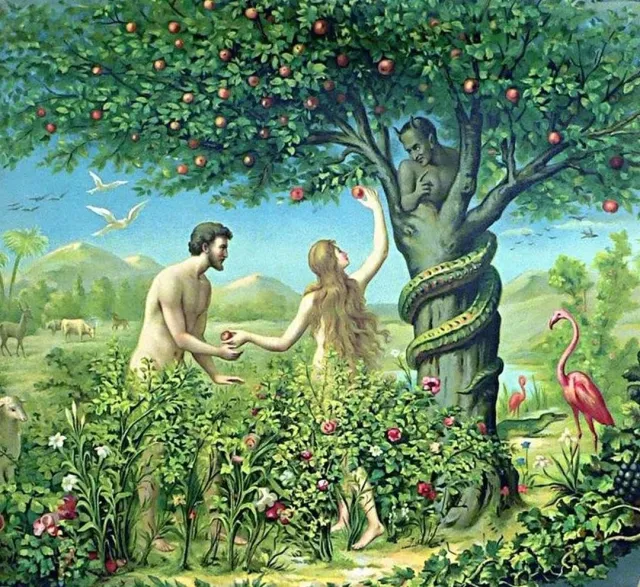
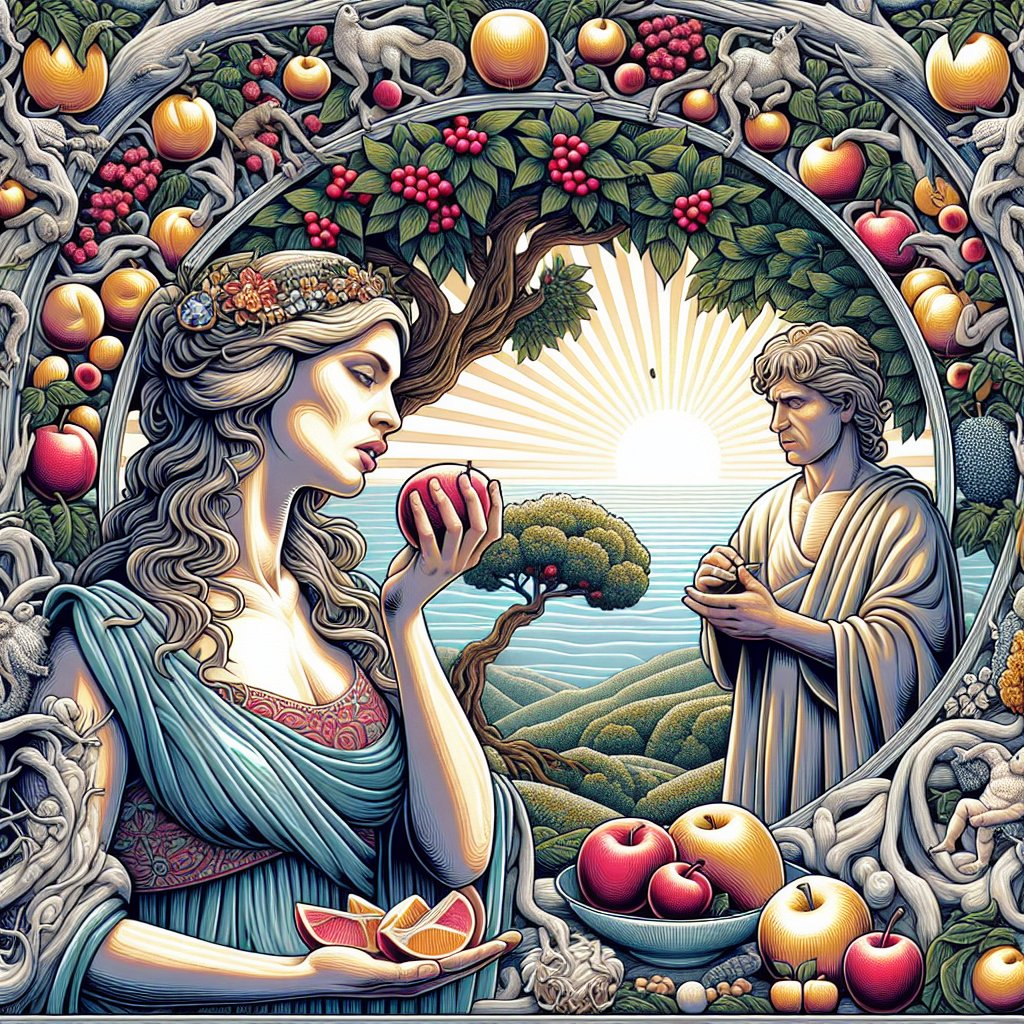
Satan’s twist in Genesis 3:1—“Did God actually say…?”—wasn’t just about the tree. It was a direct attack on God’s character, sowing doubt and pride. Eve saw the tree as “good for food… a delight to the eyes… to be desired to make one wise” (Genesis 3:6). The test then became a revelation: would humanity define good and evil on their own terms, or would they yield to God’s wisdom?
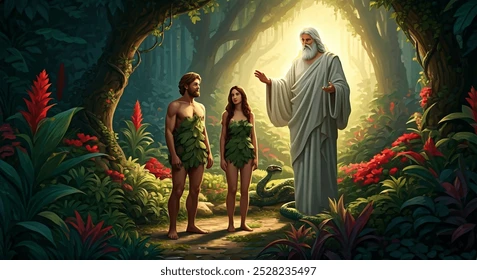
The fallout was immediate and devastating. Shame. Separation. Death. The very fabric of creation groaned under the weight of disobedience (Romans 8:22). Yet, in the same breath of judgment, God whispered redemption. The promise of a Savior—the offspring who would crush the serpent’s head (Genesis 3:15)—was already in motion.
So yes, the forbidden tree was a test. But even more, it was part of a greater story—a divine setup for grace. For where Adam failed, Christ triumphed. In a garden, man broke trust. And in another garden—Gethsemane—Christ would say, “Not my will, but Yours be done” (Luke 22:42).
The forbidden tree tested obedience, but it also paved the way for the Tree of Life—restored not by man’s effort, but by God’s mercy.
*Cover Photo/Thumbnail Photo from bibleart.com
RELATED ARTICLES

Luoyang charts a new path for safeguarding archaeological heritage

PUMA Takes Philippine Ambassadors Behind the Scenes for an Exclusive Meet and Greet with F1 Drivers Charles Leclerc and Lando Norris!

Train Smarter, Understand Your Health Better: HUAWEI WATCH GT 7 Series and HUAWEI WATCH D3 Now Available Starting at PHP 14,999

Lenzing debuts denim “REMOD Collection”, announcing third cohort of TENCEL™ Lyocell – HV100 mill partners at Kingpins Amsterdam

Clockenflap Announces Thrilling First Wave Lineup, Including HAYLEY WILLIAMS, c, SLOWDIVE, MALCOLM TODD, QUEENS OF THE STONE AGE and Many More!

Luoyang charts a new path for safeguarding archaeological heritage