
Sins That Keep You from God’s Kingdom Explained
SHARE
Discover what the Bible says about sins that hinder entry to Heaven and how Christians can respond through faith, prayer, and the gospel.
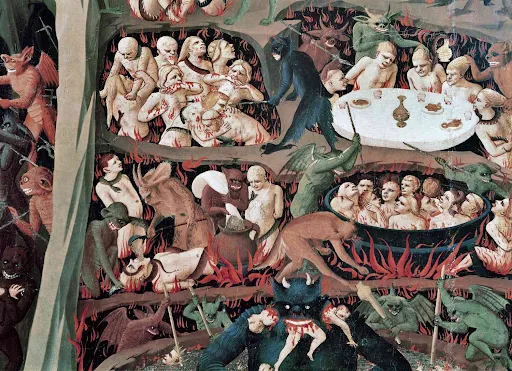
For many Christians, the idea of inheriting the kingdom of God is both a promise and a pursuit. It reflects the hope of Heaven, eternal life, and a restored relationship with God. Yet the Bible also speaks candidly about behaviors and patterns of life that stand in opposition to that inheritance. Rather than inciting fear, these passages invite reflection, calling us to examine their faith, align with the gospel, and grow under the guidance of the Holy Spirit.
What Scripture Clearly Says
One of the most direct passages comes from 1 Corinthians 6:9–10, “Do you not know that the unrighteous will not inherit the kingdom of God? Do not be deceived: neither the sexually immoral… nor idolaters… nor thieves… nor drunkards… will inherit the kingdom of God.”
This list is not arbitrary. It highlights lifestyles that consistently reject God’s authority and moral order. Similarly, Galatians 5:19–21 outlines “the works of the flesh,” including jealousy, anger, and selfish ambition—attitudes that fracture relationships and distance the heart from God.
From a theological standpoint, these verses are less about isolated mistakes and more about persistent patterns. The Bible recognizes human weakness, but it draws a line at unrepentant living. In essence, it is not a single failure that separates someone from God, but a hardened posture that resists transformation.
The Role of Repentance and the Gospel
What often gets overlooked in these discussions is the immediate context of hope. Right after listing these sins, 1 Corinthians 6:11 declares, “And such were some of you. But you were washed, you were sanctified, you were justified in the name of the Lord Jesus.”

This shift is crucial. The message of the gospel is not condemnation—it is redemption. Through Jesus, Christians are offered forgiveness and a new identity. The emphasis moves from who a person was to who they are becoming.
Repentance, then, is not merely about feeling regret. It involves a conscious turning away from sin and a renewed commitment to follow God. It is sustained through prayer, shaped by faith, and strengthened in community within the church. The presence of the Holy Spirit plays a transformative role, enabling Christians to overcome old habits and pursue righteousness.
Living as True Disciples
For modern disciples, this teaching presents both a warning and an invitation. It challenges us to evaluate whether their lives reflect genuine allegiance to Christ or a casual association with Christian identity. Faith is not passive—it is evidenced through action, growth, and obedience.

At the same time, the journey is not about achieving perfection. The Bible consistently points to grace as the foundation of salvation. However, grace is never presented as permission to remain unchanged. Instead, it empowers us to live differently.
Understanding the sins that hinder inheritance of God’s kingdom ultimately leads back to a central truth: transformation is possible. Through Jesus, what once defined a person no longer has the final word. And for those who continue to seek God with sincerity, the promise of Heaven remains not just a distant hope, but a living reality shaped by daily faith.
*Cover Photo/Thumbnail Photo from Learn Religions
RELATED ARTICLES

PUMA Takes Philippine Ambassadors Behind the Scenes for an Exclusive Meet and Greet with F1 Drivers Charles Leclerc and Lando Norris!

Train Smarter, Understand Your Health Better: HUAWEI WATCH GT 7 Series and HUAWEI WATCH D3 Now Available Starting at PHP 14,999

Lenzing debuts denim “REMOD Collection”, announcing third cohort of TENCEL™ Lyocell – HV100 mill partners at Kingpins Amsterdam

Clockenflap Announces Thrilling First Wave Lineup, Including HAYLEY WILLIAMS, c, SLOWDIVE, MALCOLM TODD, QUEENS OF THE STONE AGE and Many More!


PUMA Takes Philippine Ambassadors Behind the Scenes for an Exclusive Meet and Greet with F1 Drivers Charles Leclerc and Lando Norris!
Train Smarter, Understand Your Health Better: HUAWEI WATCH GT 7 Series and HUAWEI WATCH D3 Now Available Starting at PHP 14,999