

Why Catholics Confess Their Sins to a Priest
SHARE
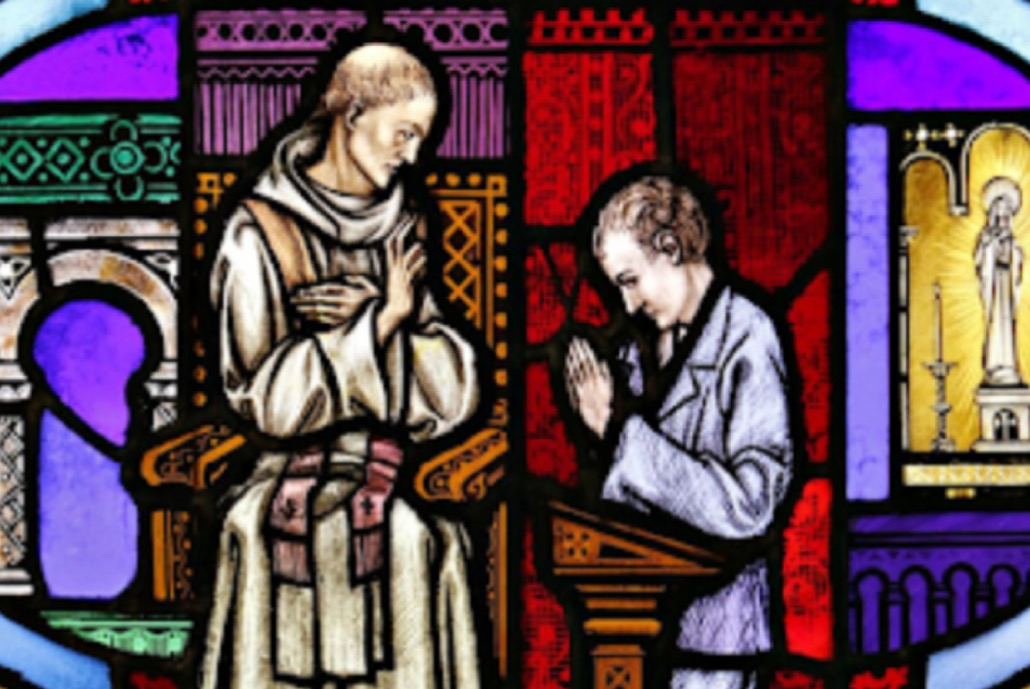
For Catholics around the world, confession—also known as the Sacrament of Reconciliation—is more than a spiritual routine. It is a meaningful tradition rooted in Scripture and sustained by centuries of theological understanding.
While some may question the need to confess to a priest instead of directly to God, the Church holds this sacrament as a vital part of faith and healing. So why exactly do Catholics take this step?

The act of confession is not merely about guilt. It’s about grace. According to Catholic teaching, Jesus granted the apostles the authority to forgive sins in His name. This moment is captured clearly in the Gospel of John 20:22–23, where Jesus says, “Receive the Holy Spirit.
Whose sins you forgive are forgiven them, and whose sins you retain are retained.” That authority, Catholics believe, continues today through ordained priests.

But beyond theology, confession offers something personal—tangible. In the quiet of the confessional, the penitent is not talking into the void. There is a real presence, a listening ear, and a voice that assures forgiveness.
That human connection is crucial. It makes the mercy of God feel immediate, intimate, and deeply real.

At its core, this sacrament is about reconciliation—not just with God, but with the Church and with oneself. Every sin has a ripple effect. It distances us from the divine, but it also damages relationships and our inner peace. Confession serves as a reset, a way to restore what was broken and to walk forward with a clean slate.
Much like a well-designed garment that drapes perfectly, confession brings spiritual alignment. There’s a sense of structure and relief. It’s a moment when the weight lifts, and clarity returns. And just as fashion reflects beauty through intentional design, the sacrament reflects grace through intentional surrender.

There’s also the wisdom of accountability. Confessing to a priest, who stands in the person of Christ, brings spiritual guidance. Often, the priest offers insight, encouragement, and penance that invites reflection. It’s not punishment—it’s a way forward, tailored to the soul’s unique needs.

For many, the confessional becomes a sacred space of growth. It isn’t about shame. It’s about freedom. A place where honesty is met not with judgment, but with love. And in a world constantly in motion, confession offers a pause. A breath. A reminder that renewal is always possible.

Whether it’s once a year or once a month, Catholics turn to this sacrament because it changes something—internally and eternally. The experience is both humbling and empowering. Just like slipping into a carefully crafted ensemble, there’s a quiet confidence that follows. Grace fits. And through confession, it’s given freely.
*Cover Photo/Thumbnail Photo from substack.com
RELATED ARTICLES

JULIEN’S AUCTIONS ANNOUNCES “PAUL REUBENS’ BIG AUCTION”

Smarter Sports and Health on Your Wrist: HUAWEI WATCH GT 7 Series and HUAWEI WATCH D3 Now Available for Pre-Order Starting at PHP 14,999

CRUNCHYROLL EXPANDS ITS ONE PIECE CATALOG ACROSS SOUTHEAST ASIA

CRUNCHYROLL REVEALS “SEKIRO: NO DEFEAT” WILL STREAM WEEKLY AS A SERIES BEGINNING JANUARY 2027