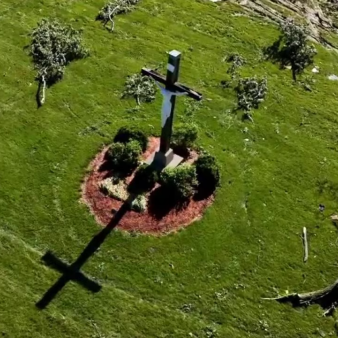

Jesus and Beelzebul: When Truth Was Questioned

SHARE
This powerful story shows how people misjudged Jesus—and what it means for faith, truth, and the Holy Spirit today.
The story of Jesus and Beelzebul, found in the Bible (Matthew 12:22–32; Luke 11:14–23), captures a tense moment in His ministry. After healing a demon-possessed man, Jesus was accused by religious leaders of casting out demons by the power of Beelzebul—the prince of demons. This accusation was not just skepticism; it was a deliberate misinterpretation of God’s work.
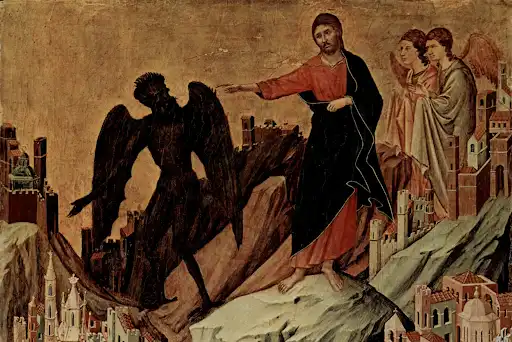
Jesus responds with logic and spiritual clarity, it states in Matthew 12:25, “Every kingdom divided against itself is laid waste”. His argument reveals that evil cannot undermine itself. If His works bring restoration and freedom, they cannot originate from darkness. This moment challenges readers to think critically about how they discern truth, especially when confronted with unfamiliar or uncomfortable displays of God’s power.
For Christians today, this passage highlights the importance of spiritual discernment. Not everything that challenges our expectations is wrong. Sometimes, resistance to truth comes not from lack of evidence, but from hardened hearts.
The Role of the Holy Spirit
One of the most sobering lessons from this story is Jesus’ warning about blasphemy against the Holy Spirit. He says, in Matthew 12:32, “Whoever speaks against the Holy Spirit will not be forgiven.” This statement can feel unsettling, but within context, it points to a persistent rejection of God’s truth.
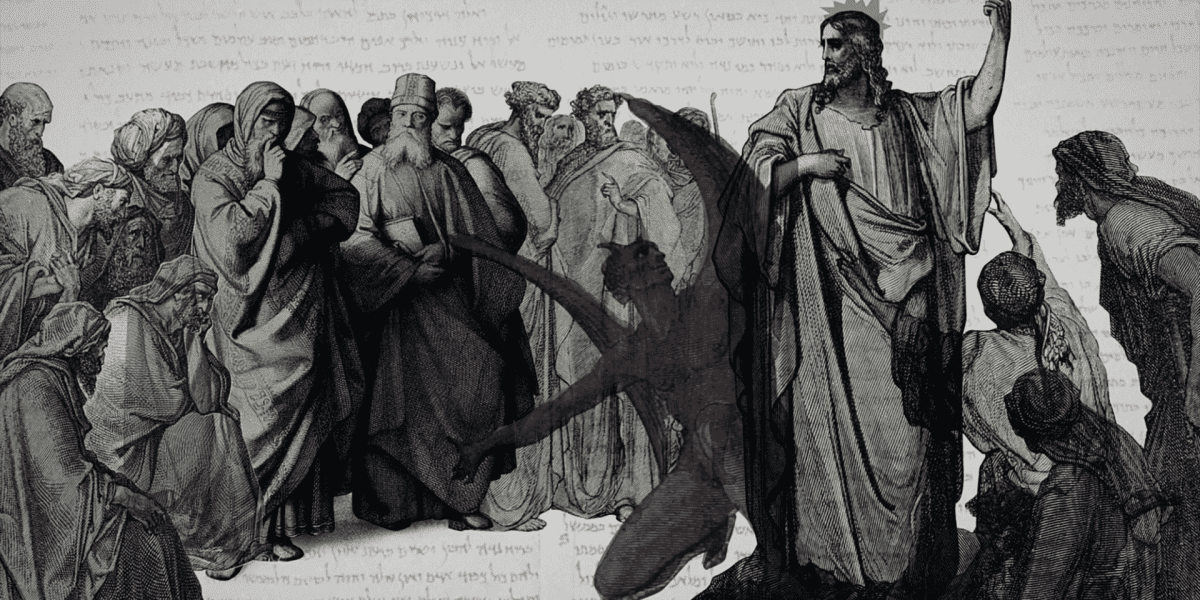
The religious leaders witnessed undeniable signs—healing, deliverance, restoration—yet attributed them to evil. This was not ignorance; it was willful denial. The warning, then, is not about a single mistake, but about a hardened posture that continually resists the work of God.
In a modern church context, this calls us to remain open and sensitive to the leading of the Holy Spirit. Faith is not just about belief but about recognition—seeing God’s hand at work and responding with humility rather than suspicion.
Choosing Alignment with Truth
Jesus concludes with a clear statement in Luke 11:23, “Whoever is not with me is against me, and whoever does not gather with me scatters.” There is no neutral ground in matters of faith. This challenges the idea that one can remain indifferent to the gospel.
The story ultimately invites reflection. Are we aligning ourselves with truth, or resisting it when it disrupts our assumptions? In the context of Israel at the time, many expected a certain kind of Messiah. When Jesus did not fit that mold, some rejected Him outright. The same tension can exist today when God works in ways we do not anticipate.
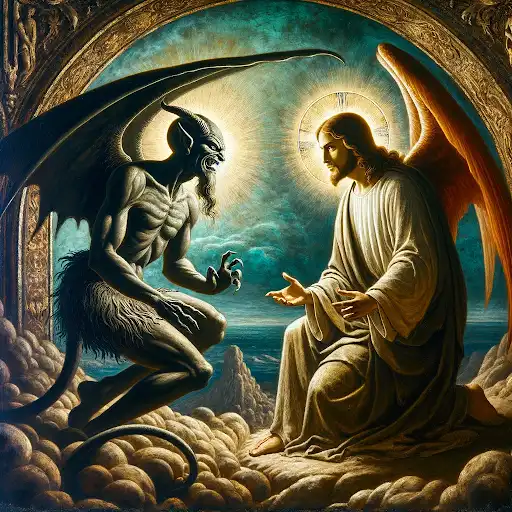
For Christians, the lesson is both cautionary and encouraging. God’s work may not always look familiar, but it will always bear good fruit. Recognizing that fruit requires openness, humility, and a grounded understanding of the Scripture.
In the end, this account is not just about accusation—it is about revelation. It reveals the nature of spiritual conflict, the authority of Jesus, and the responsibility of every Christian to respond rightly. Through it, we are reminded that truth is not merely something to observe, but something to embrace with conviction.
*Cover Photo/Thumbnail Photo From rainbowrevreflexions.co.uk/
RELATED ARTICLES

COVERAGE: James Reid lets his guard down on third studio album, Honey, I’m Home

Discover More Ways of Getting Work Done with the World’s Best Screen and PC-Level, AI-Powered Productivity on the Ultra-Thin HUAWEI MatePad Air, Available for Pre-Order

SSS-CLASS REVIVAL HUNTER ANIME ADAPTATION ANNOUNCED FOR JANUARY 2027

What to See, Eat, and Drink Around Hong Kong’s Old Town Central

The World’s Best Screen is Coming with PC-Like AI Productivity on an Ultra-Thin Device: the New HUAWEI MatePad Air Launches in the Philippines This September 11

COVERAGE: James Reid lets his guard down on third studio album, Honey, I’m Home